St. Augustine
strong man
Written by Mark Mcleod
Photographed by Chloee Blair
Written by Mark Mcleod
Photographed by Chloee Blair
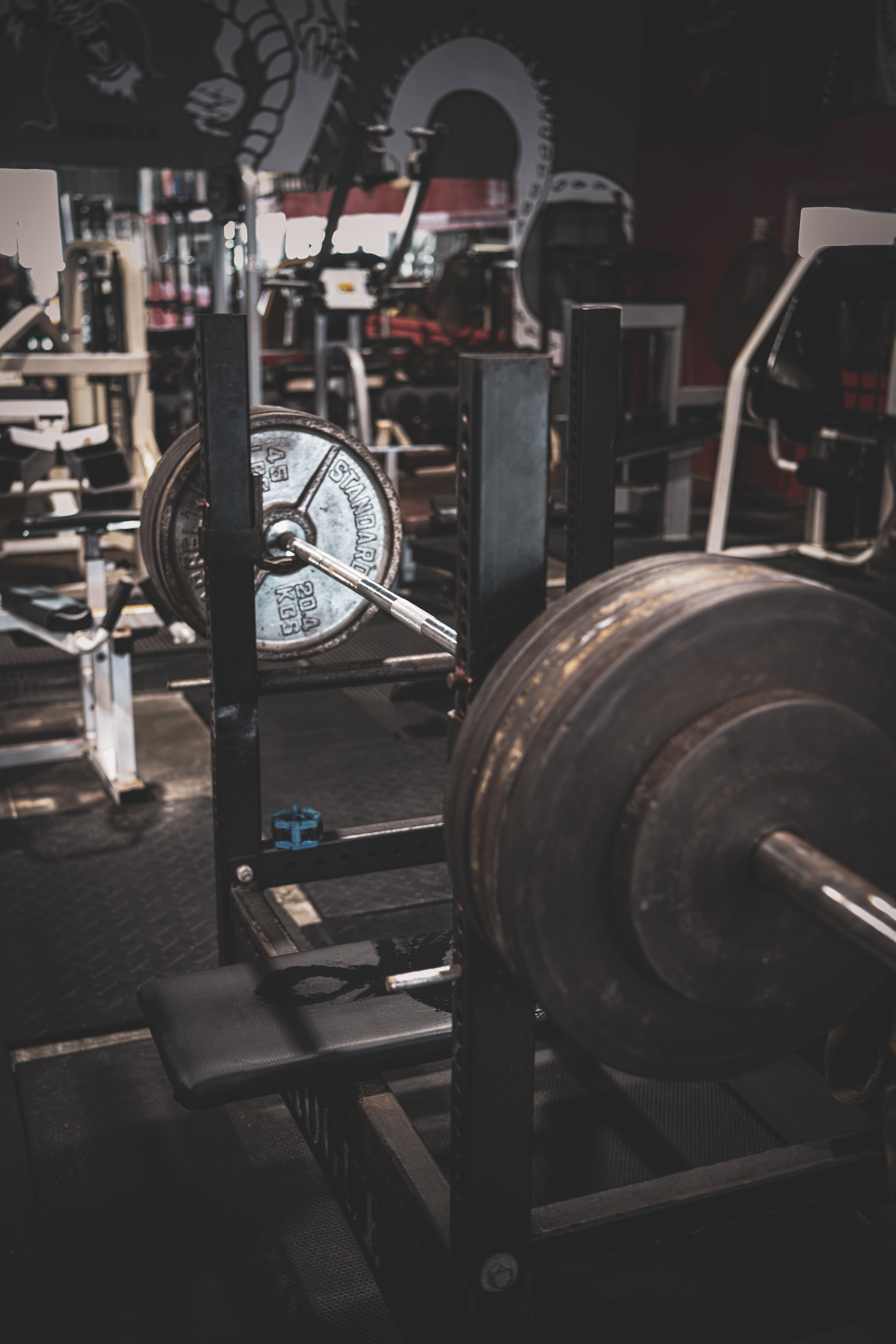
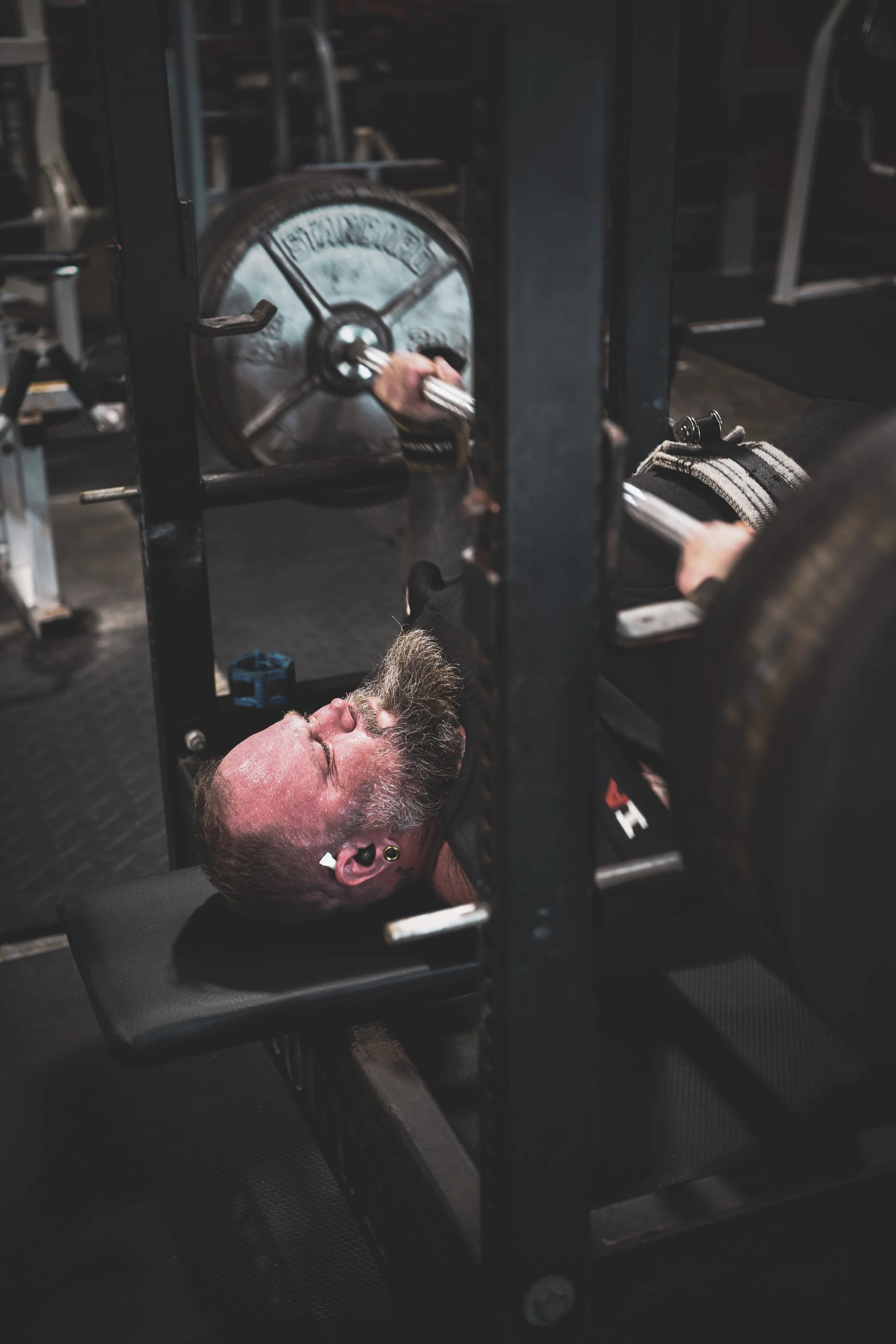
Picture the archetype: a massive, barrel-chested man - built like a 1960’s refrigerator, BMI be damned - groaning over a bar loaded with hundreds of pounds of iron weights. Chalk dusts his calloused hands as he carefully positions himself over the weight, veins bulging, turning “gym face”- a beet-red shade that perfectly captures the intensity of the moment. With a guttural roar that rattles the plates, he explodes upward, with iron ever so slightly bending as if protesting its own existence. This is the image most people conjure when they hear “powerlifting” - a niche spectacle of brute strength reserved for giants who look like they’ve never met a kale smoothie.
The snapshot described barely scratches the surface of a sport that’s far more accessible, diverse and transformative than its stereotype suggests. Powerlifting is far more than a heavyweight sideshow. At its core, it’s a pure expression of raw strength - built around the squat, bench press and deadlift - that elite athletes across various disciplines have embraced to unlock explosive power without sacrificing the qualities that define their sports. The truth is the same foundational lifts and strength-training principles at the heart of powerlifting also serve million-dollar athletes, middle-aged fitness phenoms and older adults looking to maintain strength and mobility.
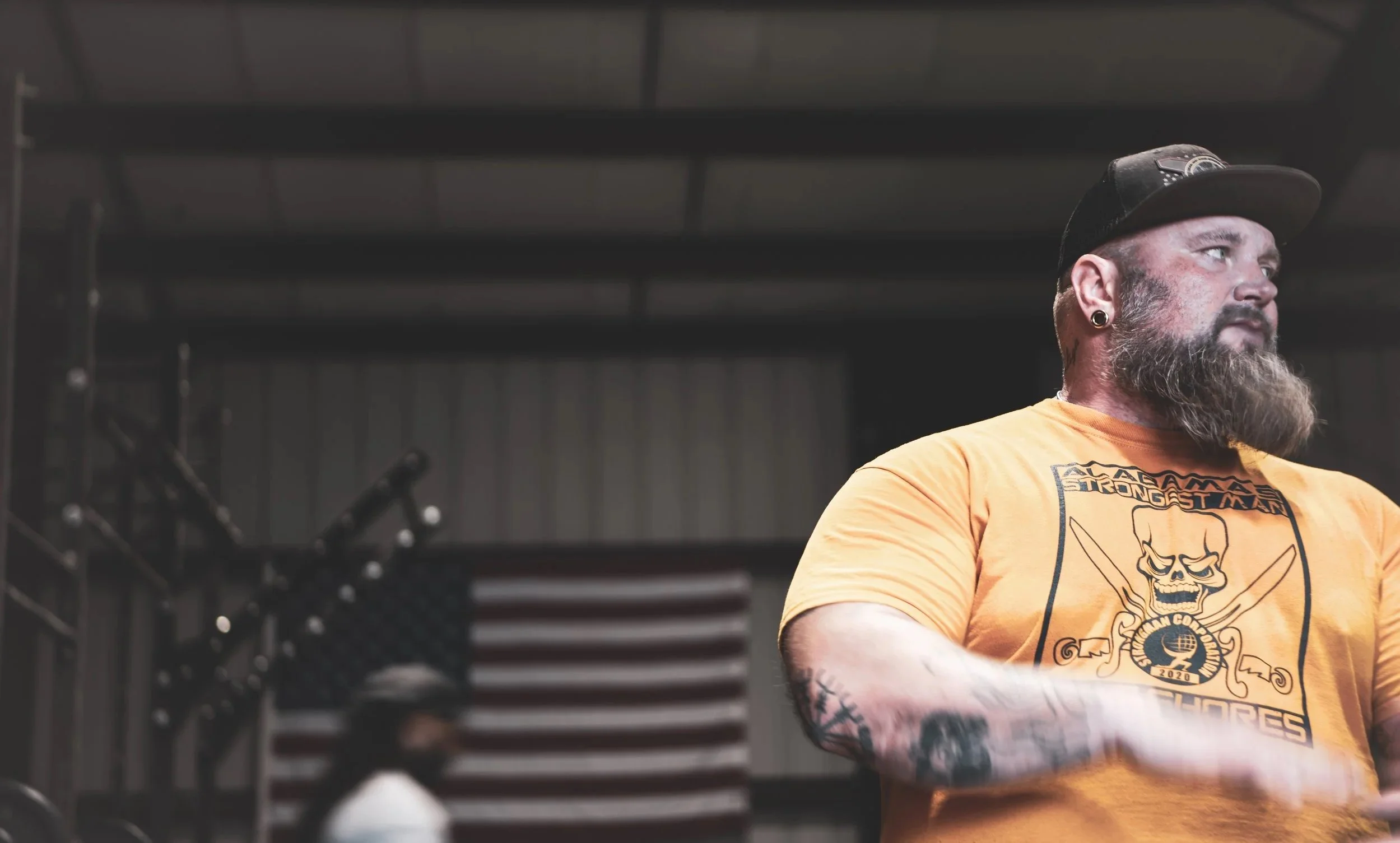
Justin Thomas, a strength athlete and coach, knows firsthand how often people confuse the sport of powerlifting with the broader topic of strength training.
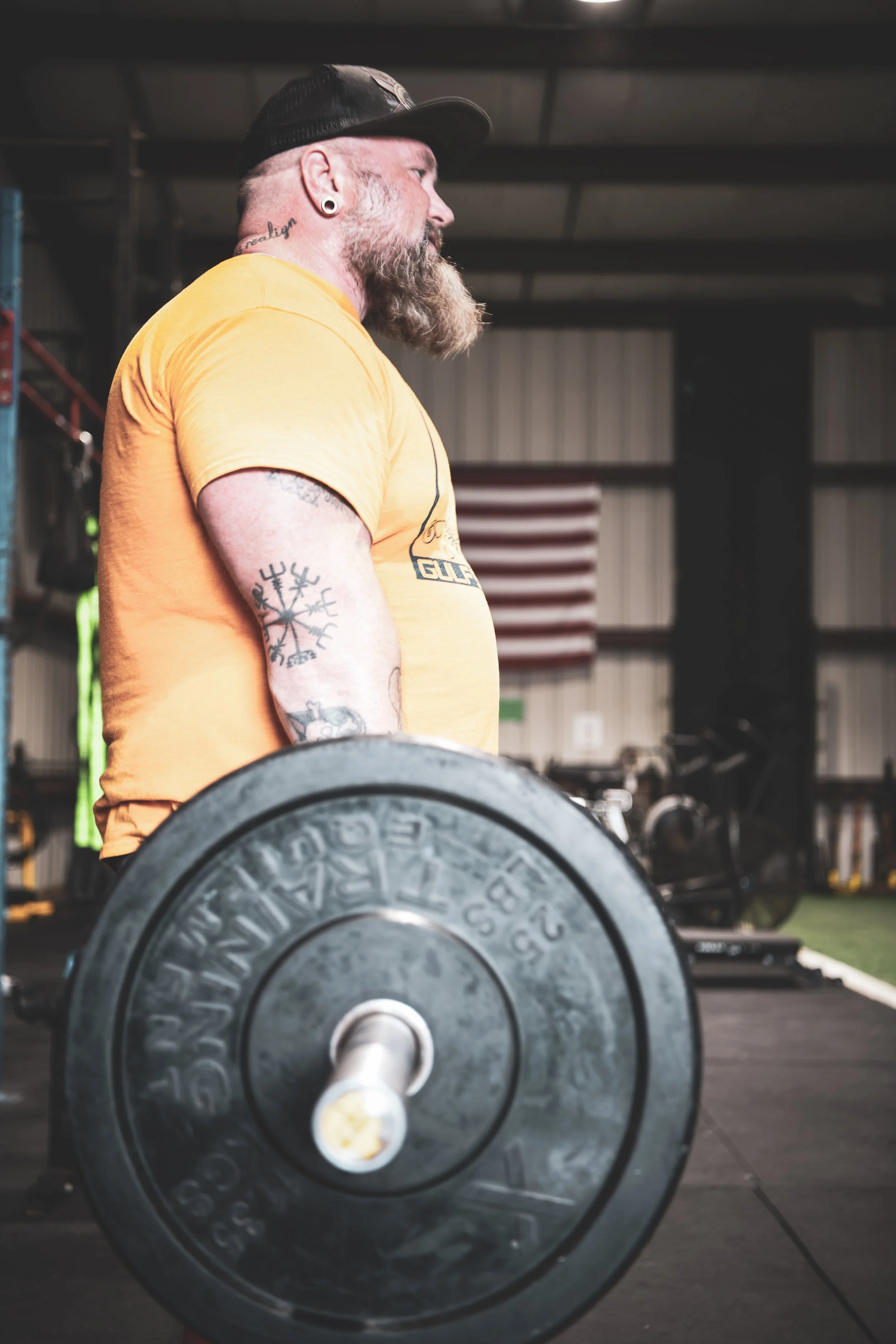
“I think we have to make a careful distinction,” Thomas said. “First is competitive powerlifting. That is three attempts at performing a squat, bench and deadlift in competition under a specific rule set to get the highest total based on your best in each lift. There’s a deep and rich history in the sport, and it absolutely shares some of the same benefits, but it is a niche. The second part is taking those three lifts (squat, bench and deadlift) as well as other compound barbell lifts, and leveraging them as tools to harden our bodies, making them anti-fragile and enhancing our quality of life well into our 70’s, 80’s and beyond.”
Olympic gymnasts use carefully designed strength training regimens to build the leg, hip and shoulder strength needed for gravity-defying routines to preserve their trademark flexibility. NFL linemen and skill players alike turn to it to generate the force required to physically dominate opponents. Martial artists and combat athletes integrate it to develop knockout power and the ability to absorb and deliver punishment round after round. What looks like simple brute force on the platform fuels precision, speed and resilience in elite athletes regardless of sport.
Thomas, 47, owns 904 Strength Club, where he shares his vast knowledge of personal training. He got his start in the weight room the way so many of his generation did- watching Arnold Schwarzenegger in ”Conan, the Barbarian” when he was six or seven years old. His older cousin introduced him to lifting shortly afterward, but his interest really took off when he began competing in high school sports.
Today, Thomas’ approach to strength training is rooted in experience and education. He holds a degree in chemical engineering and is known for bringing an analytical mindset to the gym.
As a coach, Thomas says prospective clients often come to him with similar questions. Two of the biggest concerns people raise are whether strength training will reduce flexibility and whether it will help them achieve their lifestyle or fitness goals.
“On this, the science is fairly monolithic - strength and resistance training leads to greater vitality, retention of bone density, satisfaction and a massive reduction in all-cause mortality,” Thomas said. “Young parents want to be able to keep up with their kids; strength training does that. People want to feel good about going to the beach and taking their shirt off, or looking good for their spouse; strength training does that, too. Whether it’s preserving bone density or just feeling capable in your own skin, lifting weights is a very direct path.”
“For the vast majority of our population, including non-strength athletes, this is the framework I’d offer - push, pull, squat, hinge, weighted carry, ground up and rotation,” he added. “Fulfilling these demands with compound, multi-joint barbell exercises is a great way to build anti-fragility. At nearly 47 years old, I live and move relatively pain-free after years of competing, setting multiple lifting records and redlining it. I know people 10 years younger than me who’ve not pushed their bodies nearly as hard and can’t say the same.”
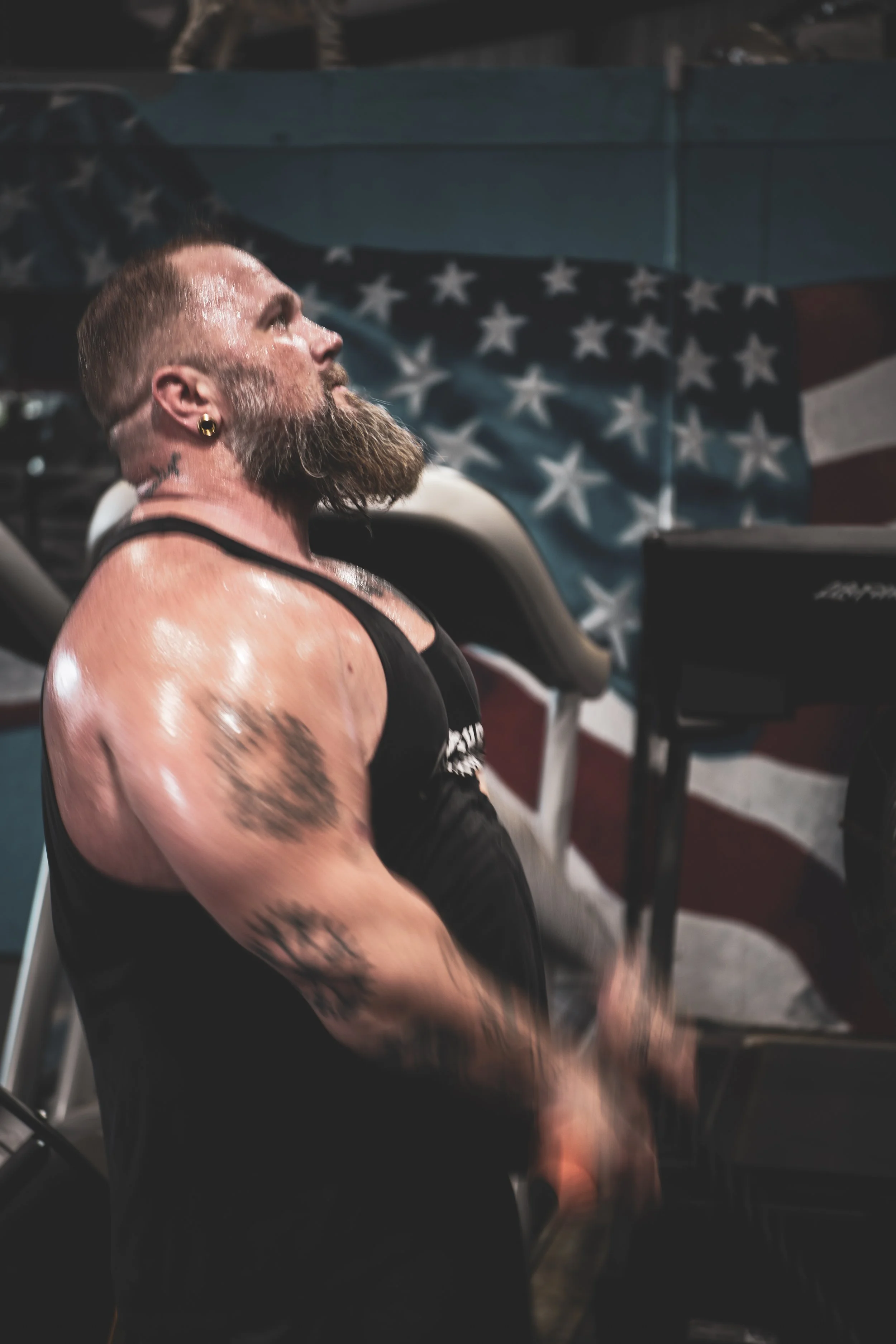
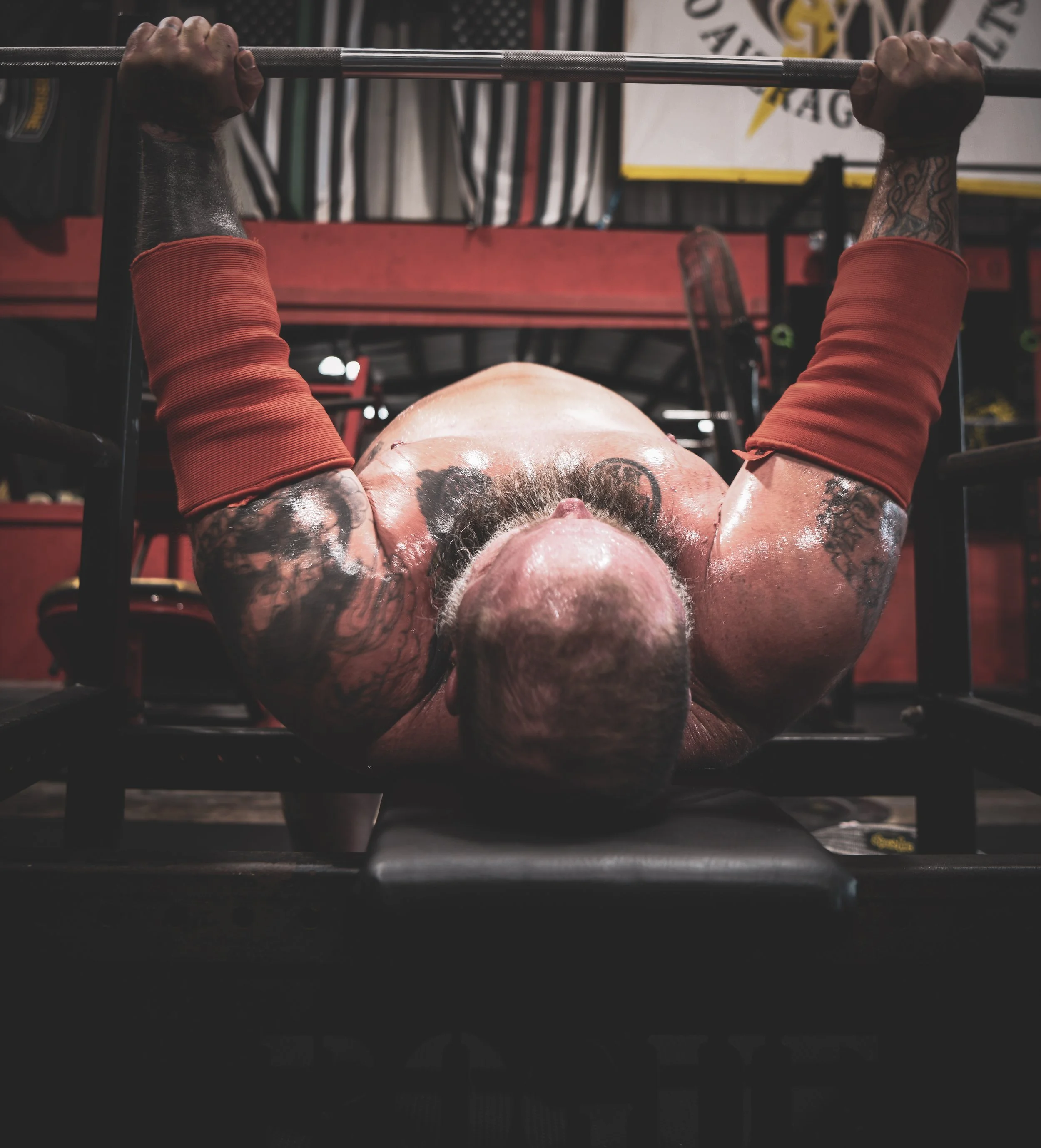
Abigail Hermes and Sophia Burnham - two ladies on very different and rather unique fitness paths - recently trained under Thomas’ tutelage.
Hermes, 37, is a married mother of five who began working out in the Burn Boot Camp when she was seven months pregnant with her youngest child. She immediately embraced it and was back just one day after her doctor cleared her for exercise. One would think that juggling a full life with five children, marriage and household management would leave zero time for exercise, but she refuses to surrender her attempts to work out.
Burnham, 24, began working out in local gyms in 2022 and has spent the past two years training in Muay Thai at Ancient City Martial Arts. She never participated in a team or individual sport growing up, but that didn’t stop her from embracing combat sports. In mid-January, Burnham accepted a late invitation to participate in St. John’s County Fight Night for the St. John’s County Fire Department. She had no boxing experience and only five weeks to prepare. Burnham logged hours of additional training in the weeks leading up to the event, and that hard work paid off. She scored a unanimous decision over St. John’s County Sheriff’s deputy Kiara Tolbert.
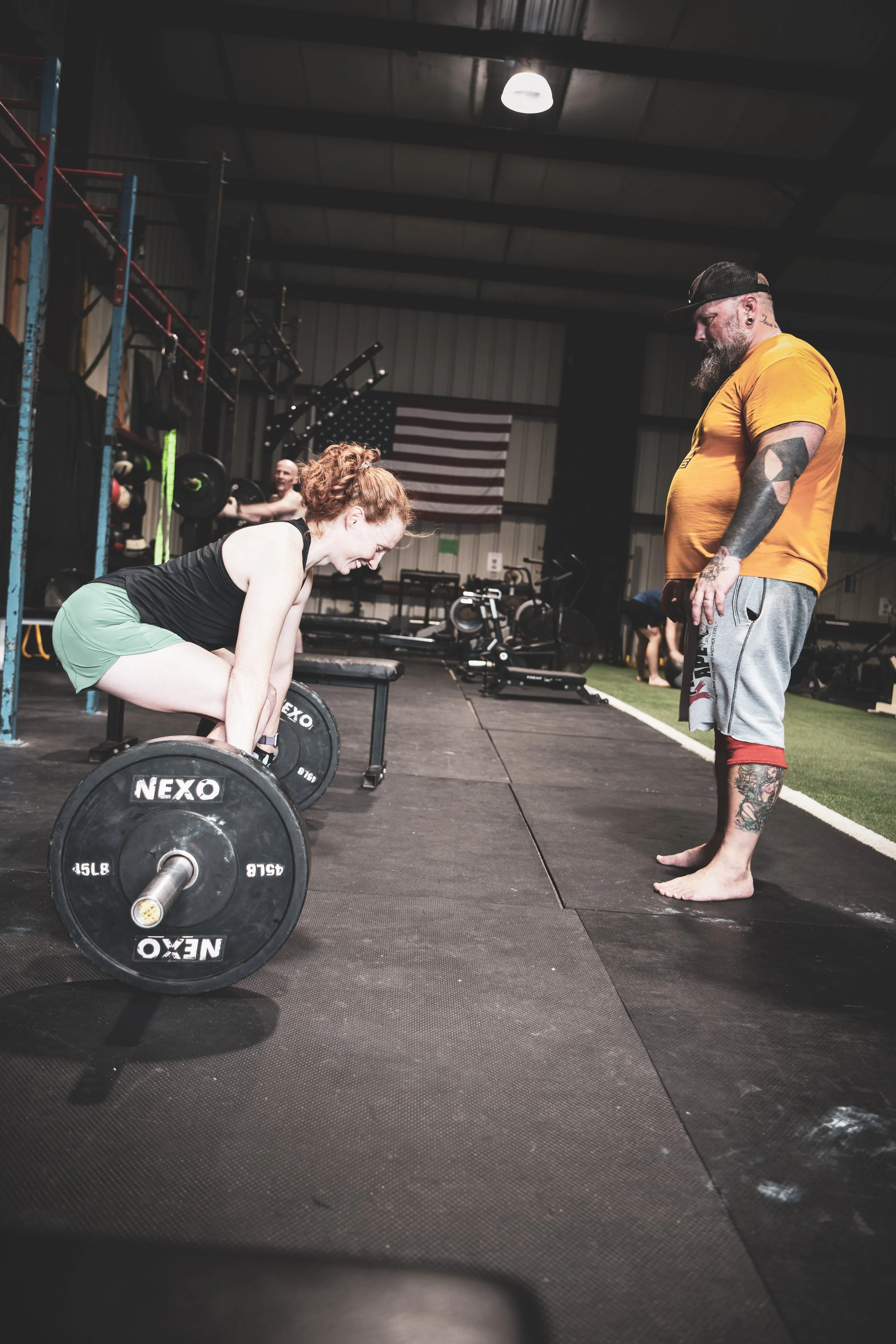
During their training session, Thomas carefully described how he would individualize their workouts to fit their specific training needs. The word “personalization” has become ubiquitous marketing language in the fitness industry, but actual delivery is surprisingly rare. Too often personal trainers make a small tweak here or there, but stay in their comfort zone.
Thomas listened carefully as the women discussed their routines and goals. Then, during the workout, he highlighted two contrasting programs that would better emphasize their respective objectives.
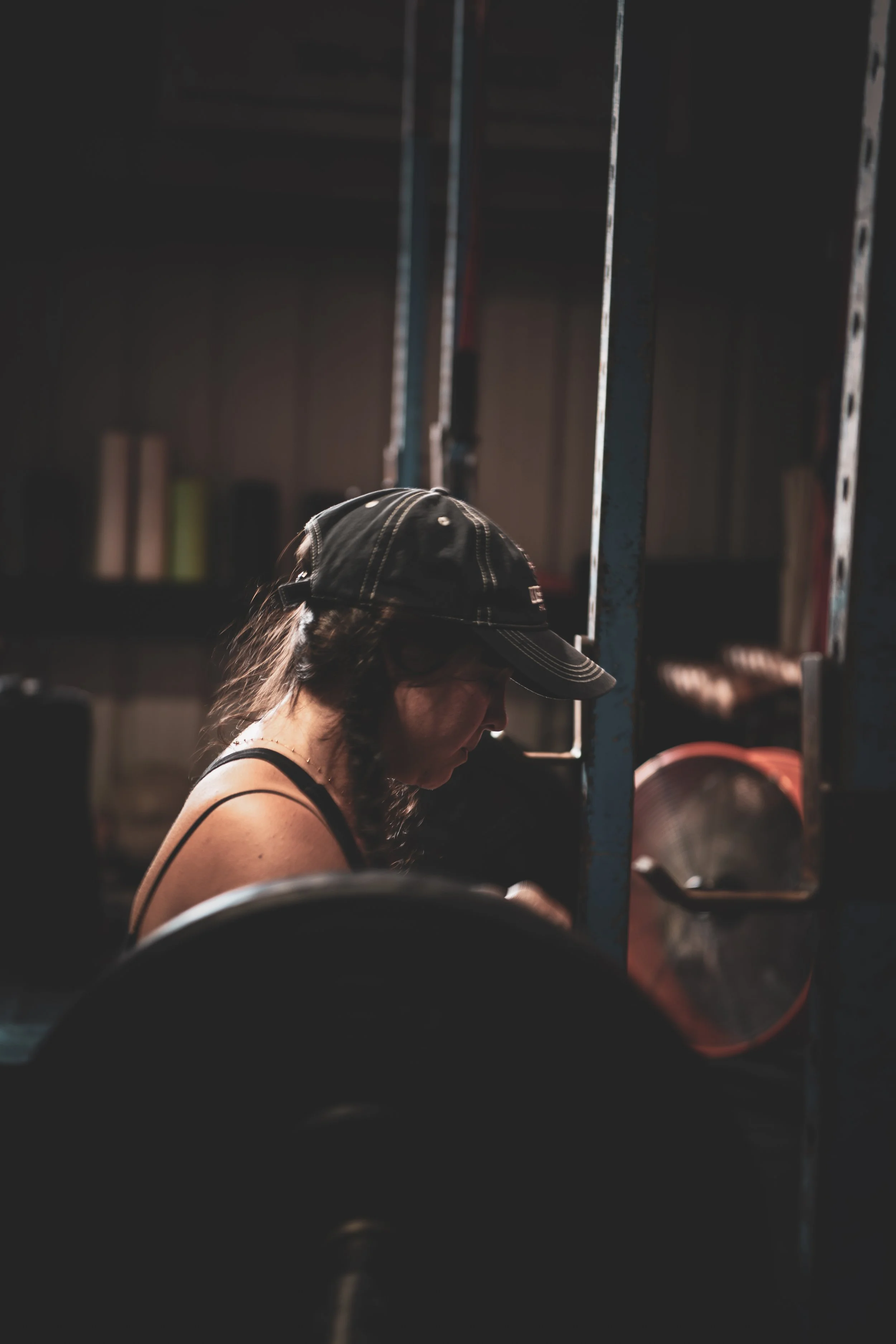
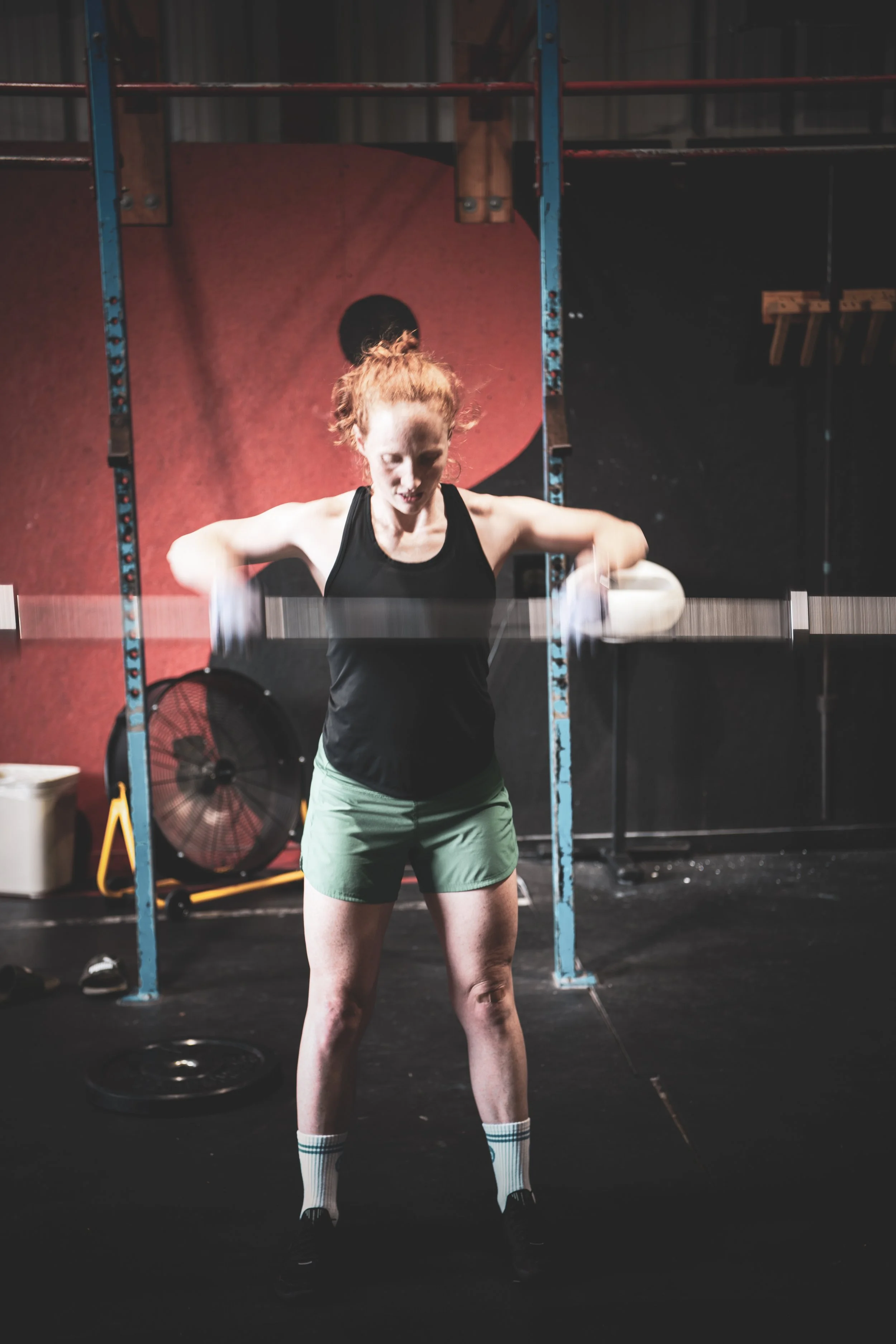
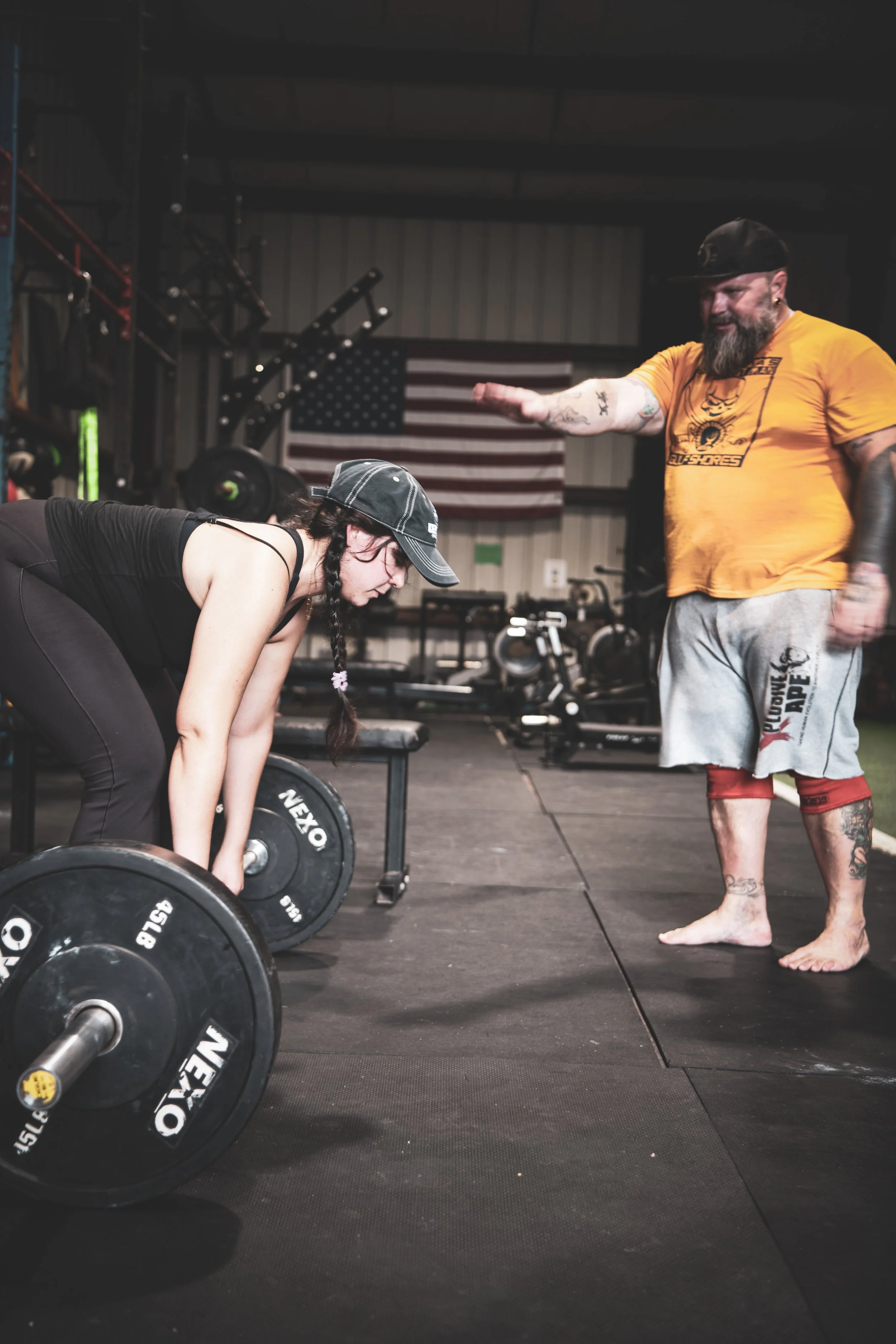
“Justin told me for combat athletes that you have to do strength training for explosive power,” Burnham said. “So, higher repetitions and more sets, but with a lighter weight. It’s not lifting the heaviest weight. It’s functional strength training that’s movement-based. We did two kettlebell lifts, and we also did Russian twists with the kettlebell. Those are exercises that…translate [well to] combat sports.”
Burnham says the Farmer’s Carry is another exercise she uses in her workouts to strengthen her core and aid in combat sports. Thomas agreed, noting that it’s great for working many upper and lower body muscles.
Thomas’ recommendations for Hermes were focused more on injury prevention.
“The deadlift that I did with Justin was something I’d never really done with a bar before, and we actually tried it the next day at the gym with free weights,” Hermes said. “I did much better because I lined up the weights over my feet like he demonstrated. Normally, deadlifts make my lower back hurt, and I’ve asked trainers before what I was doing wrong, but they couldn’t pinpoint it. Justin helped me understand the movement, and I was able to lift heavier without any back pain.”
In addition to building muscle, many people wonder whether strength training can support health and independence as they age.
A 30-year analysis from Harvard researchers involving 147,374 middle-aged and older adults found that participants who completed 90-119 minutes of weekly resistance training were 13% less likely to die during the study than those who performed no strength training. Weekly resistance training was also associated with a lower risk of dying from neurological diseases, such as dementia, and cardiovascular disease.
Fitness Research Director Dr. Wayne L. Westcott has also cited research showing that resistance training can improve physical performance, functional independence, cognitive health, self-esteem, bone density and management of conditions such as diabetes, high cholesterol and high blood pressure.
Thomas says it’s never too late to begin strength training. While Hermes and Burnham were both very active growing up, they only fully began to embrace weight training as adults. Thomas says the key to starting a training regimen isn’t pushing yourself to do as much as possible right away, but instead, building habits that last over time.
“I have 5-day-a-week programs available, but if you’re currently only training once every two to three months, jumping into 5 days a week will just compound failure,” Thomas said. “Your joints and connective tissue will feel like garbage, your life will get busier and you’ll quit, all over a program that was way more intense than what your goals actually demanded.”
That’s why it’s so important to start small and focus on consistency.
“A majority of people will be thrilled with what they can achieve in 2 days a week, and we want to keep the entry threshold low,” Thomas said. “Success breeds success. If you like training Monday and Thursday, but this week you have a meeting Thursday you can’t miss, just do Wednesday or Friday instead. Or Saturday. The point is we build consistency, see results and reinforce habits rather than setting someone up for failure”
For Thomas, the value of strength training isn’t measured by how much someone can lift. It’s about helping people stay confident and capable in everything they do.
“[Strength training] allows people to keep their independence longer,” Thomas said. “When we look at our aging population, maintaining independence, quality of life and resilience from injury are the ultimate goals. Strength training delivers on that.”
For Thomas’ latest, check him out on Instagram at 904 Strength Club.