Written By Jeliel Brown
Photographed By Chloee Blair
Smith Works Studios sits in Uptown St. Augustine, where Herrick Smith and his wife, Laura, have operated a pottery studio and communal third space since 2019.
Smith’s relationship with clay began far earlier. Growing up in St. Augustine, Smith spent much of his childhood outdoors. There were few children nearby, he recalled, so the woods and open spaces surrounding him became his first world of discovery. Among his favorite memories is a four-night kayak camping trip, during which he would come to shape his first piece of pottery, a pinch-pot, made from clay found along the riverbank.
“I let it dry out and put it in the campfire,” Smith described. “I was 14 and didn’t know much about pottery at all!”
Later, he reflected that the act of creating is what drew him in. Smith describes this process as “something approaching worship,” an experience through which a creative person participates by taking raw material and bringing form into being. “I think, at a fundamental level, we as humans are sensitive to that,” he said, “even though we may be unable to put words to it.”
While attending the University of North Florida, he volunteered at St. Augustine’s Colonial Quarter, a living-history museum near the Castillo de San Marcos. There, he worked at the forge three days a week while attending classes on the others. Blacksmithing first taught him the rhythms of heat and timing that would later carry over to ceramics.
“It was a ton of fun,” he said. “Working with such hard materials that became soft when exposed to heat is similar to ceramics in many ways.”
The forge operated as part of a small working economy within the museum. Smith worked alongside a carpenter and a gunsmith to produce objects in front of the museum’s visitors. He still keeps several items from that period, including knives, stitched leather, a wallet and a snakeskin purse he made for Laura.
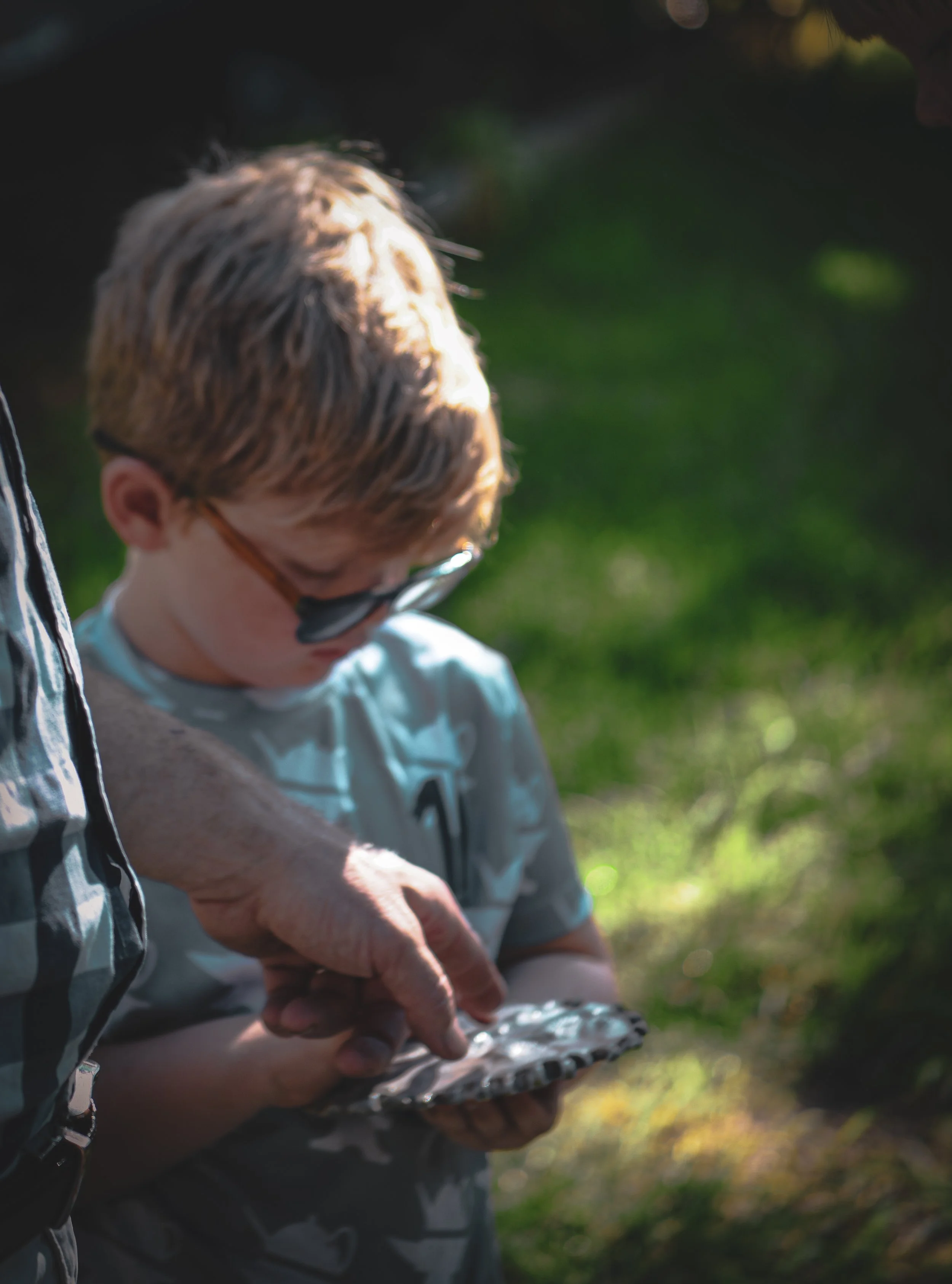

Smith’s academic path, however, didn’t initially point toward art. He entered UNF intending to study biology before switching to economics with an emphasis on environmental science. Ceramics began as a creative reprieve from his coursework.
“At the time, they didn’t even offer a minor in ceramics, so I just took a bunch of electives,” he said.
During his senior year, Smith worked in Washington, D.C., as a congressional aide in the U.S. House of Representatives through a for-credit college program. He remembers it as an “electric” time filled with energy and parties.
“I really enjoyed it, but I was 21 and making 21-year-old choices,” Smith mused. “I had an epiphany and realized that was not a sustainable lifestyle, and I didn’t foresee that being a fulfilling way to earn a living.”
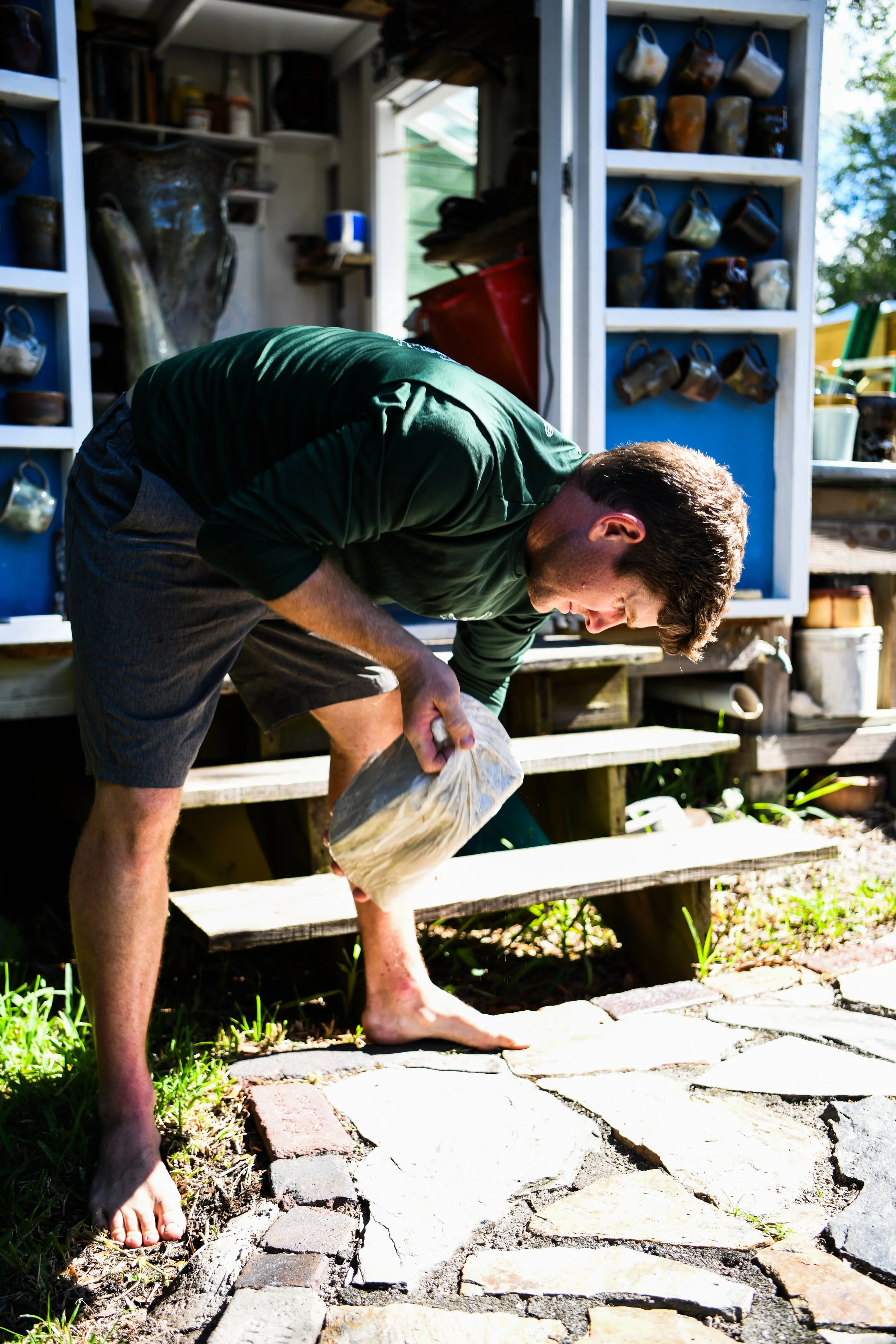
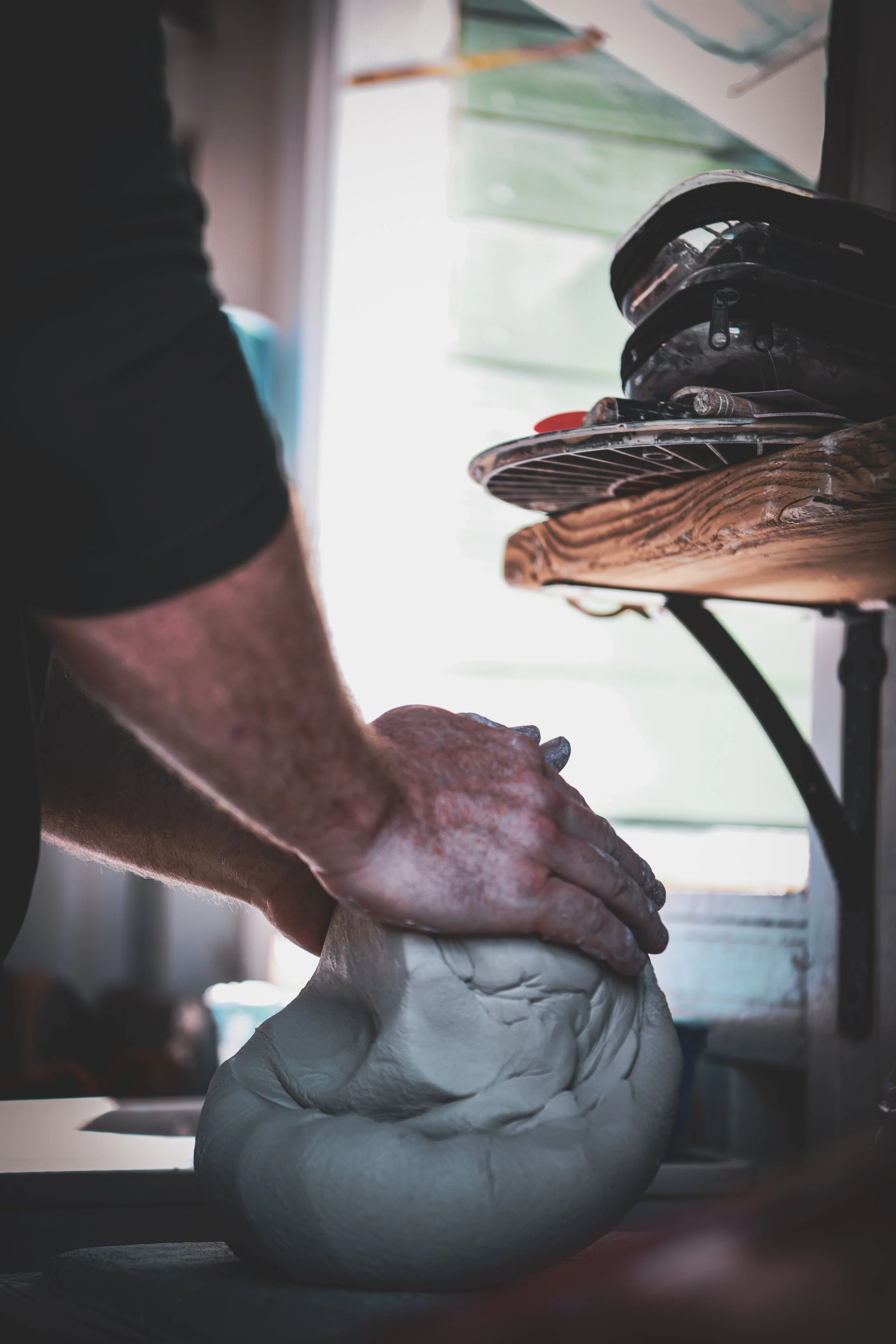
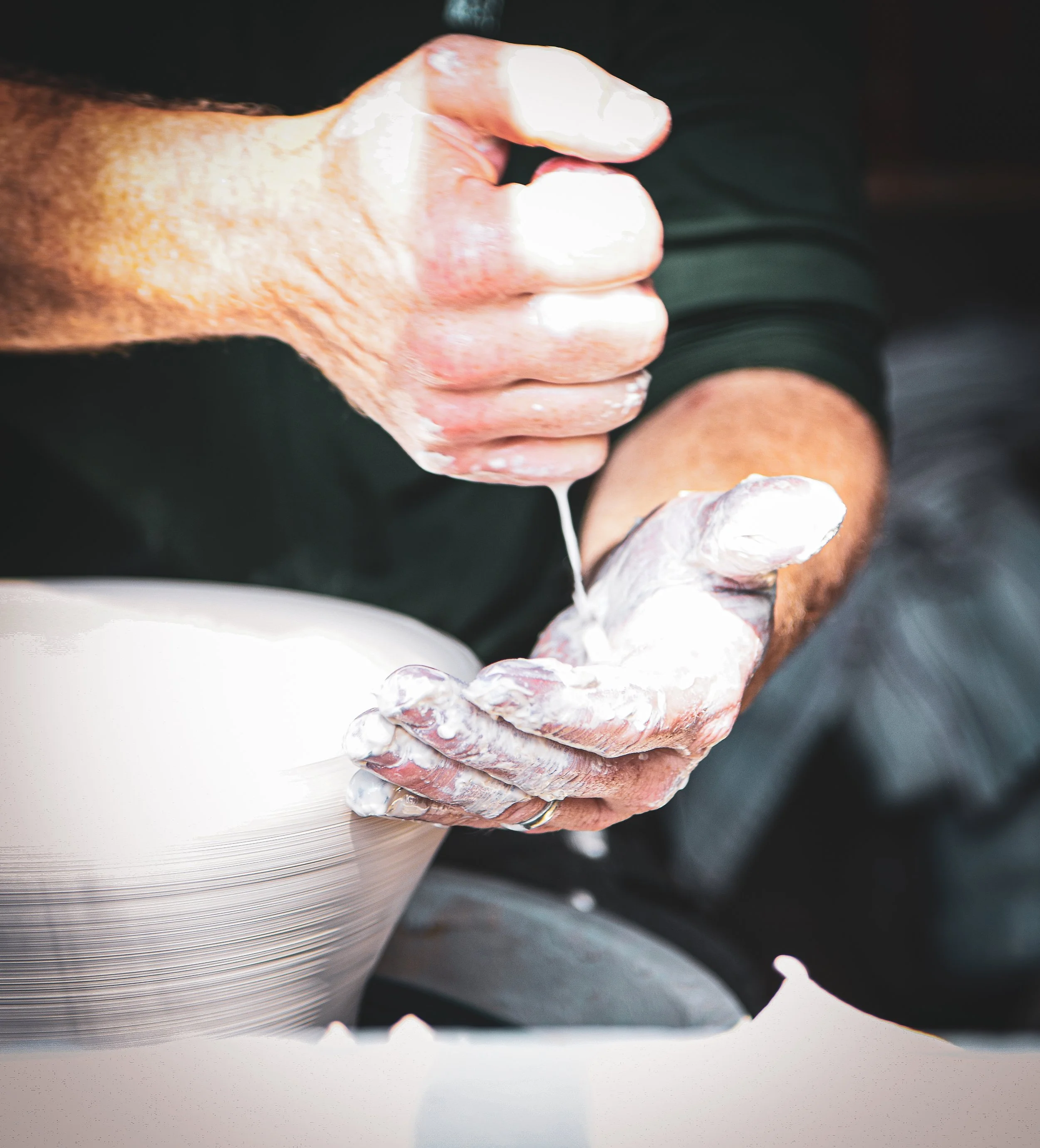
After graduation, he took a year away from school and contacted ceramic artist Danny Meisinger, whom he had met at a conference prior. Meisinger is a professional ceramics artist whose Instagram showcases the methodical craftsmanship that left a profound impact on Smith’s own style.
Smith asked Meisinger if he needed an apprentice, and the answer was yes.
“It was kind of a young man’s manifest destiny type of scenario,” Smith said. “Whatever could fit in the truck came with me, and whatever didn’t fit did not come.”
He moved to Kansas in 2013 and lived with Meisinger, whom he describes as his “art dad.” Smith intended to develop the kind of portfolio he needed for graduate school because he didn’t feel the work he’d produced up to that point was truly show-worthy.
In Fall 2014, he entered the Master of Fine Arts program at Fort Hays State University. Smith’s instructors encouraged him to treat the vessel as a functional object, but he had come from what he called a craft-heavy tradition during his time with Meisinger.
“The idea that the [ceramic] vessel is an object worthy of full conceptual treatment in the same way any sculpture can be is an idea I cling to rather firmly,” Smith said.
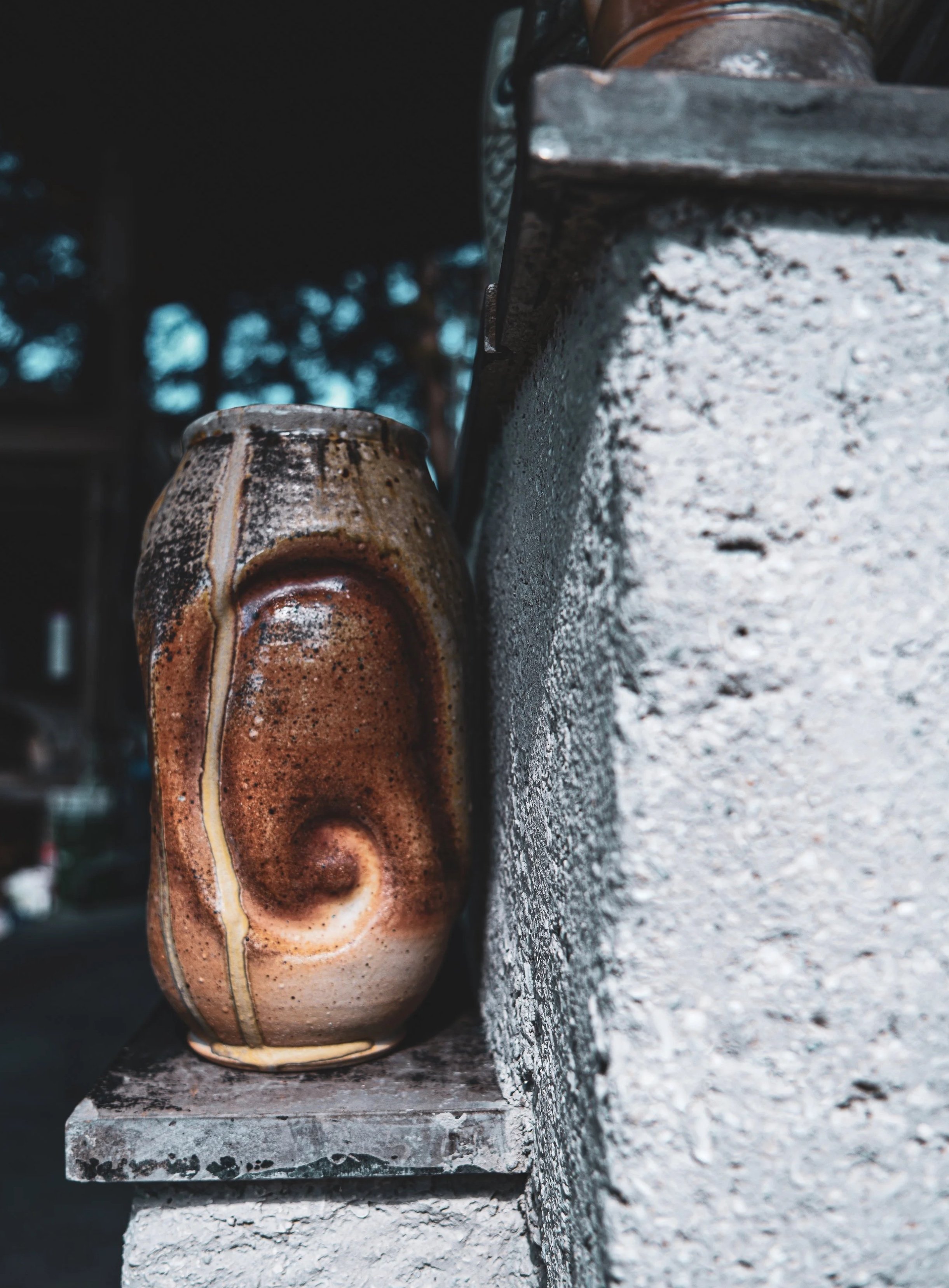
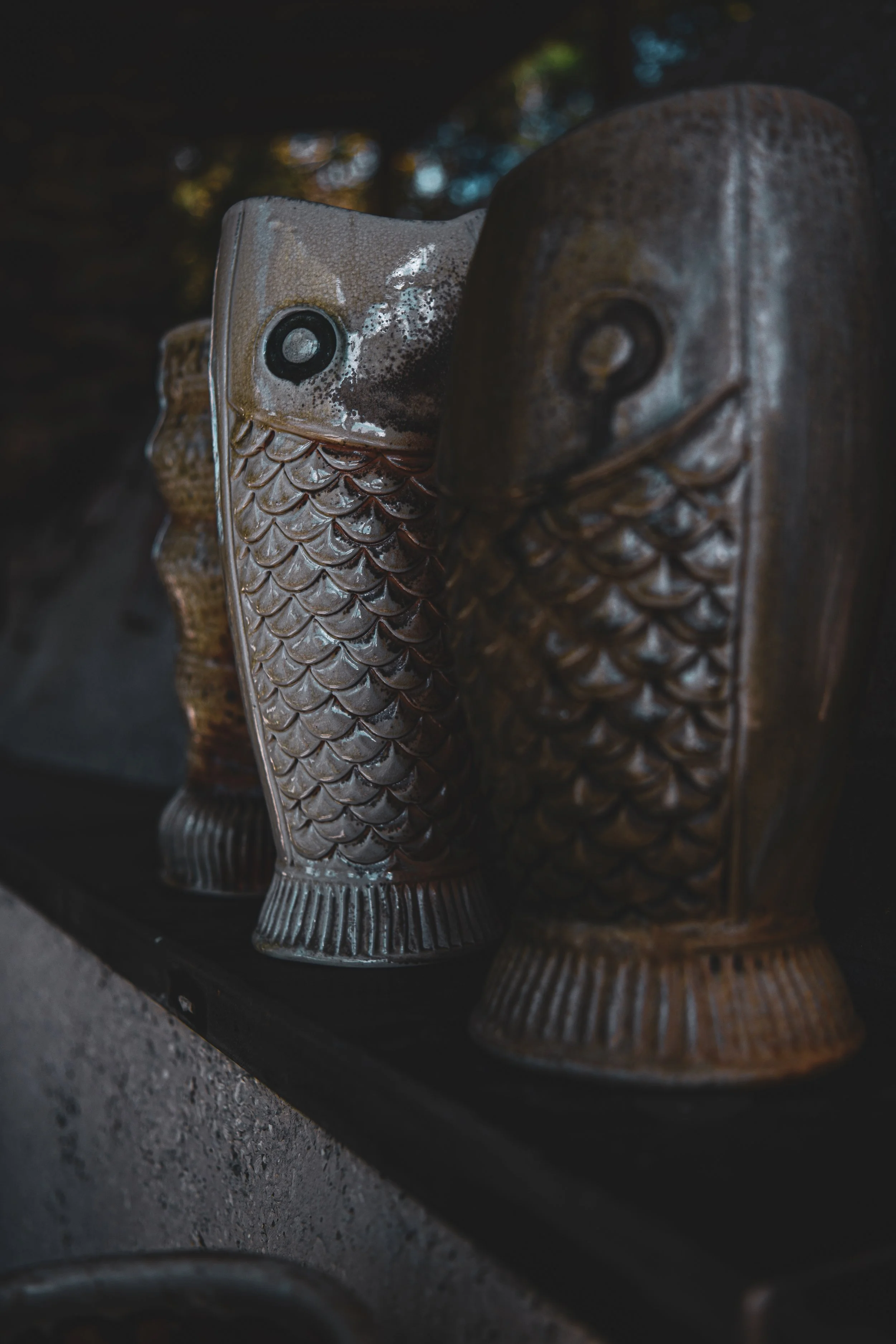
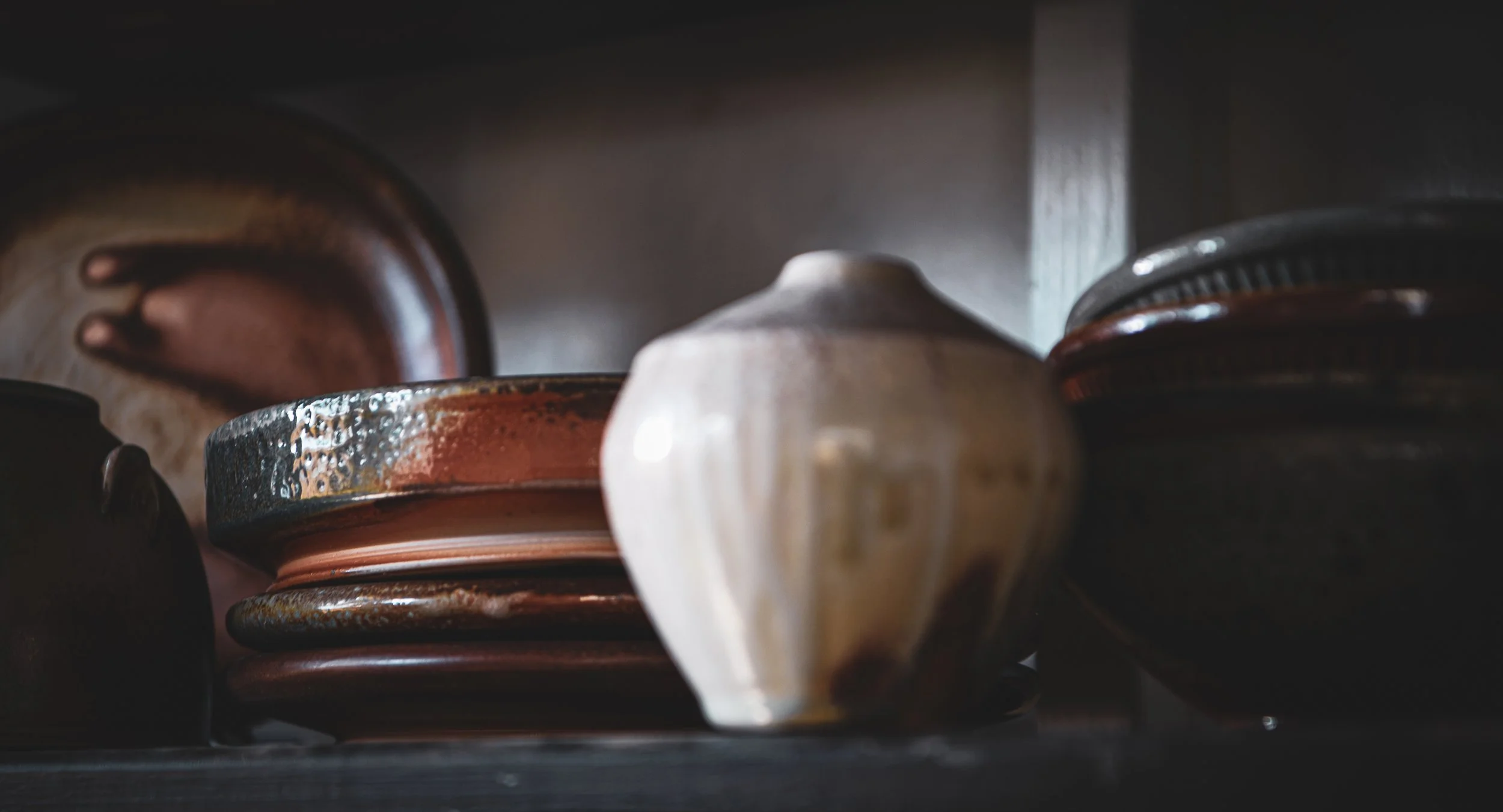
At the same time, Kansas altered his sense of place. An earlier course in environmental ethics had introduced Smith to deep ecology, which posits that humans are a part of natural systems rather than separate from them. Moving from coastal Florida to the parched, sun-baked plains forced him to reconsider what beauty looked like and influenced the direction of his work.
“There were no trees, no moisture, and it was arid and austere,” he said. “I began to appreciate the austerity as a form of beauty.”
Graduate school changed Smith’s life in another lasting way. It was there that he met his wife, Laura, who would later become central to the story of Smith Works Studios. The two first crossed paths in art history class, where Smith noticed her Floridian appearance: shorts, a longboard and shoes that he mistook for heels. Laura’s first-everwords to him were, “they’re not heels; they’re wedges!”
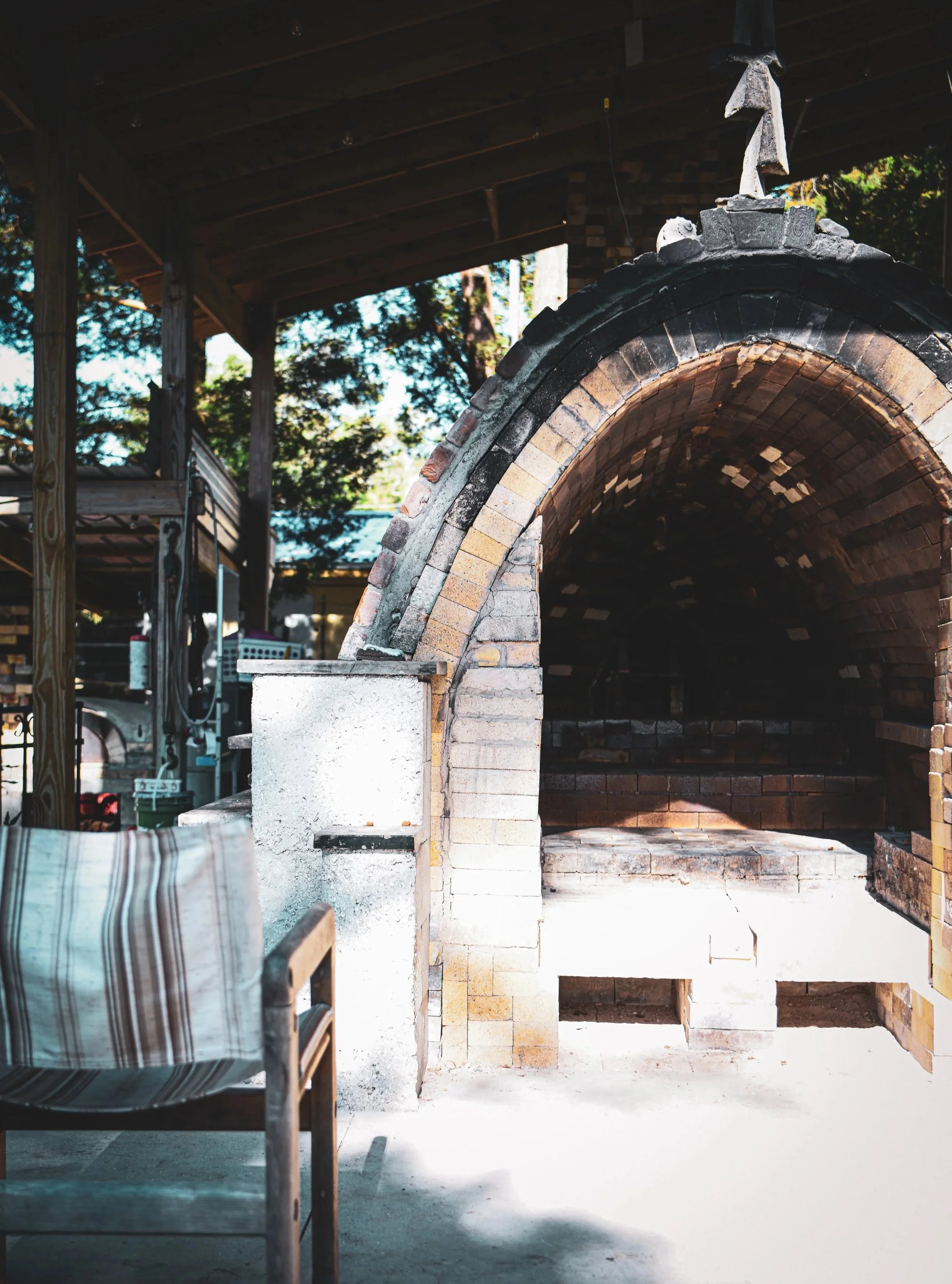
Their shared passion for ceramics eventually grew into a creative partnership. Long before they married, both had imagined owning a kiln of their own. The dream eventually became reality with their “Augagama kiln,” whose name is a portmanteau of St. Augustine and the Japanese words “ana,” meaning cave, and “gama,” meaning kiln.
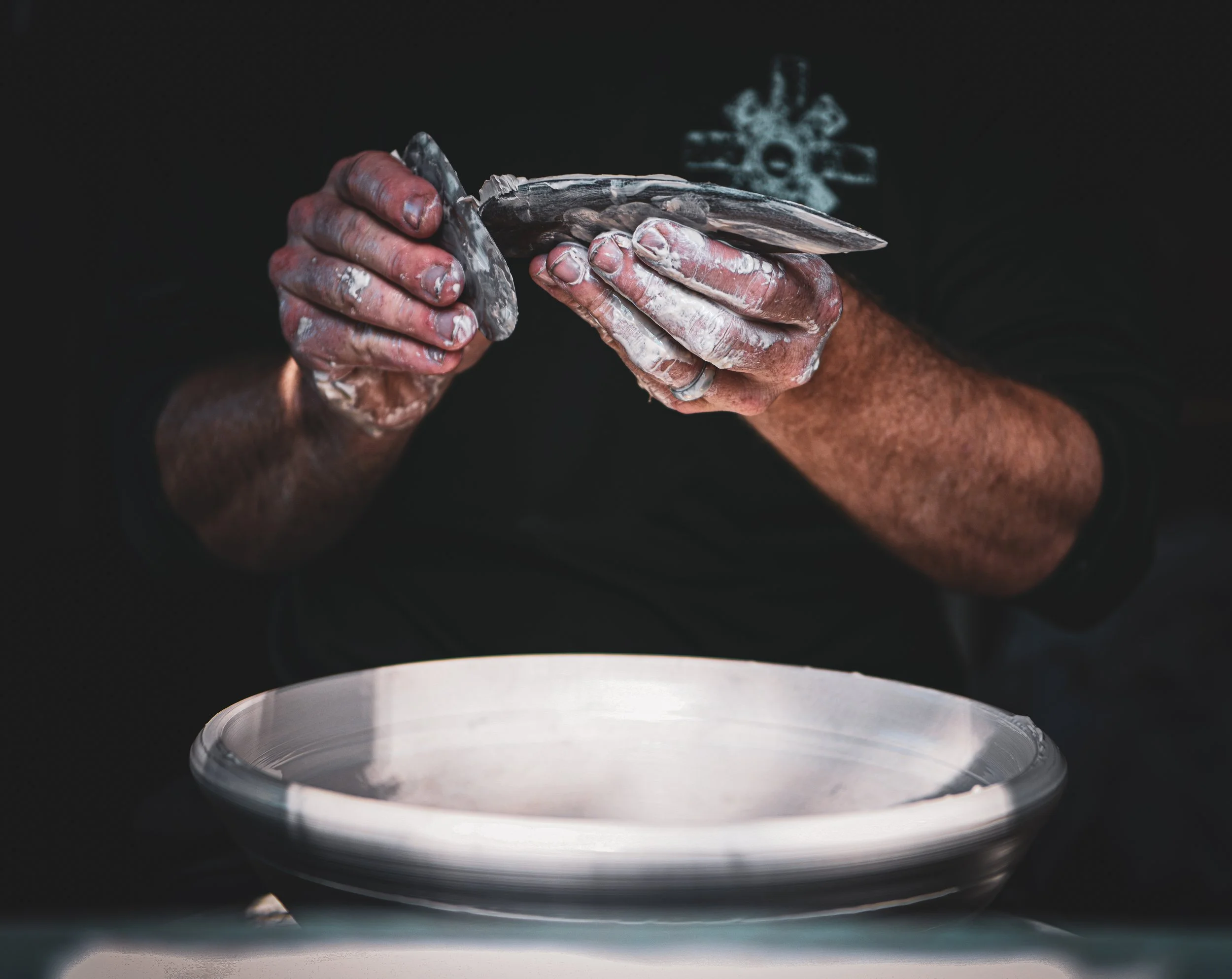
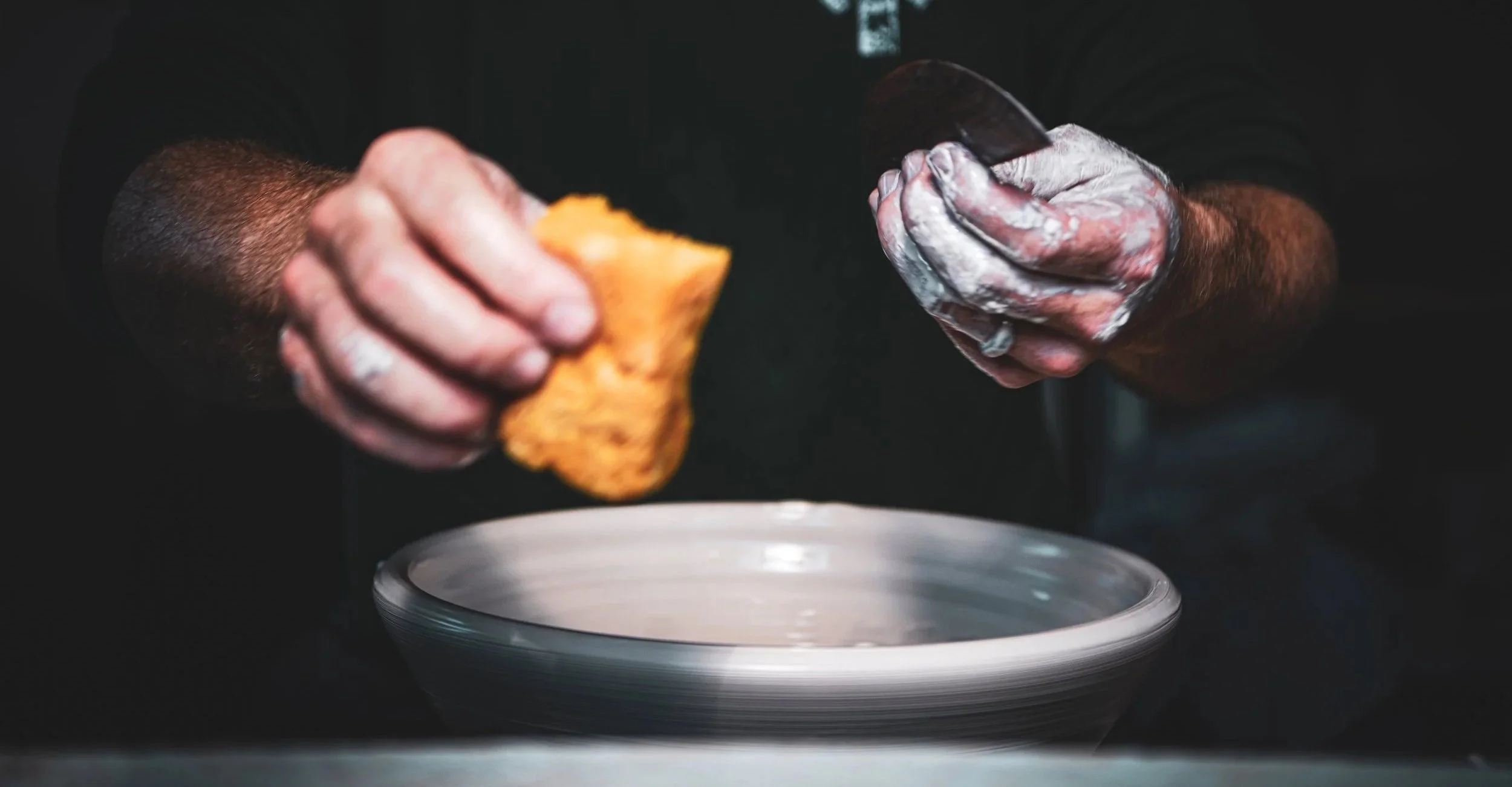
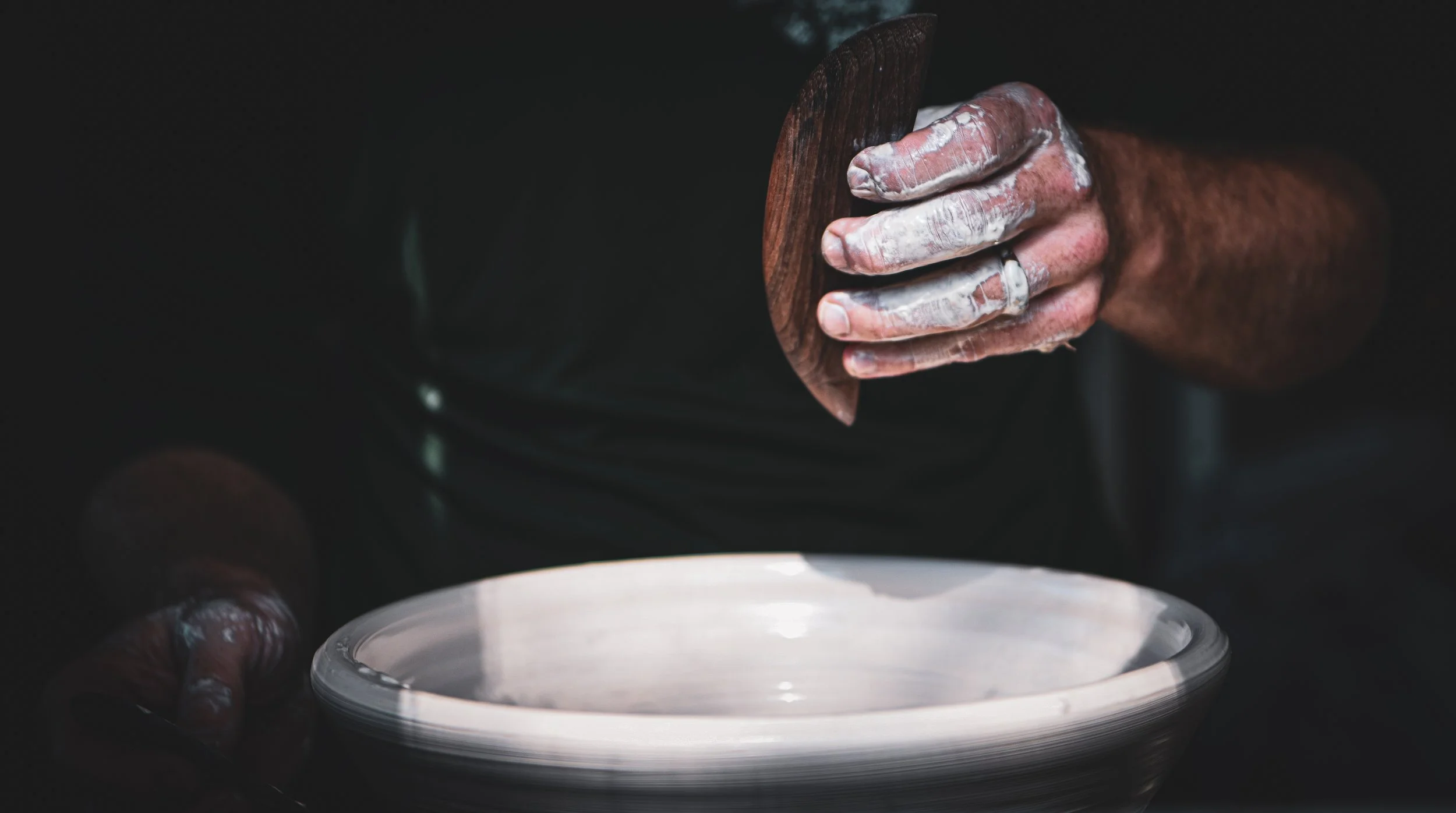
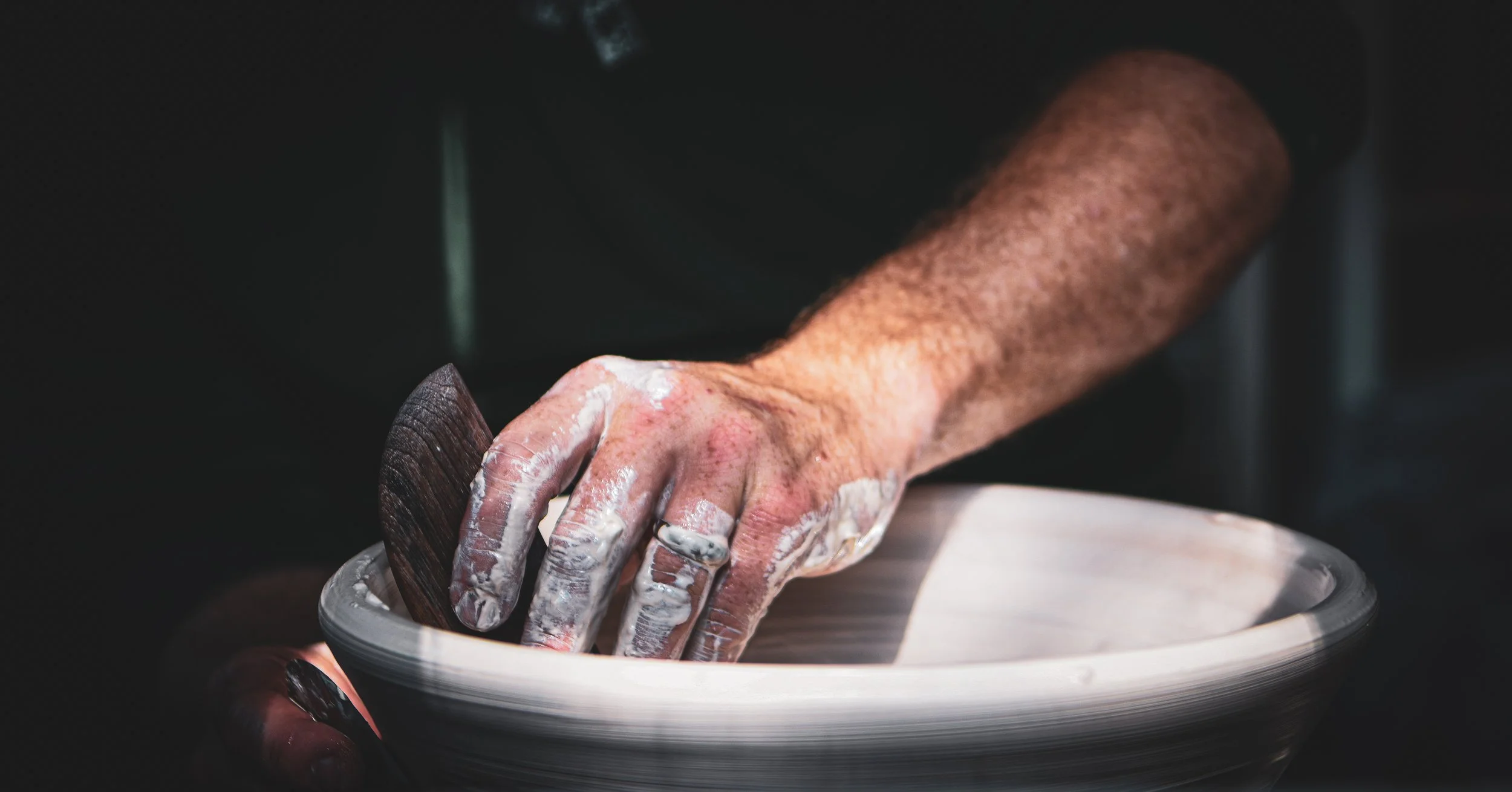
Every firing of this kiln requires sustained labor. Students and artists alike are drawn into this shared process, forming a rich community in the studio. People in this space know one another like friends, and talk about their families and lives while they tend to the kiln. Smith hopes to fire the Augagama kiln three times a year, with the next major firing planned for October 2026.
Beyond his own studio practice, Smith teaches high school students in the International Baccalaureate program at Allen D. Nease High School and previously taught at UNF. Smith said that students occasionally push his own work in unexpected directions; one recently introduced him to Egyptian paste, a material he hadn’t used before, and he found much joy in this new knowledge. That exchange of ideas is central to Smith’s approach to ceramics.
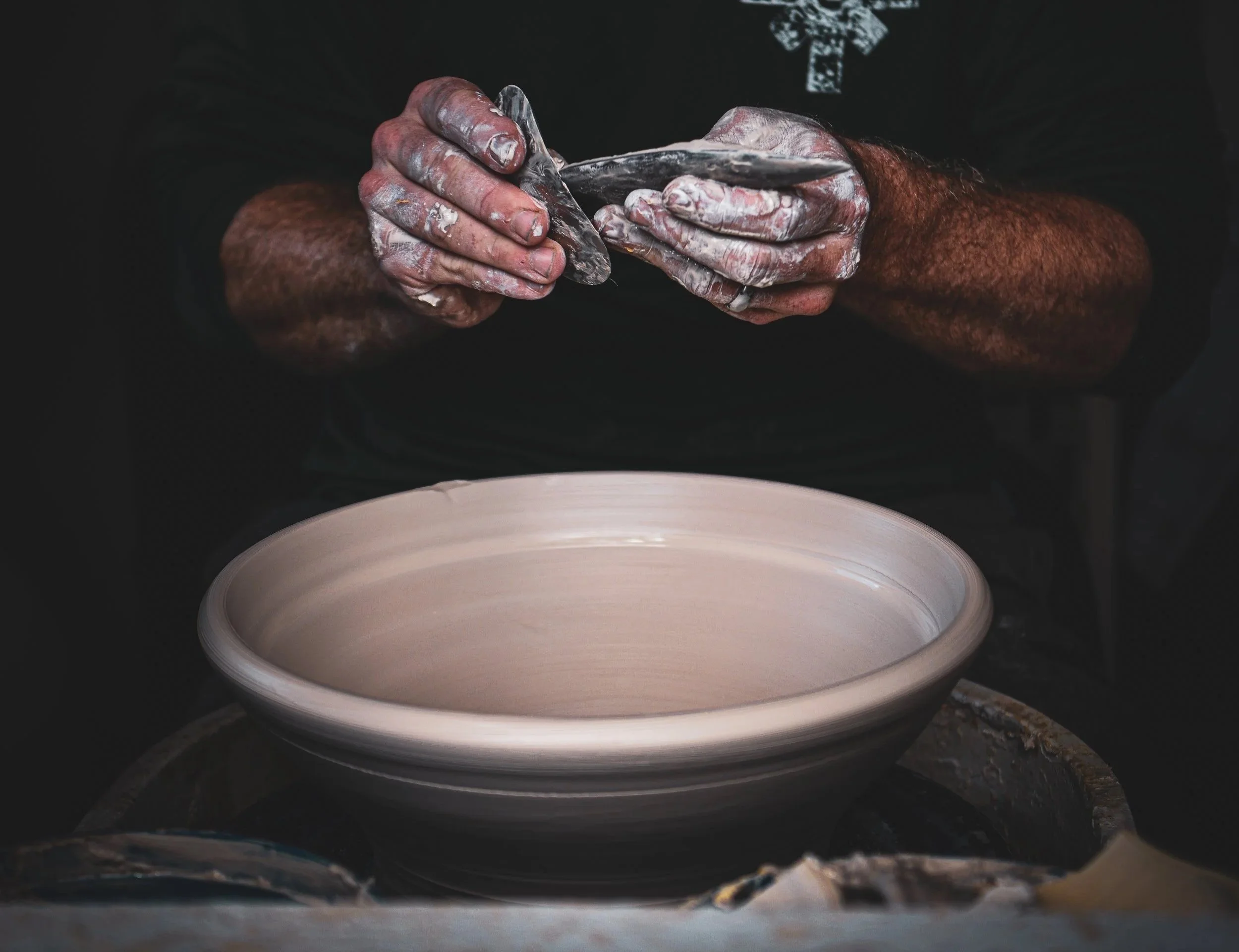
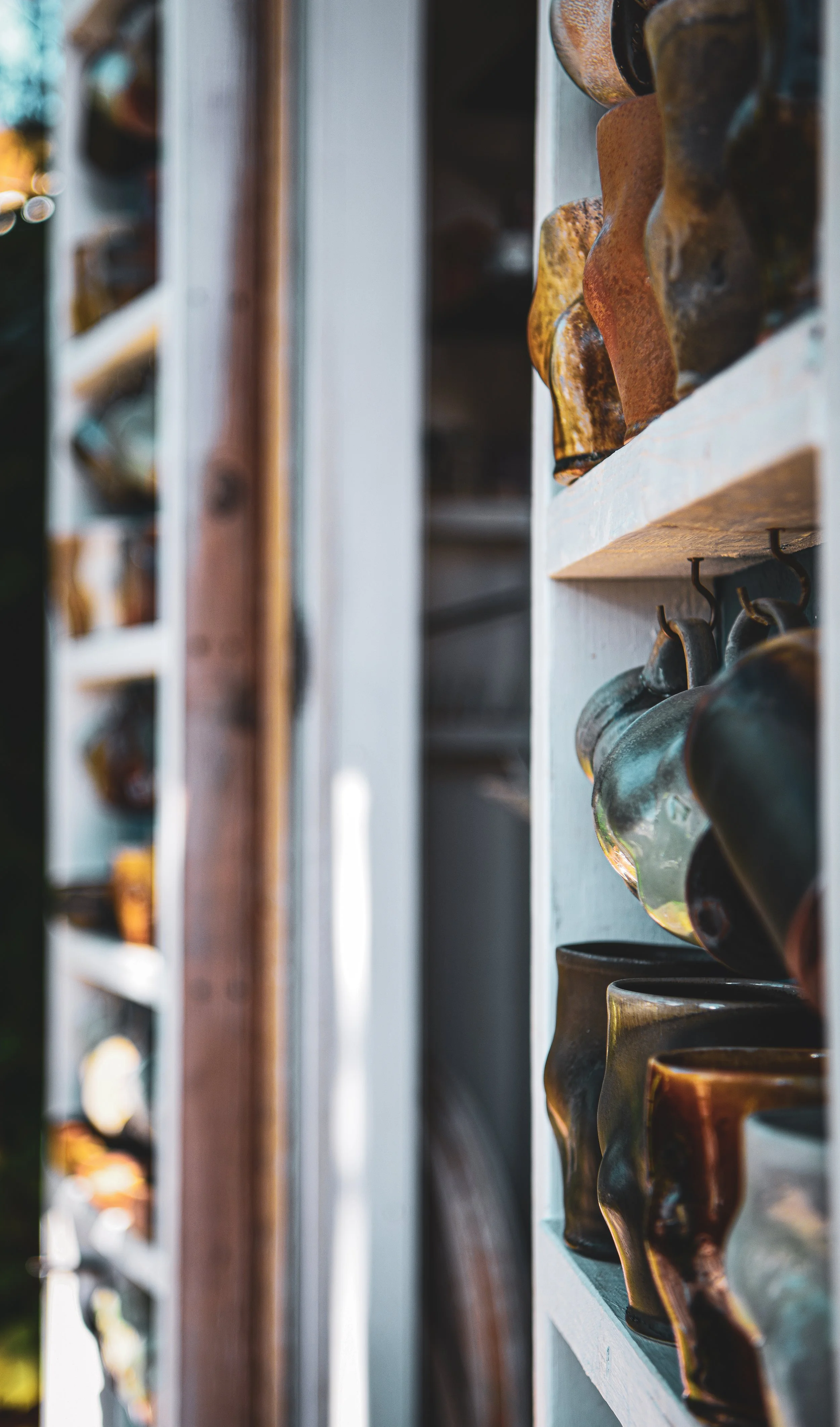
Clay passes from hand to hand, from riverbank to kiln, from teacher to student, and between viewers. For Smith, a ceramic artifact is both an object and a vessel that carries a part of the person who formed it.