Silver, Liquor & Light
Written by Jacqueline Lee
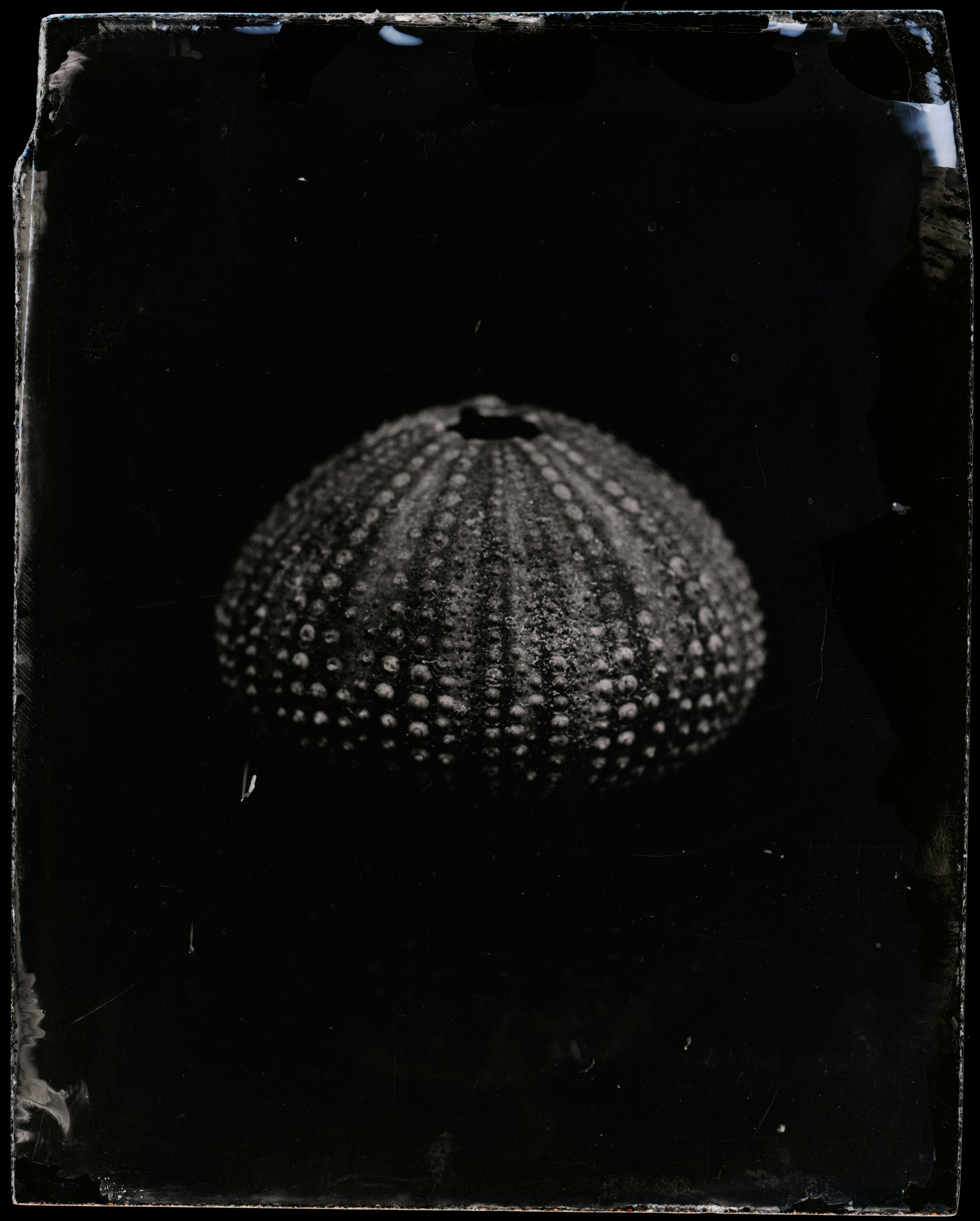
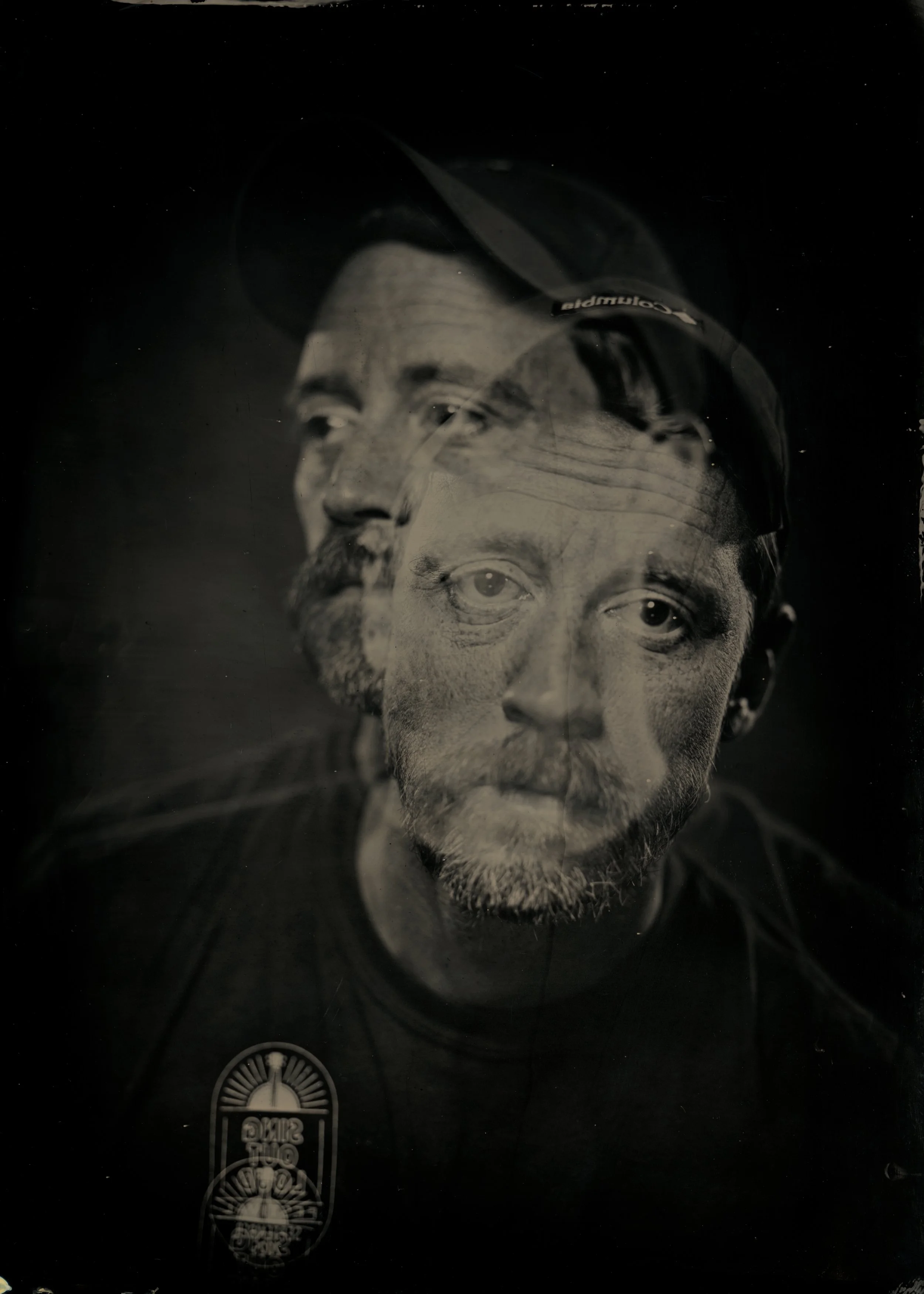
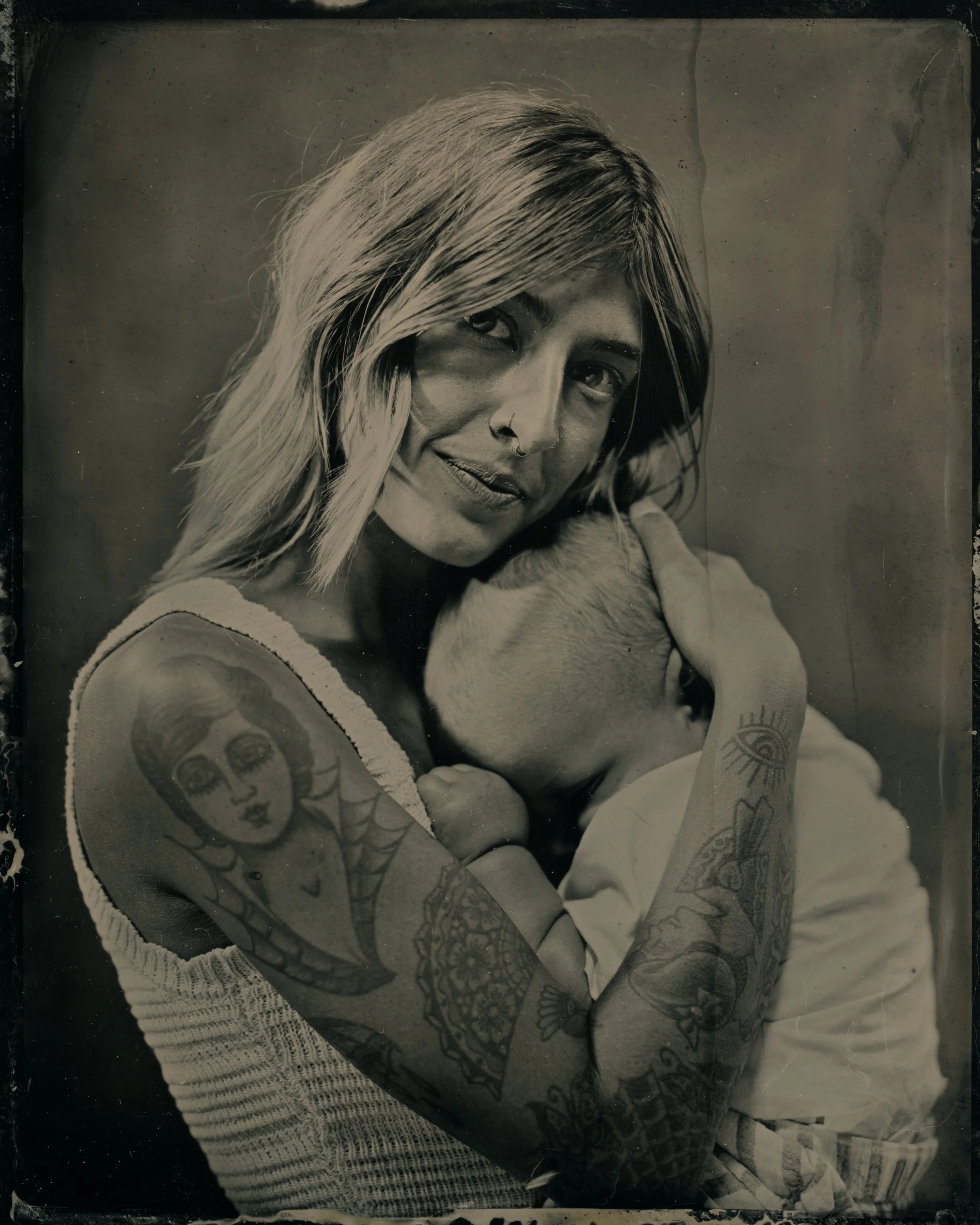
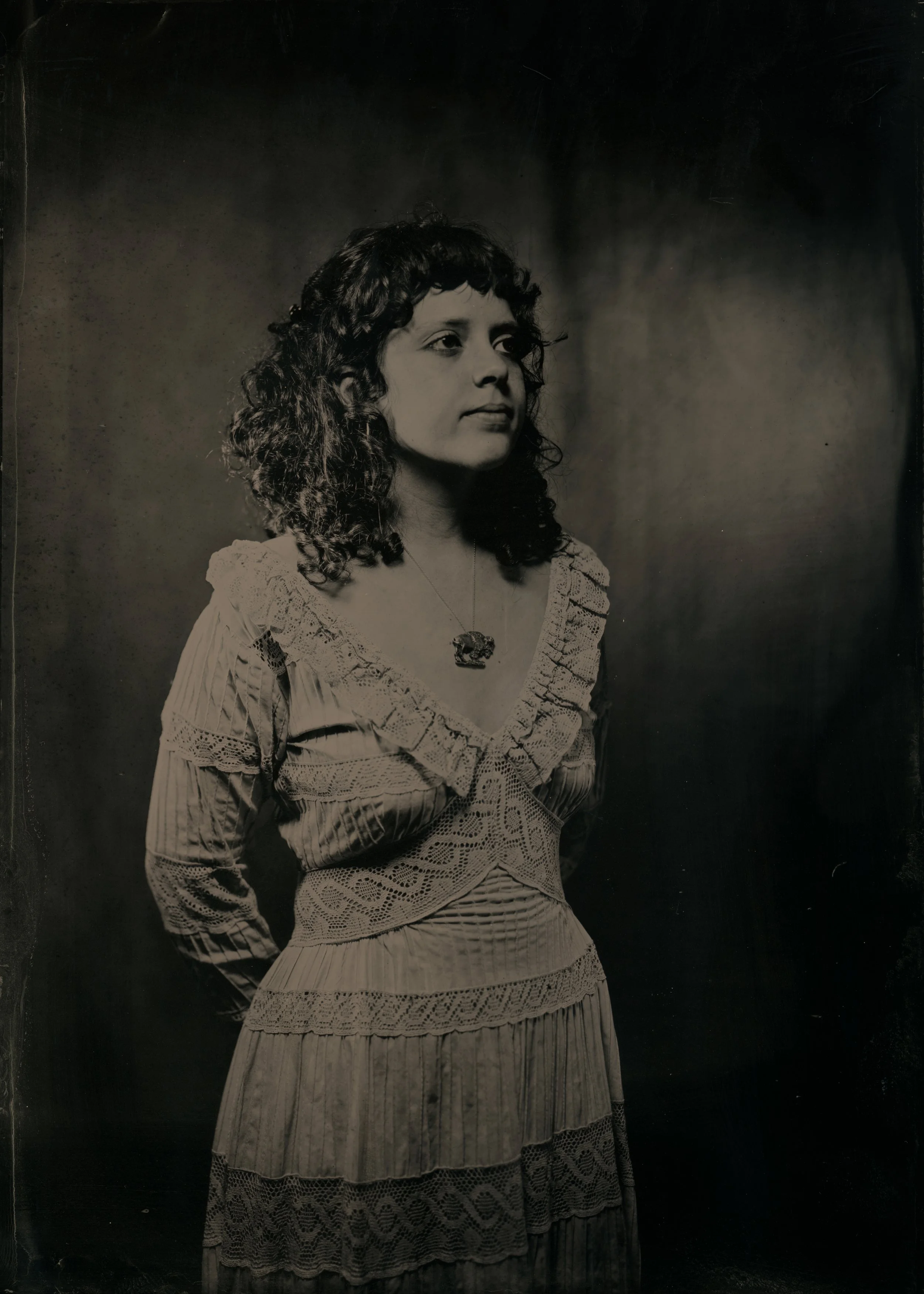
Tintype photography by Matt Keene
Process photographed by Chloee Blair
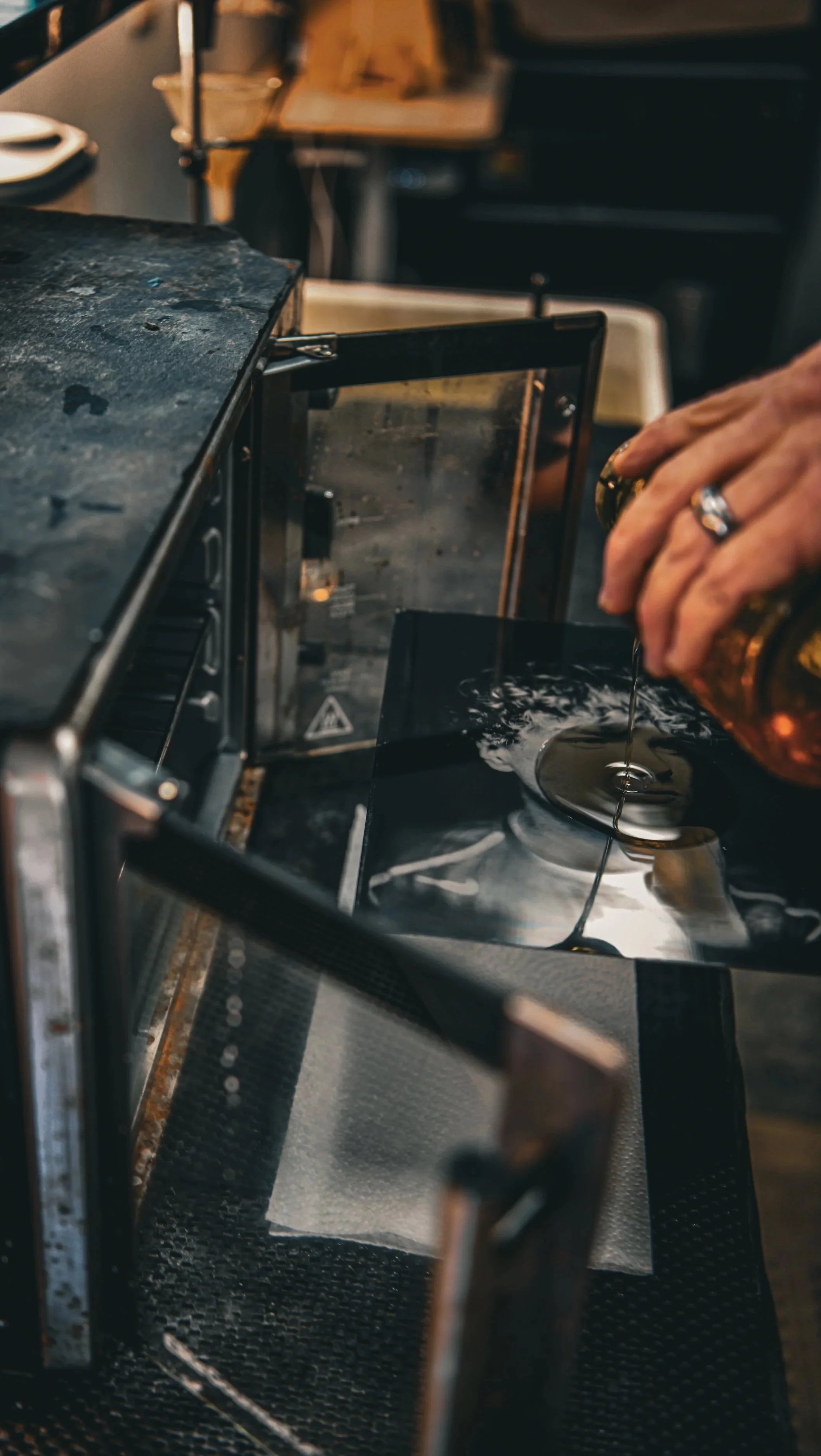
“It doesn’t matter what kind of day I’m having before I get here, when I’m doing this, I’m in a good mood,” Matt Keene says of his wet plate photography - the epitome of old-school art - as he preps a thick, sepia-toned varnish from scratch.
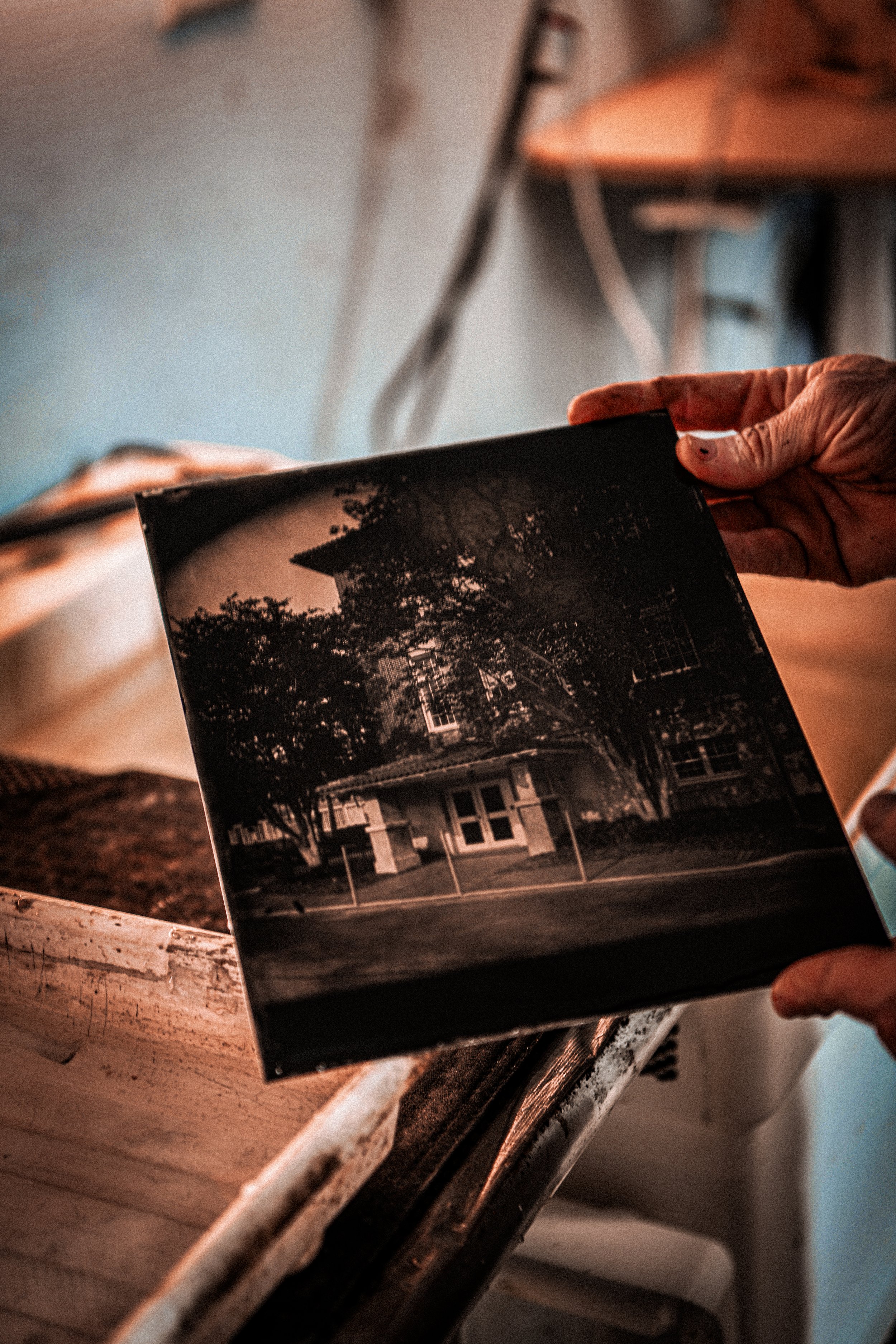
Keene - thoroughly hands-on from start to finish - works with cameras that are decades to a century old, creating highly detailed images using a process that dates back to the 19th century.
He opened his San Marco studio, St. Augustine Tintype, more than a year ago after previously working out of his garage, and prioritizes keeping his photography affordable and, therefore, accessible to all. Keene describes his work as "experiential” - rather than simply taking photographs, he invites people to witness the intricate process behind creating a tintype, a direct positive image made on a thin sheet of metal.
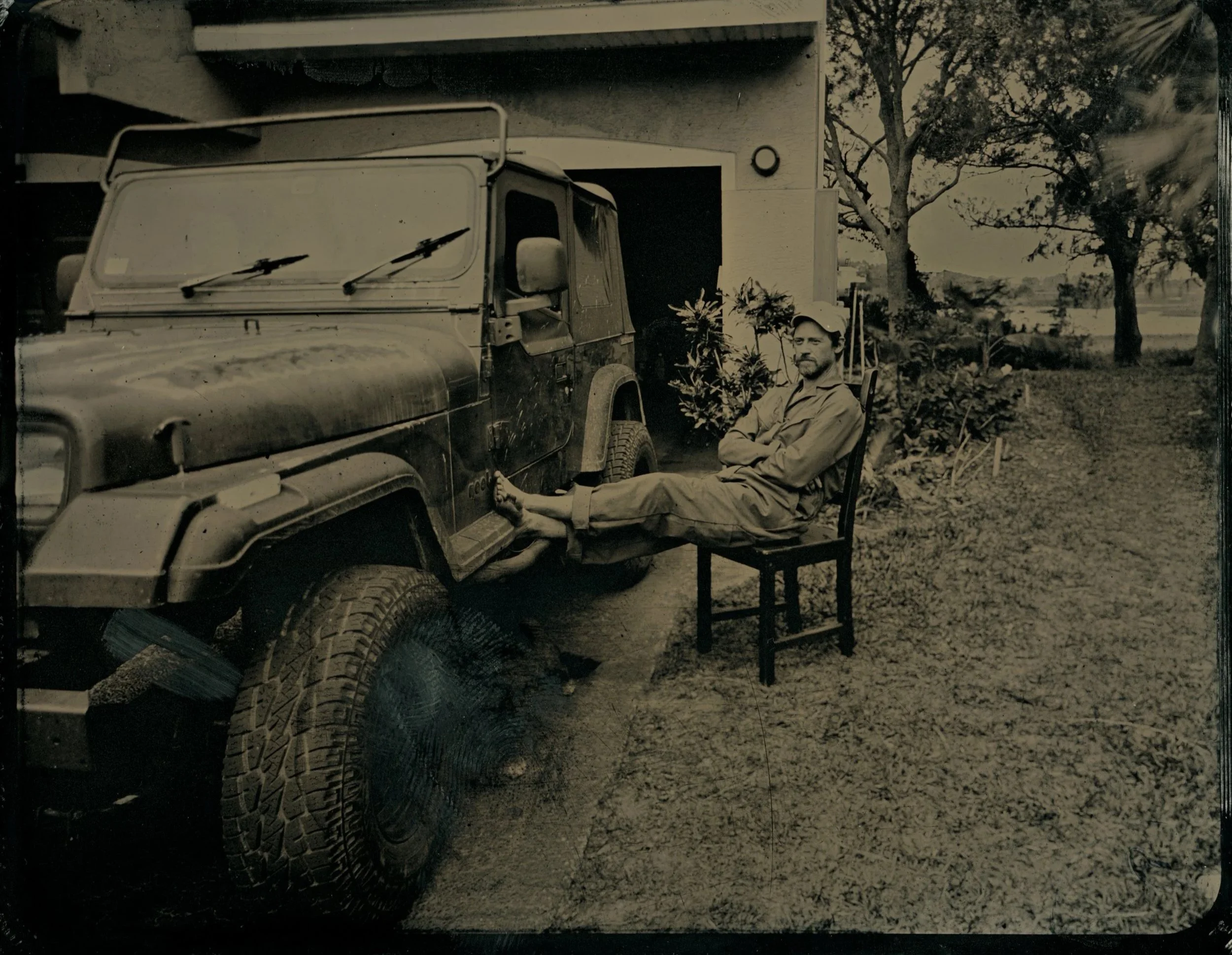
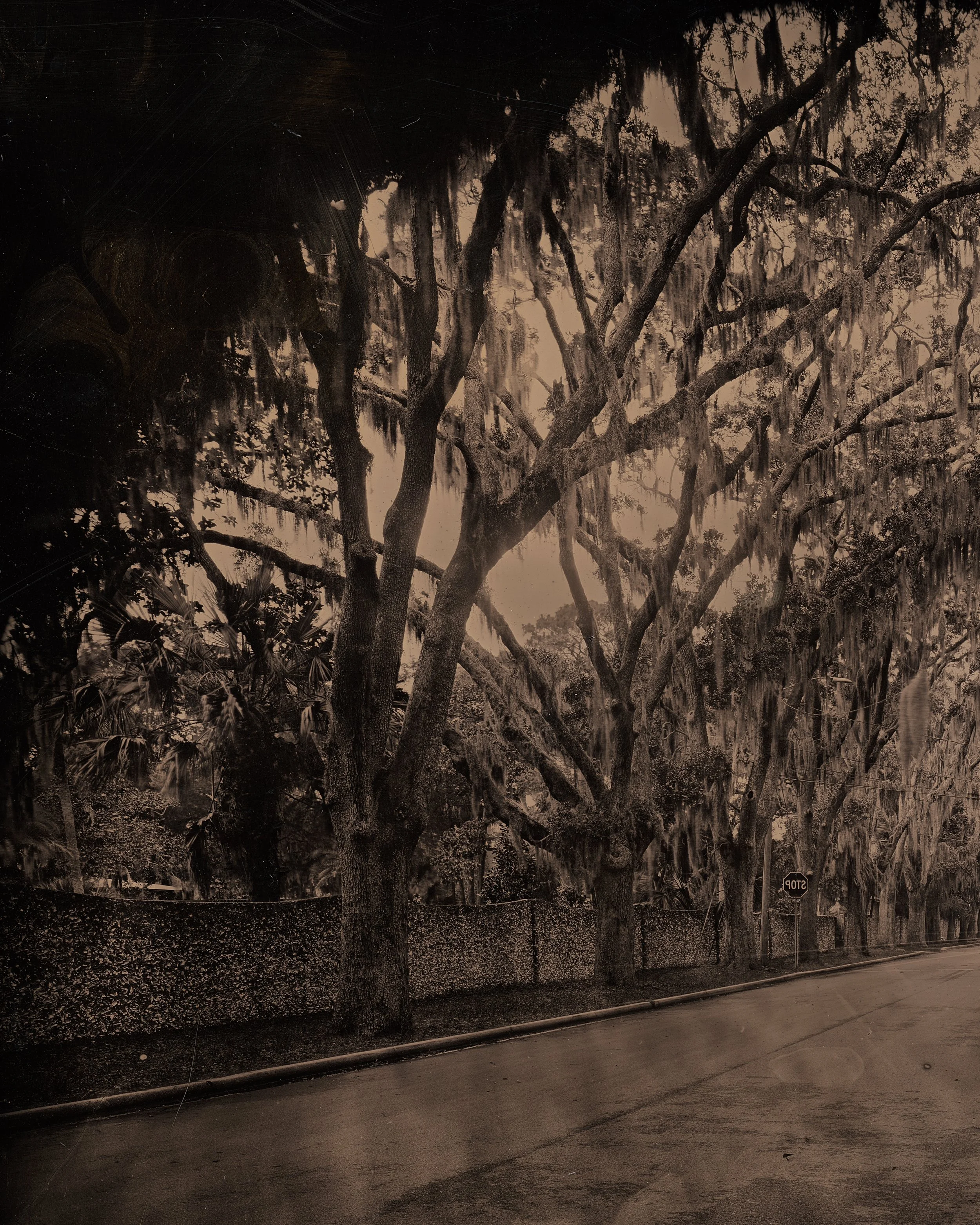
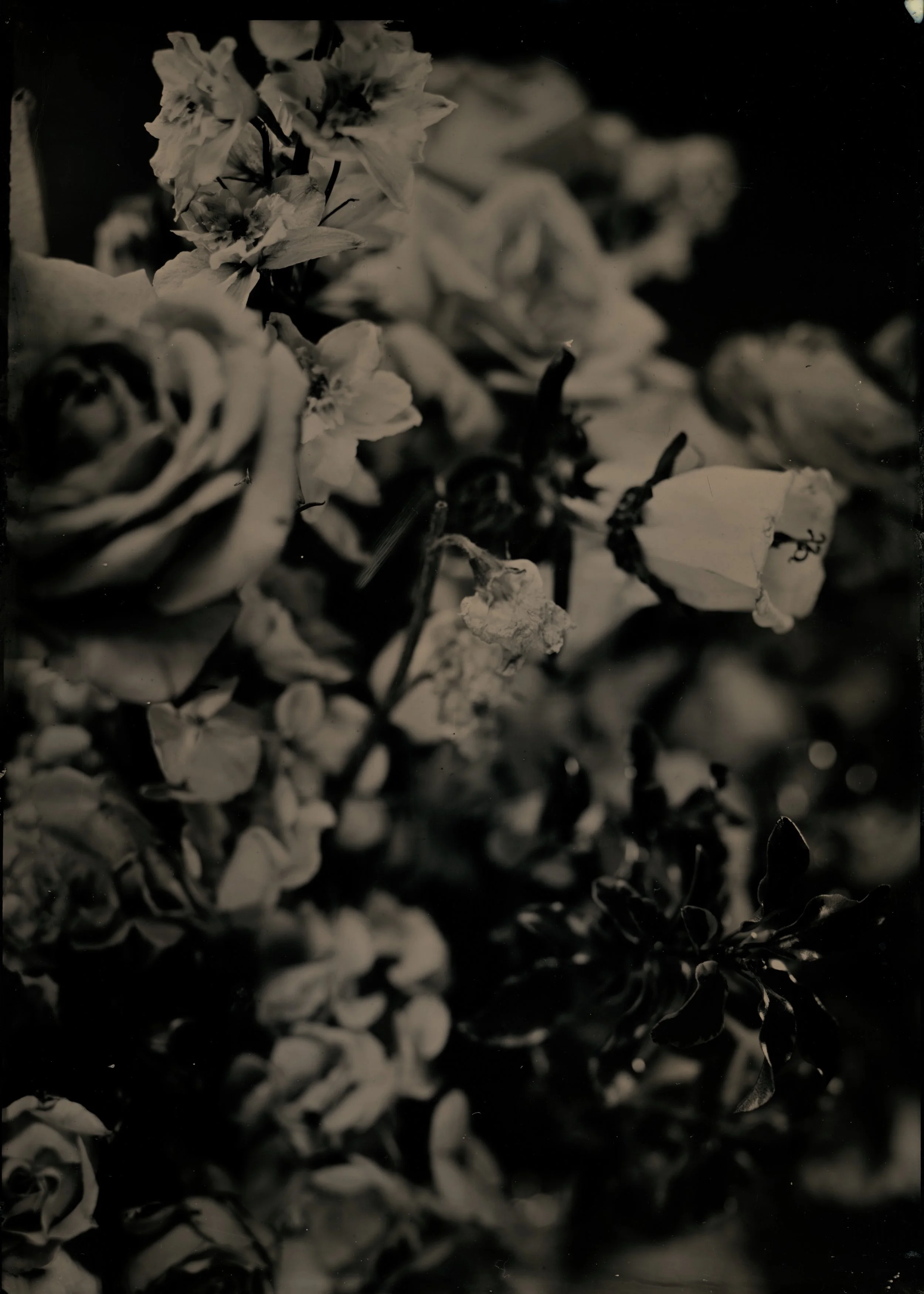
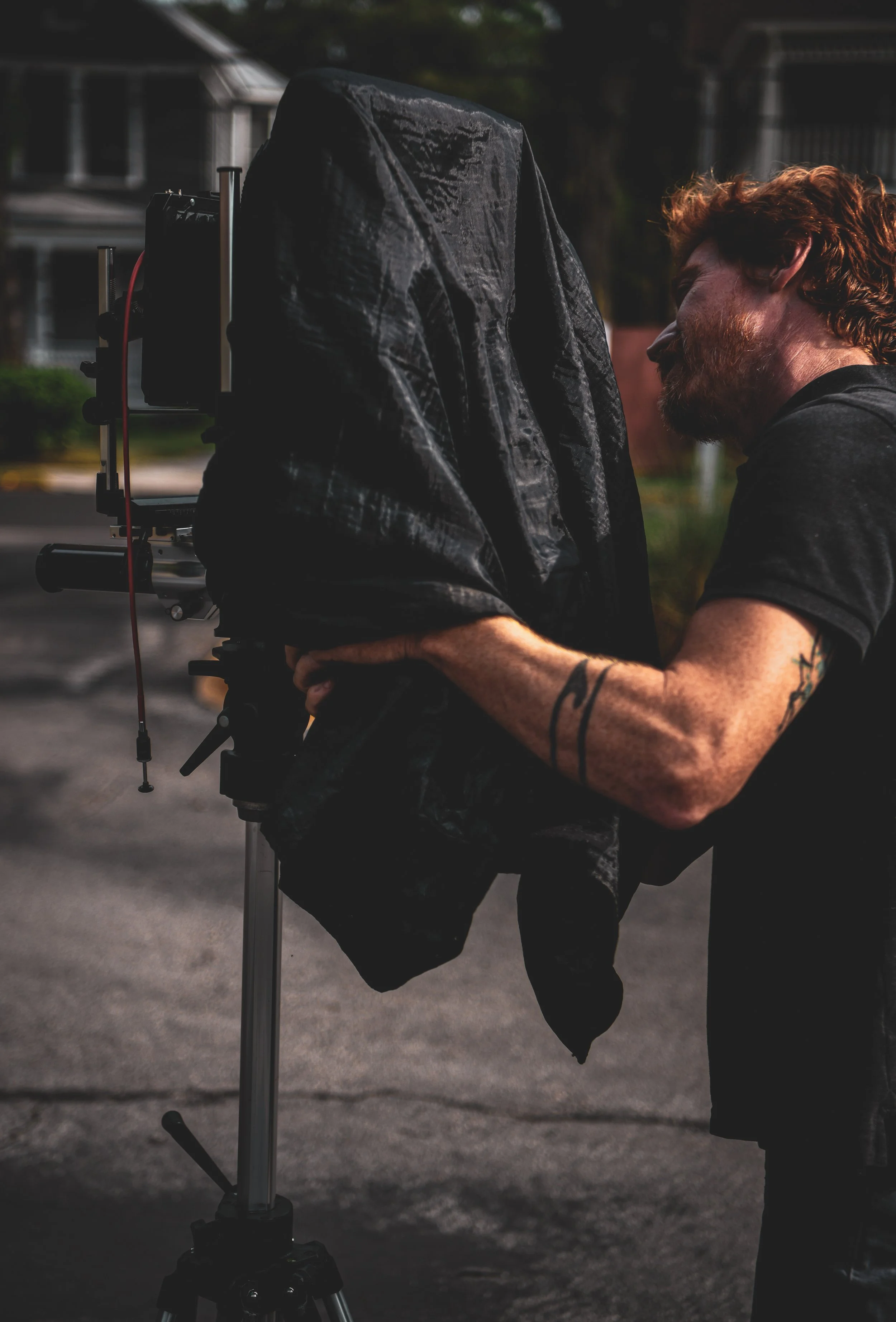
"I make tintypes using a variety of large format cameras - old, heavy accordion-style 'bellows' cameras that I compose and focus beneath a dark cloth," Keene said. "The most modern camera I use is 50 years old, and the oldest is 124 years old."
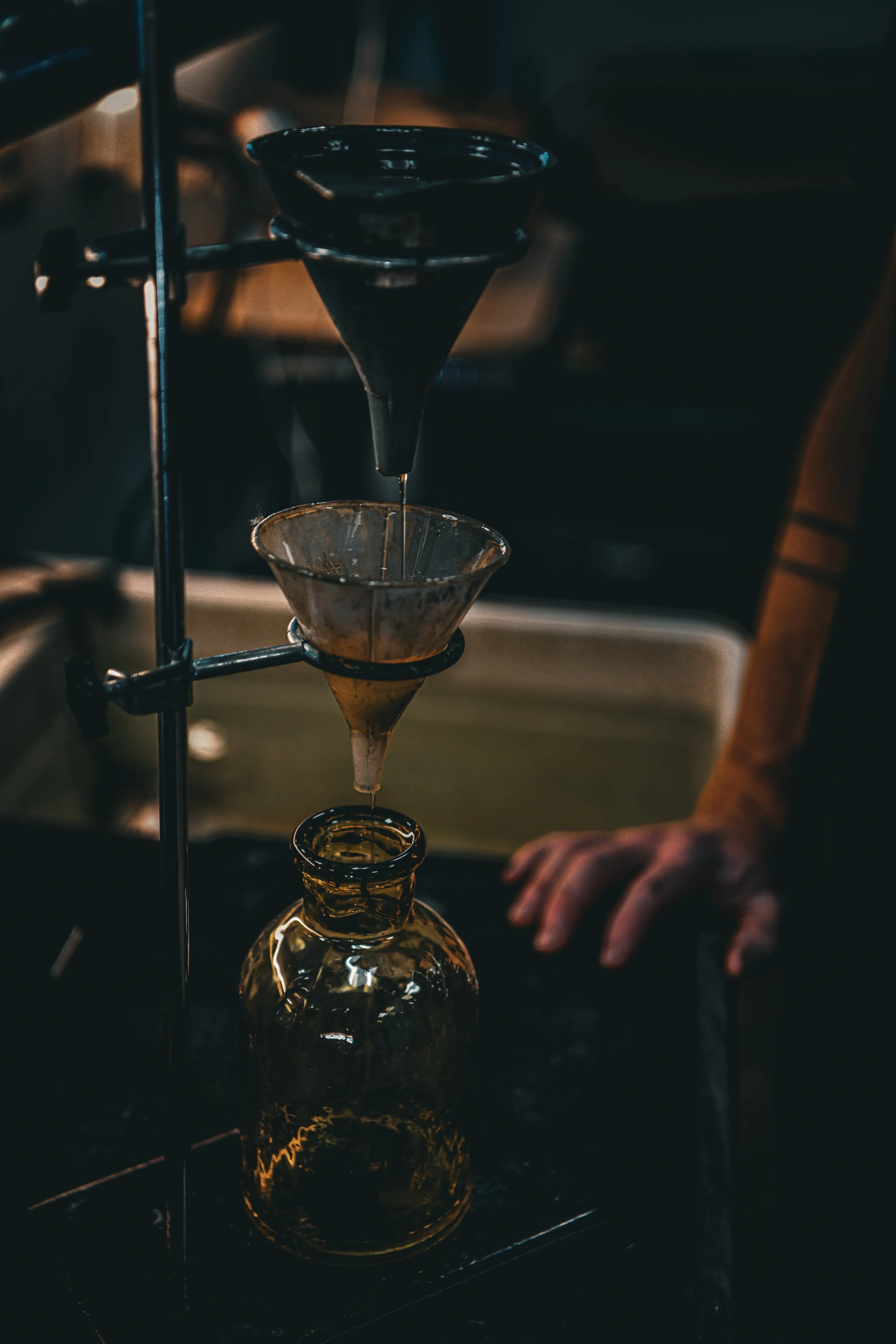
The wet plate process requires careful preparation and immediate development. Keene mixes most of his own chemicals using recipes from the 19th century and has only 10 to 20 minutes to develop each photograph after it’s taken. Because of those time constraints, he brings a portable dark tent or dark box wherever he works.
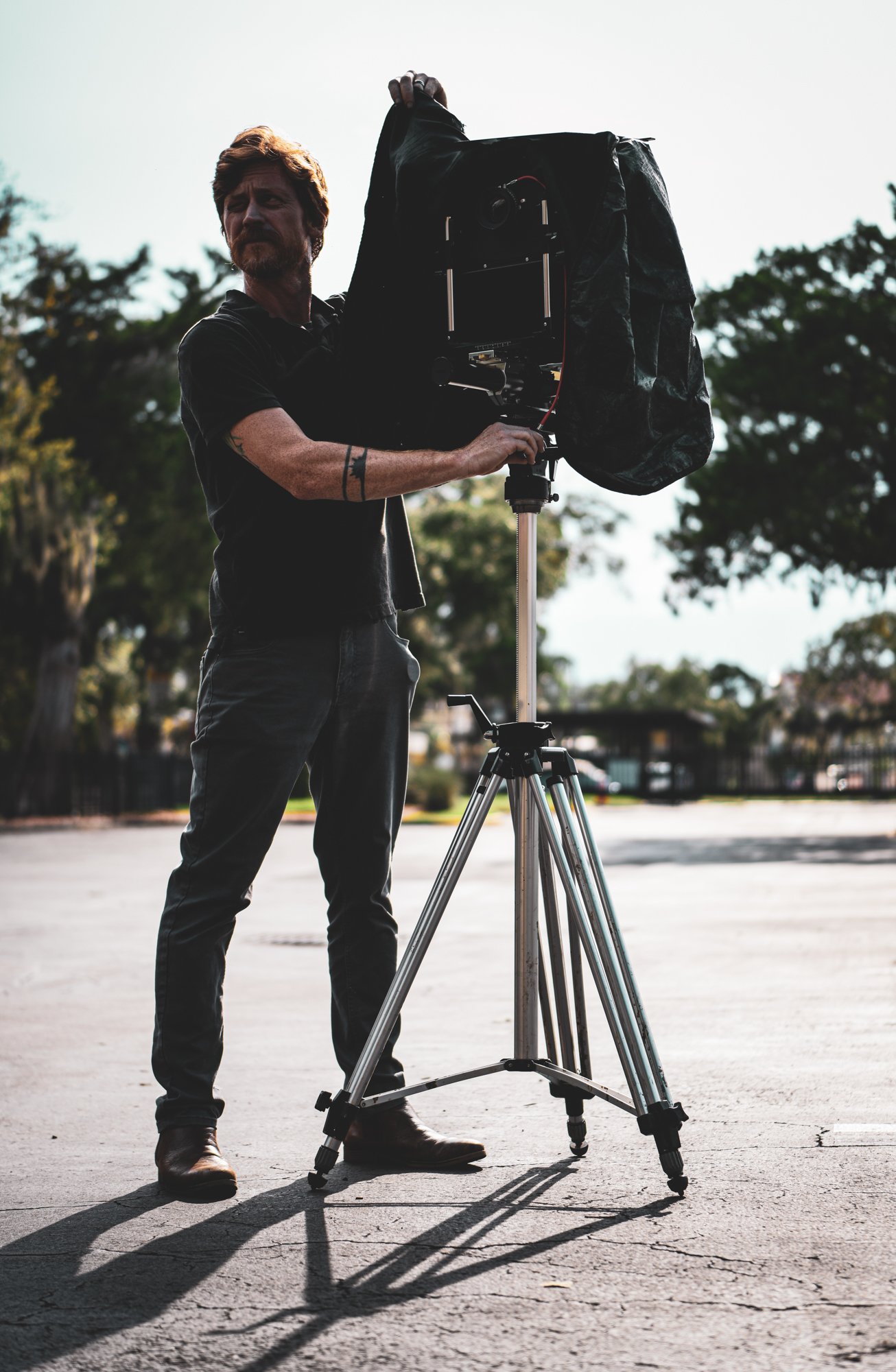
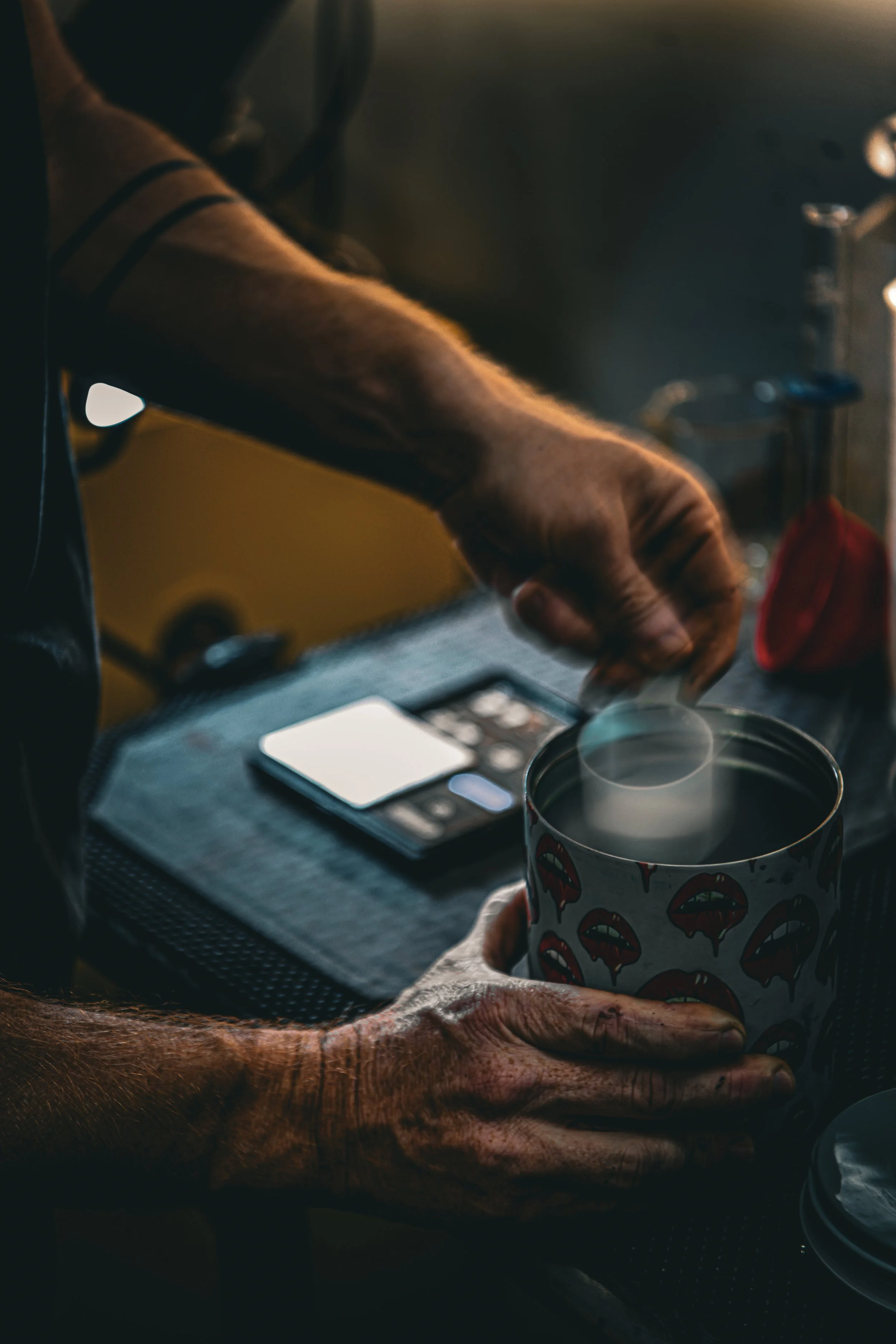
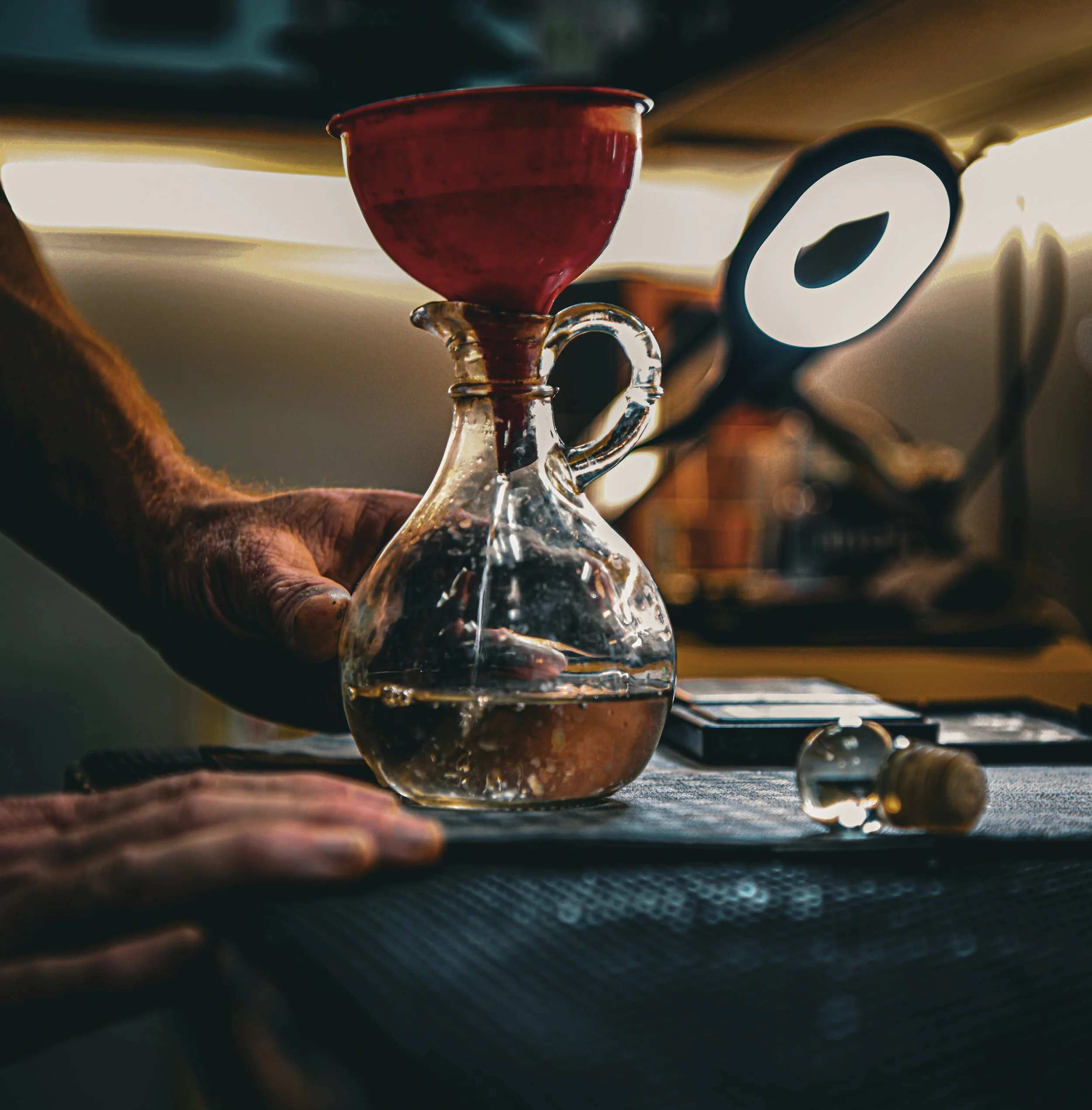
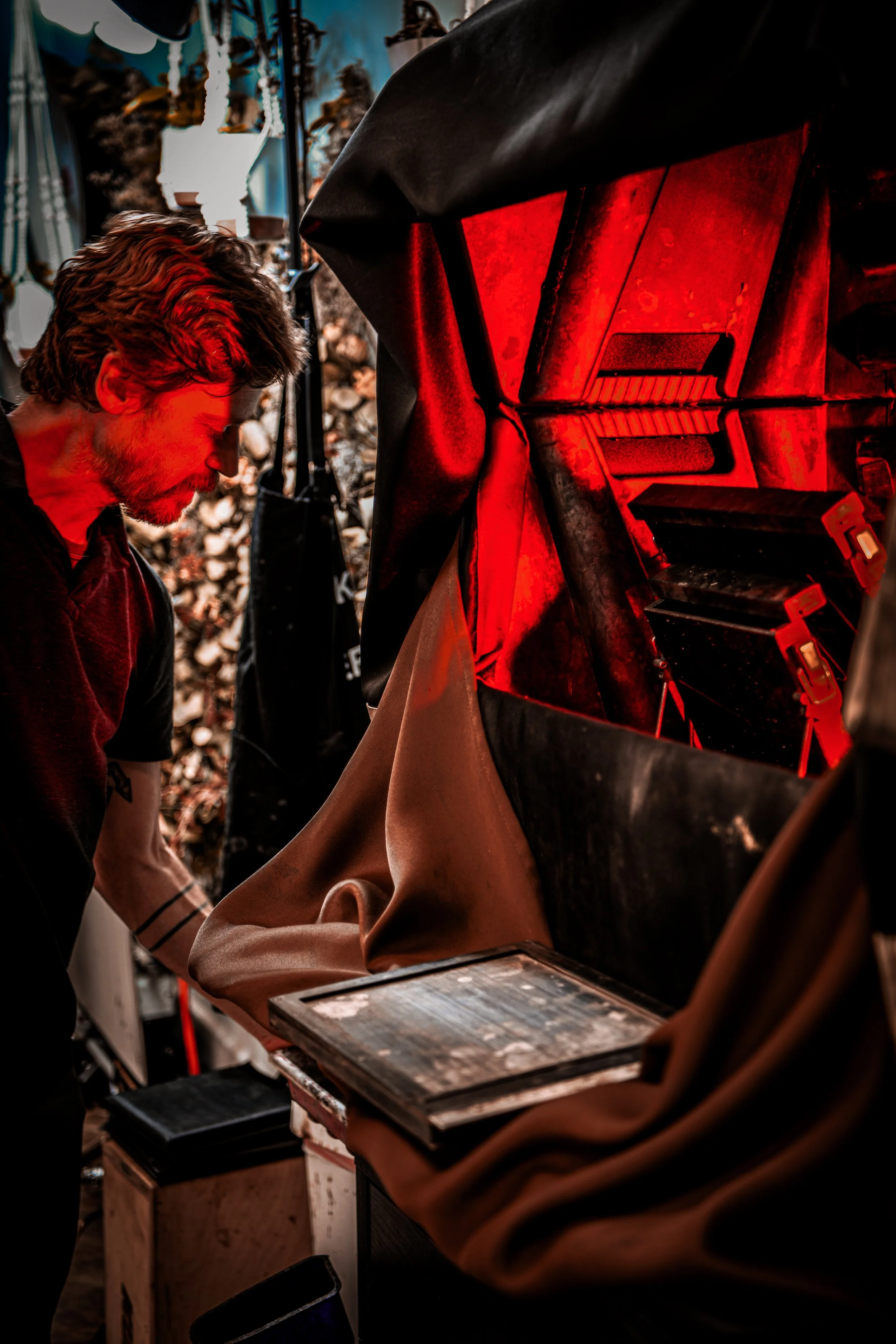
Creating tintypes also requires transporting a variety of materials.
"I bring with me a silver bath, used for making the tintypes sensitive to light. I bring developer, made from iron, vinegar, grain alcohol and water. I bring fixer, which is made from a type of salt, and I bring water," Keene said.
Keene often travels by canoe to reach the remote natural locations where he creates his images.
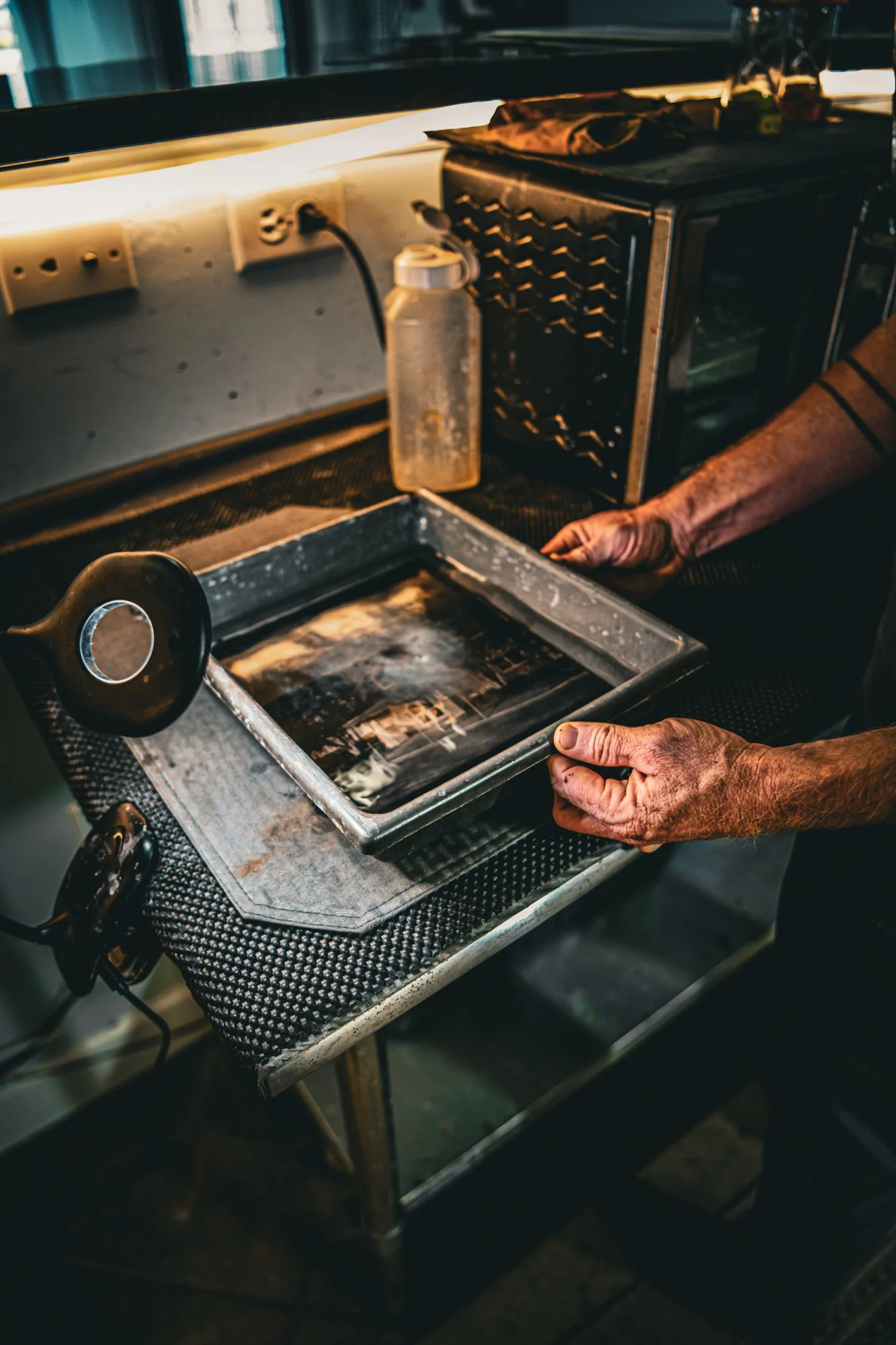
Photography has been a lifelong passion for Keene, who said he has had a camera in his hands since childhood and has always viewed photography as a way to participate in the world.
A graduate of Flagler College, Keene majored in journalism with a concentration in print communication. During his senior year, he produced a 17-minute multimedia documentary, River Be Dammed, that continues to be shown around the state.
His career has also been shaped by several ambitious personal projects. In 2008, Keene and his wife paddled around the state of Florida before hiking from the Florida-Alabama line to Key West, a journey of approximately 2,800 miles that he says permanently influenced his life and artistic perspective.
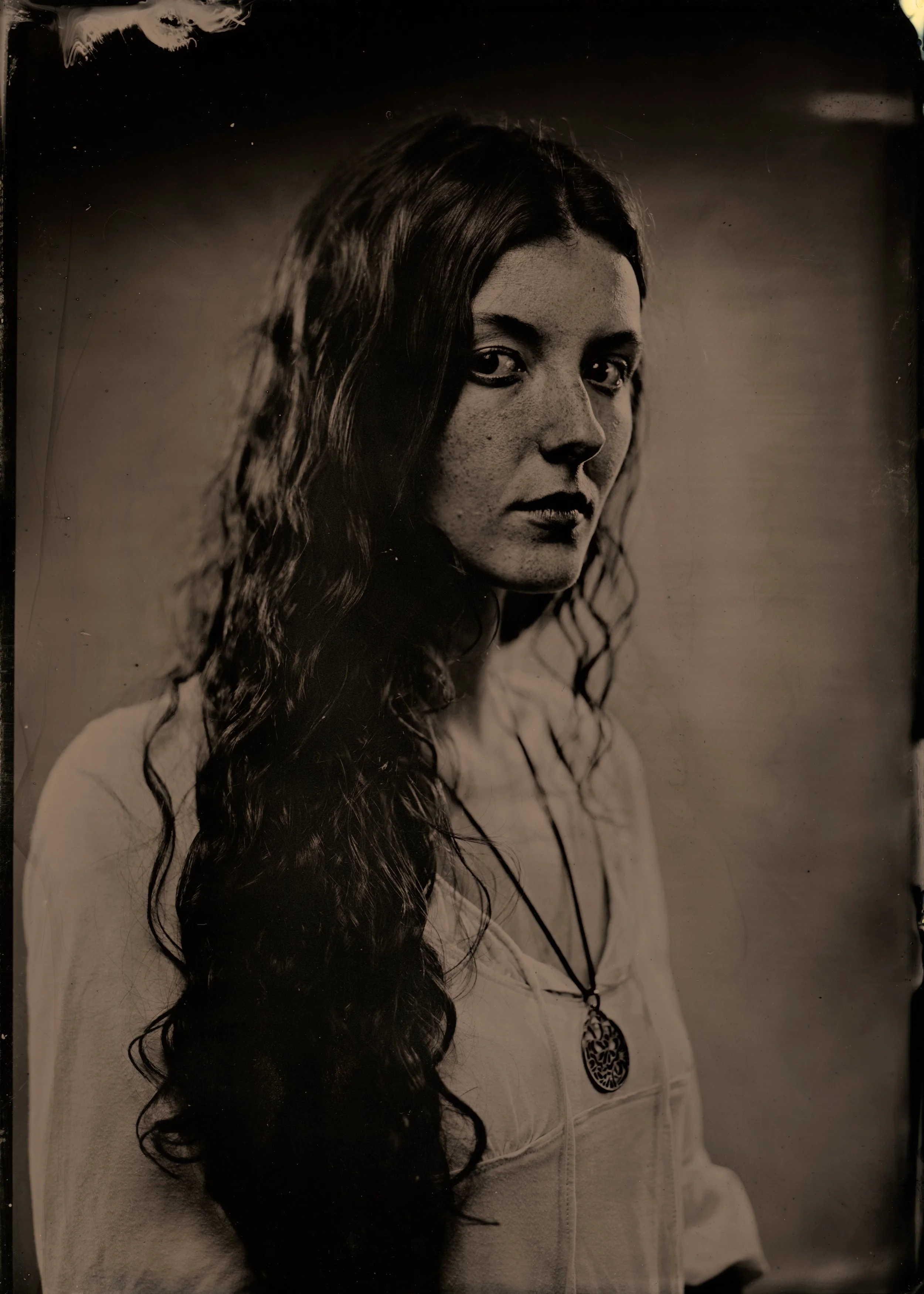
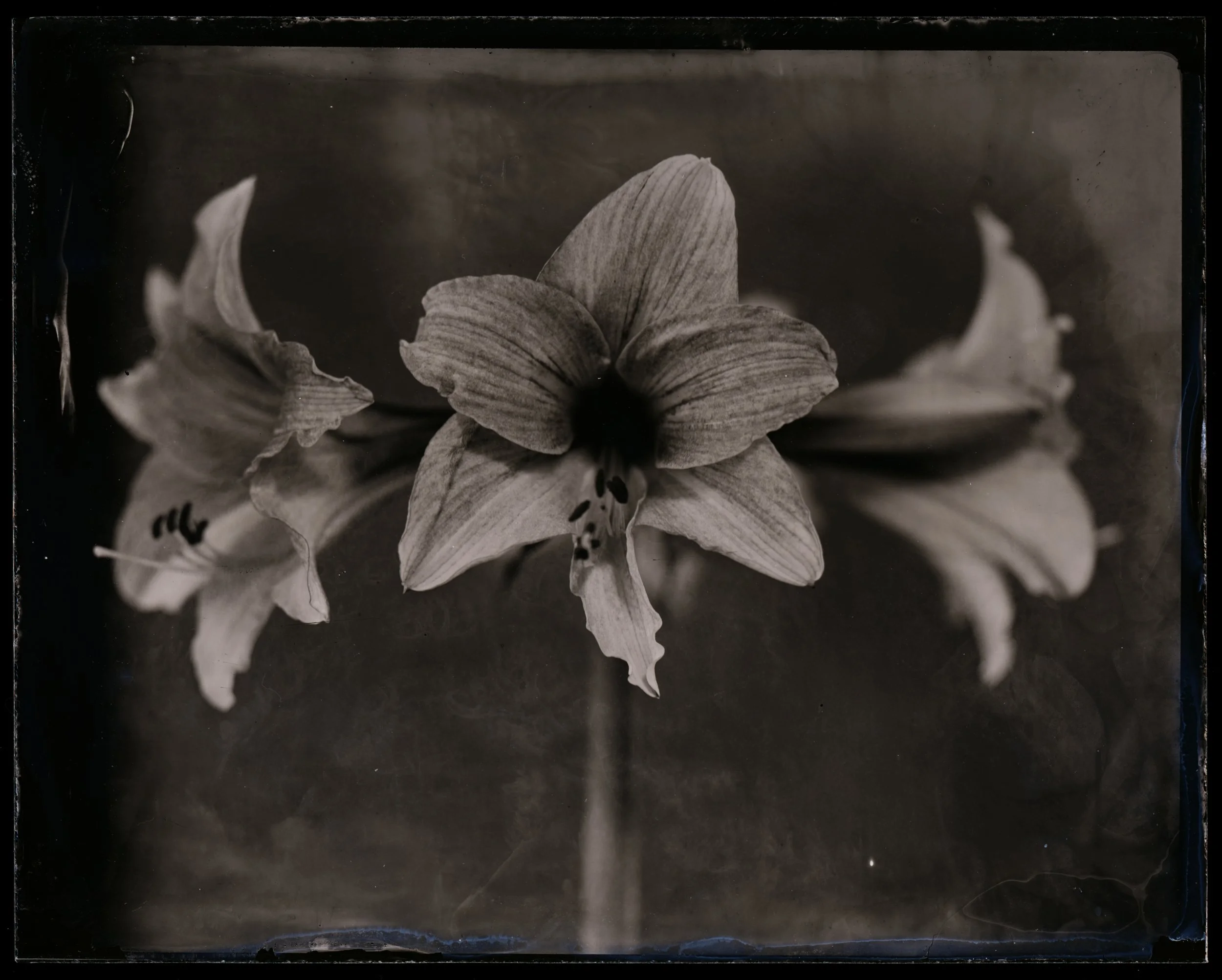
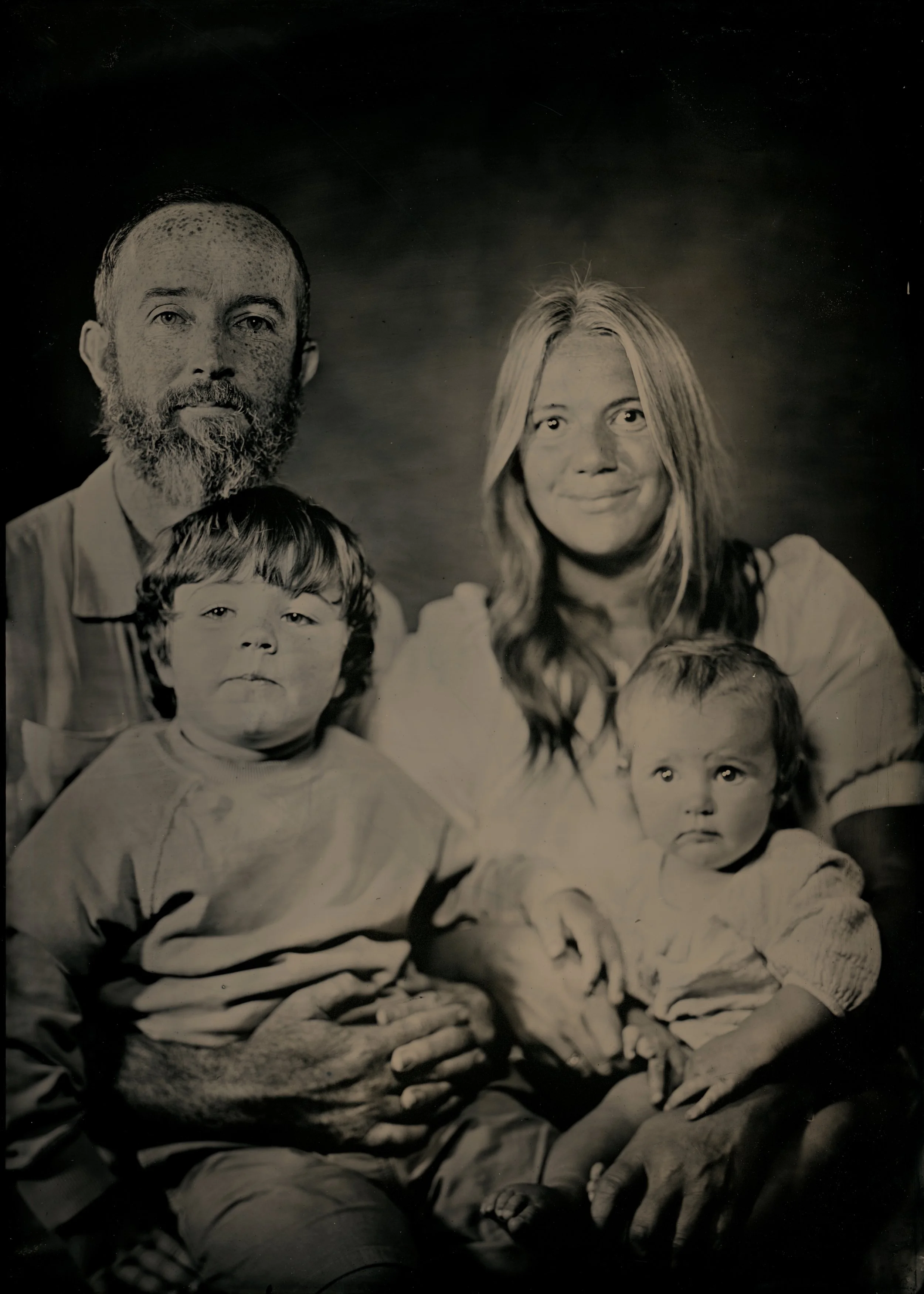
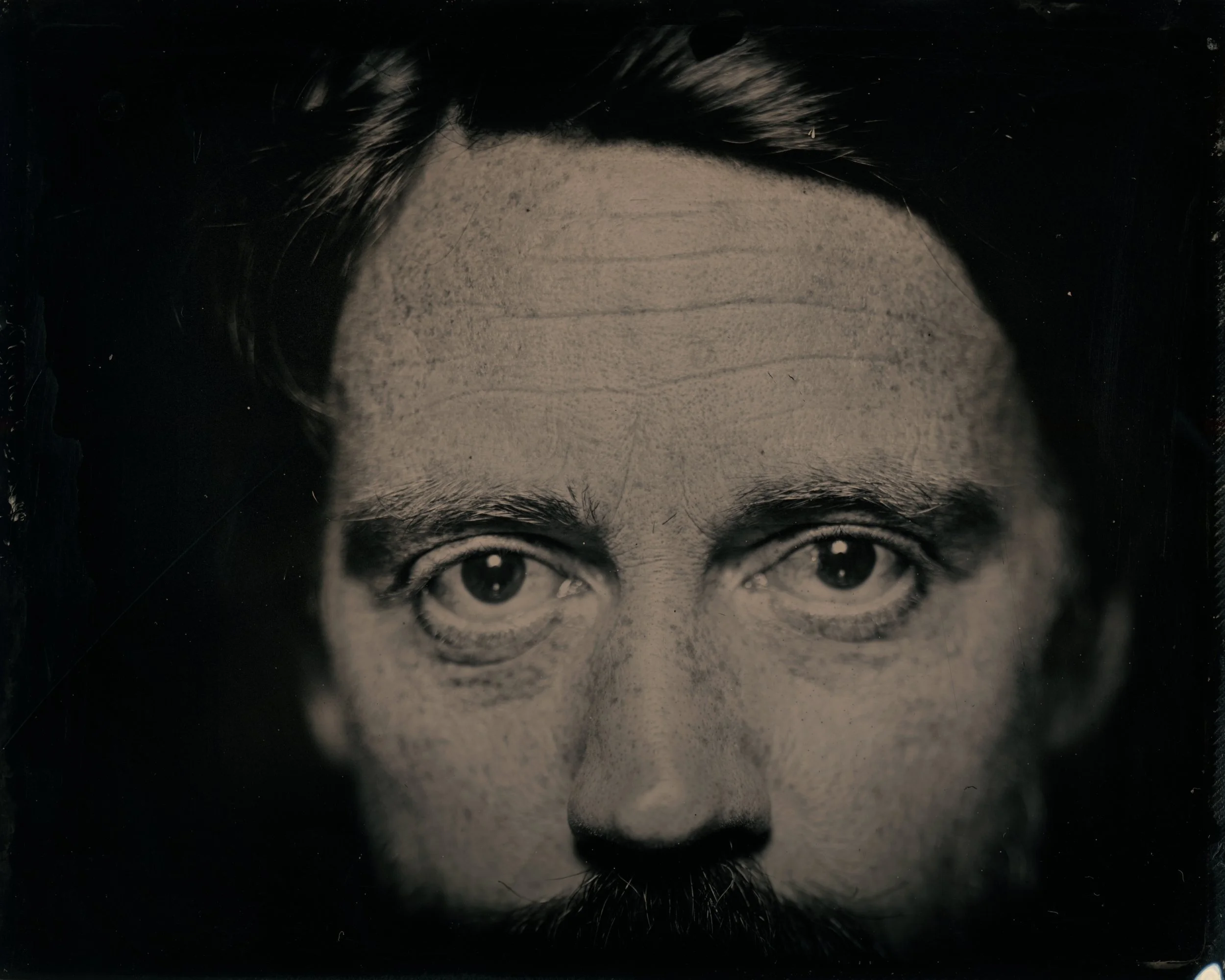
More recently, Keene's work was featured in the Lightner Museum exhibition, Echoes of the Wild, from October 2025 through January 2026. The collection showcased wet plate photography, tintypes and ambrotypes, which are created on glass.
One of Keene's favorite collaborations was Lost Springs, a short documentary created with fellow artists about efforts to restore Florida's Ocklawaha River.
Keene also strives to make tintype photography accessible. On his website, he explains that he charges less than many photographers because he wants to honor the medium's history.
"Tintypes were the first time in history where capturing a person's likeness was affordable for the average family," Keene writes on his website. "That's a big deal to me. I respect that and do my best to honor that legacy with my appointments."
Visit Keene here for more on his studio and his work.