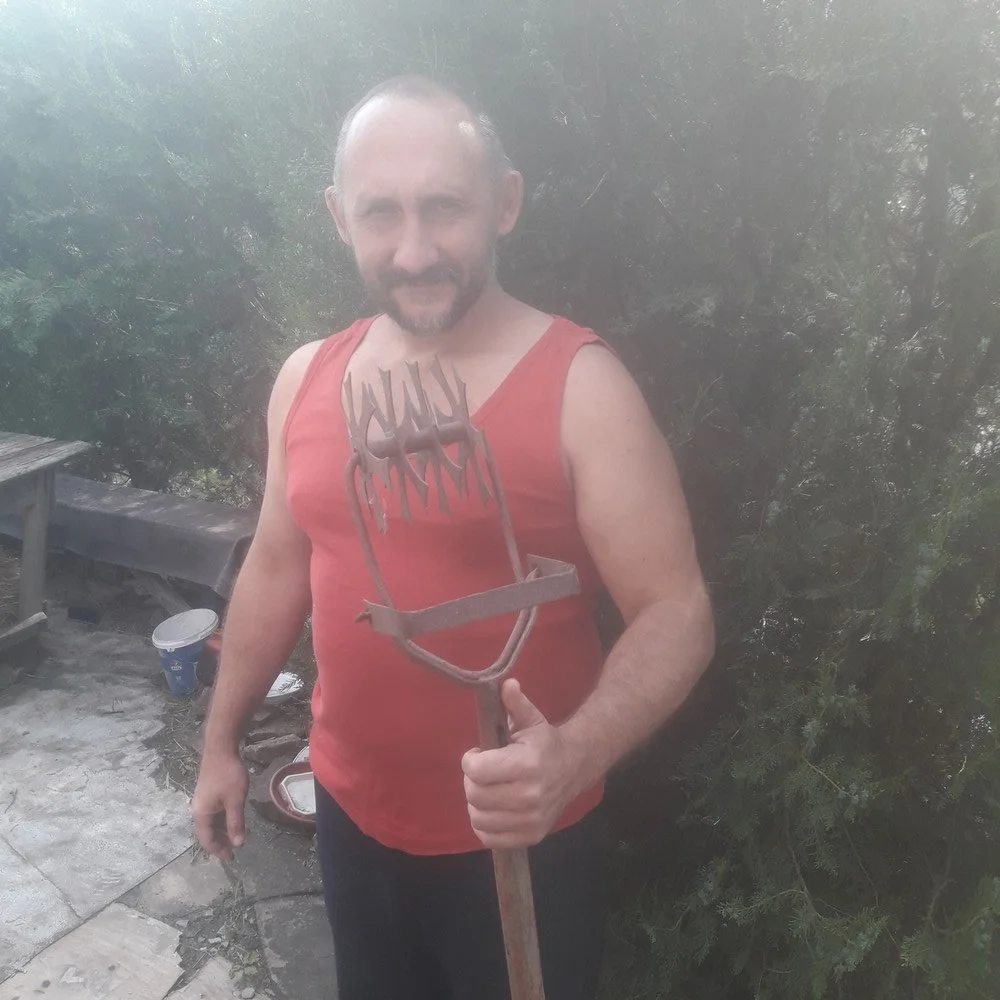

Journalist Pavel Kuljuk, who lives in Kramatorsk in the Donetsk region, shares with The Saint his day-to-day experiences in the midst of war.
Written and photographed by Pavel Kuljuk
June 5, 2026
An unexpected outcome: what the war has done to us in four years
In the fourth year of the war, our internal state has become very peculiar. We are alive physically, but psychologically dead.
These changes occurred unnoticed. A sudden, tragic incident helped us realize this.
"Wait. I'll walk you out," I said to my wife as I put on my shoes and walked out into the yard.
"I'll go not along our street, but along the neighboring one. The road there is better," she replied.
"Okay. Be careful," I said, kissing her as we left the courtyard and entered the street.
I decided to wash my face and brush my teeth this early morning while my wife went to the nearest store, which is 10 houses away. But just as I was putting toothpaste on my toothbrush, someone knocked loudly on the door. I walked to the door with my toothbrush in hand. She must have forgotten something, I thought, and opened the door.
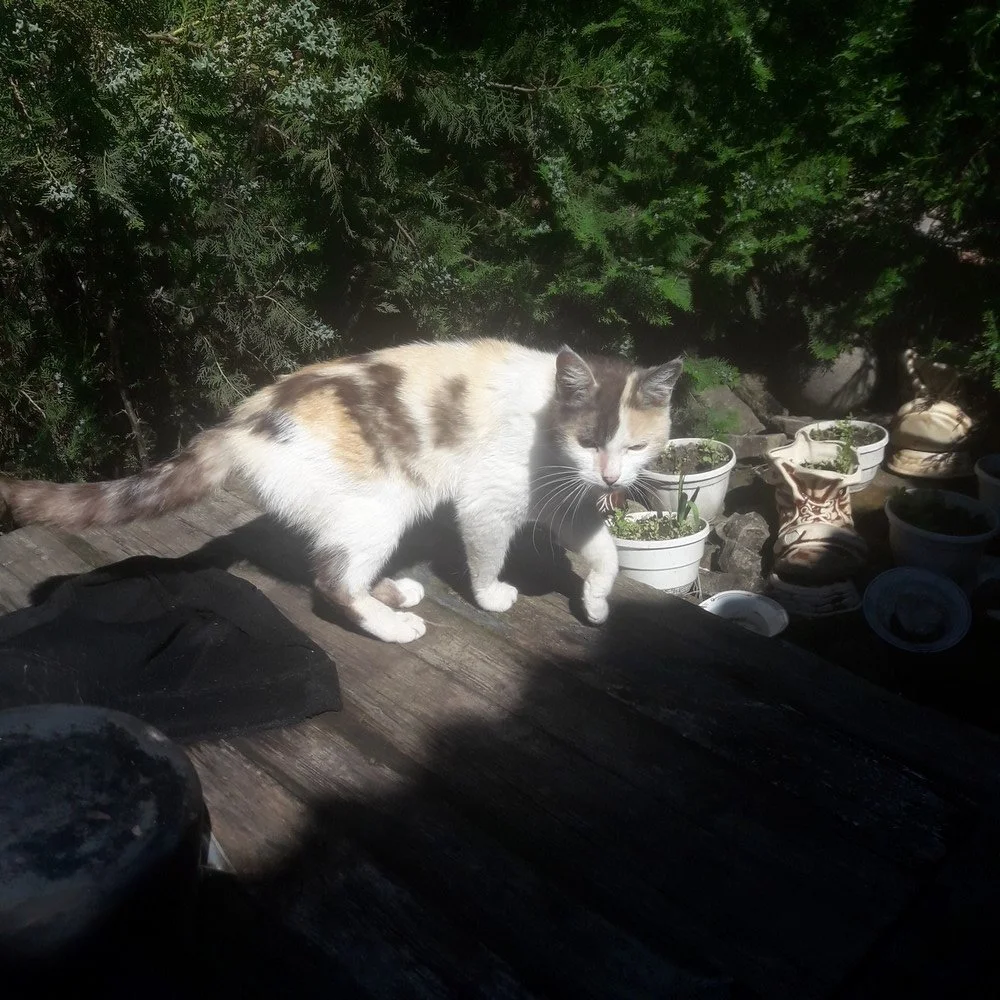
"He's dead!" my wife sobbed like a child, holding our cat, "Musyusik," in her arms. He was flat and in an unnatural position.
"They ran him over with a car. I found him on the street," she told me.
One of the cat's eyes had popped out of its skull, while the other had sunk into its skull. However, there was no blood or other injuries on the cat's body.
I experienced a strange feeling. At first, I didn't understand what it was. Then I suddenly realized it was a feeling of condemnation of death. I had forgotten that death is unnatural, disgusting, frightening, bad. Our cat's sudden death made me remember this!
At that moment, I realized how much I had changed during the war. The war had made death commonplace and devalued life. But my sobbing wife and the dead cat, who had come into our home 10 years earlier during peacetime, reminded me of my natural state of mind.
We buried "Musyusik" at the end of our garden, in the place where we usually bury all our pets. The wild stones became a tombstone for the cat. But there's no tombstone for us yet. We must live, even though we often don't want to.
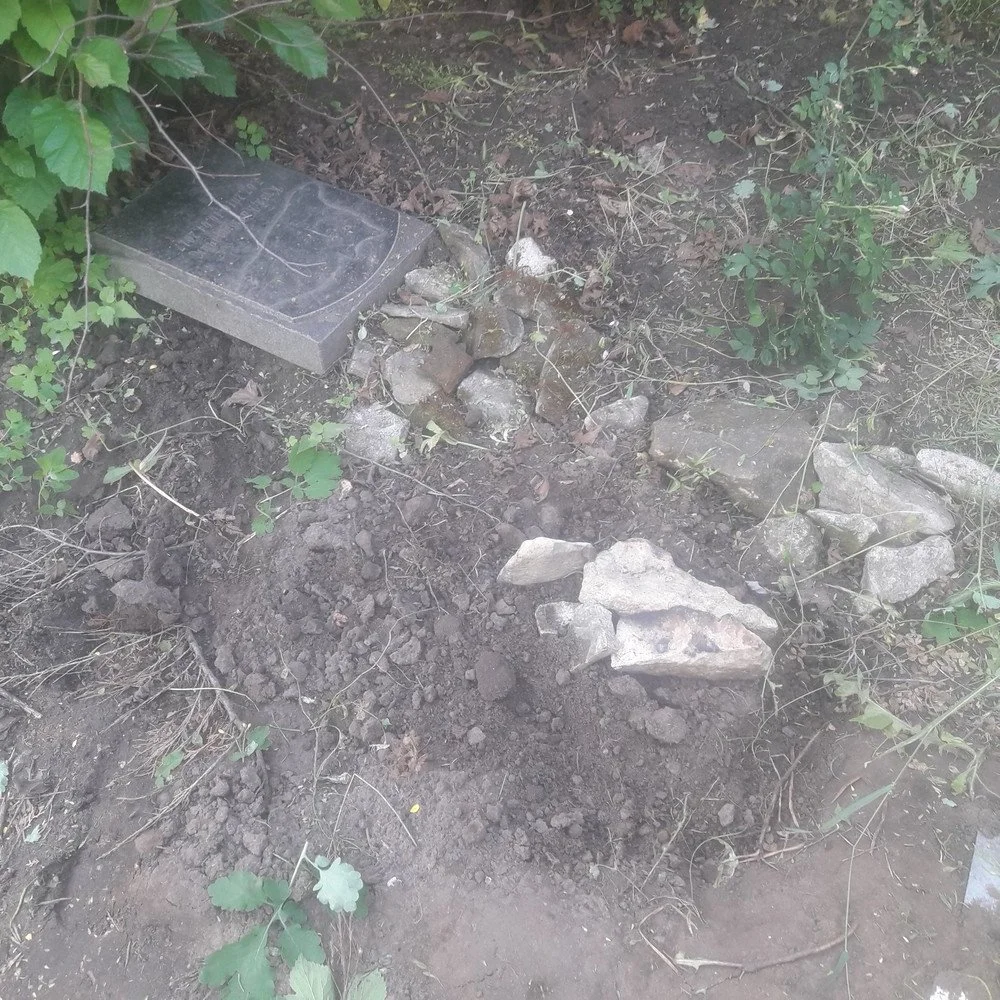
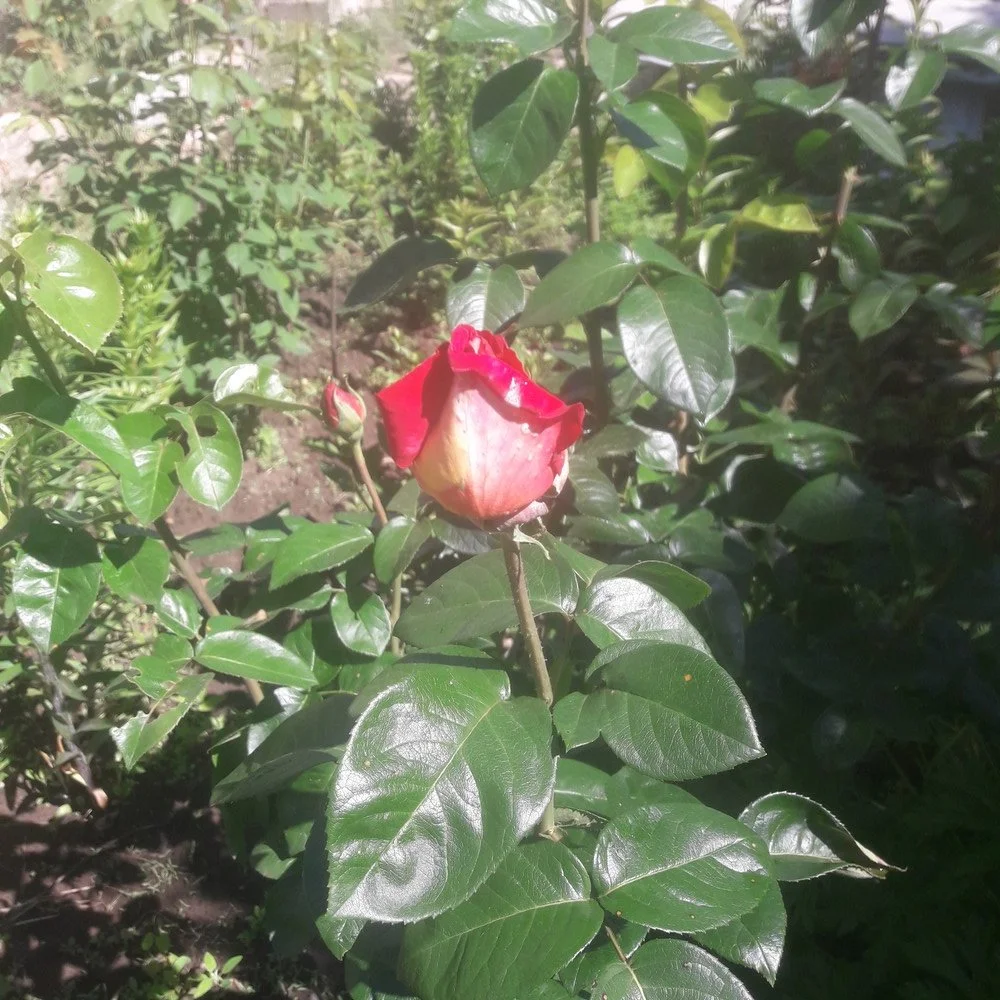
Our pet cemetery. Here, in a secluded corner of our garden, are buried the cats "Kuzya," "Princess," "Seryozha," "Filya," and "Musyusik." The dog "Busya" is buried a little to the side. Next to the cemetery grows a large hazel bush and two rose bushes. The stone wall of a neighbor's shed completes the landscape. It's always shady and quiet here.
Children of War
When civilians encounter war, events unfold according to three scenarios. The mildest scenario is death as a result of military action. The moderate scenario is fleeing the war to the rear. The most severe scenario is living in a war zone under military rules. We have become participants in this third scenario. And we have been participating in this spectacle for so long that we have become children of war.
One day in May 2026, I suddenly realized I was afraid of the war ending. This happened because I began to doubt my ability to live in peacetime. Incredible! War sucks me in like a whirlpool. At first, I feel scared and uncomfortable, and I want to run away. This state lasted for about the first year of the war. Then the war begins to irritate and anger me. But I don't want to run away because I become accustomed to it. This state lasted for the second and third years of the war. In the fourth year of hostilities, I became addicted to war.
At the time when my life was most threatened and I needed to evacuate, war embraced me with its strong arms and made me fall in love with it. It's an embrace of death, and it's incredibly beautiful. I take everything war gives me for granted. And everything outside of war seems unnatural and strange to me. Yes. That happens.
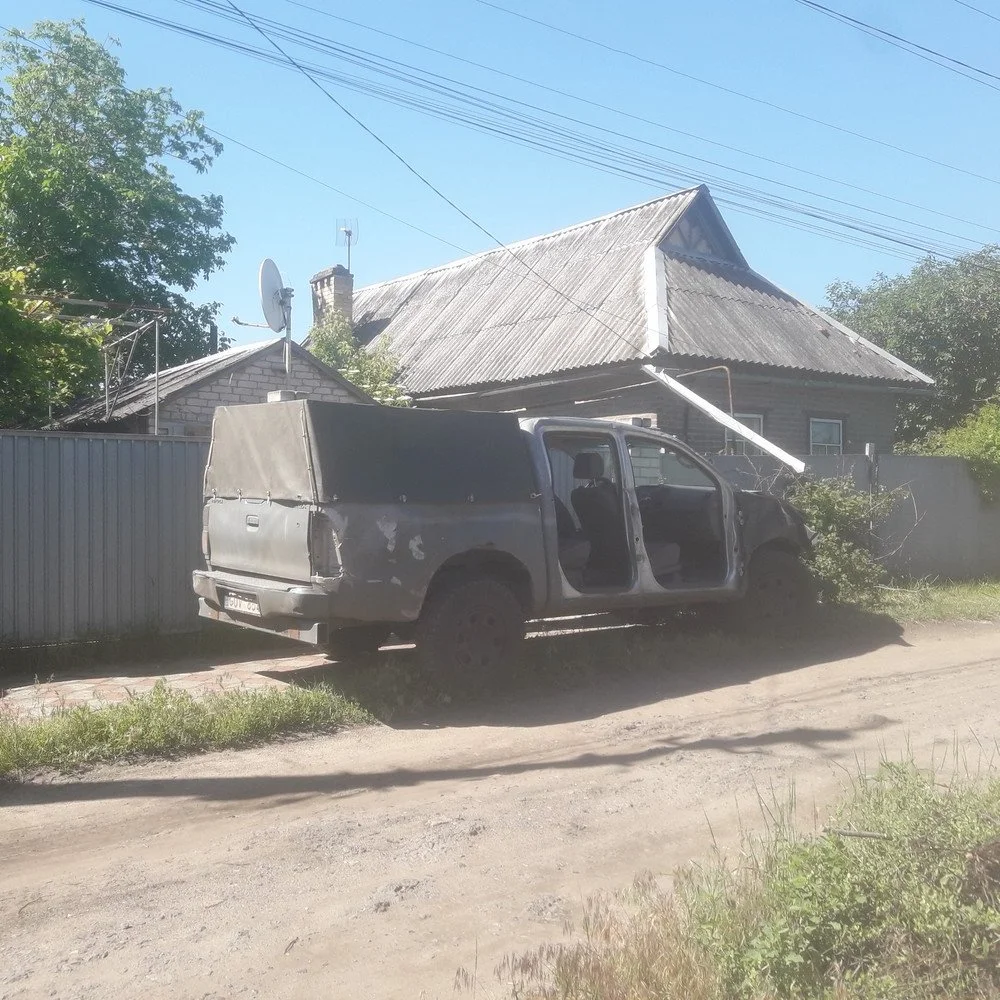
A damaged military pickup truck in front of our house. This is most likely the vehicle that hit our cat. It's the only car nearby whose headlights don't work. Perhaps that's why the cat didn't see the truck beforehand and was hit. We first noticed the pickup abandoned on the street where the cat died. The next day, someone dragged the pickup to our house. Then the military took the pickup truck to an unknown location.
This morning I walked out of my yard and saw a damaged military pickup truck parked across the street. I don't know when or who brought it to my yard.
"I wonder. How will my neighbor get his car out of his yard? The pickup truck won't even let him open the gate," I thought.
My wife and I didn't even discuss it. There are more interesting things in our lives.
Last week, when my wife went out onto the porch late at night to call our cats inside, a bullet whizzed past her ear. It was truly interesting. After all, the shot wasn't heard, and no one knew when my wife would come out onto the porch. A stray bullet fired from afar. What could have caused that shot?
Of course, after that incident, I forbade her from going out onto the porch at night and asked her to call the cats from inside the house with the front door slightly open. But would she listen to me? Of course not!
On May 30th, we were having dinner when an enemy drone started flying near our street. Ukrainian soldiers started shooting at the drone. A heavy machine gun and several AK-47 assault rifles were in use.
"It's always the same thing. Why are they shooting at these drones? They can't shoot them down. But they're giving away their positions, showing the enemy where they are," my wife said.
"Honey, the government pays a reward of up to $2,500 for shooting down a drone. These guys are trying to make some extra money. And of course, they're nervous about the drones," I replied.
Late in the evening, it was my turn to participate in a drone game. An unidentified drone hovered right above the house while I was working on the computer. I got up from the table and went to make some tea.
Last year, I decided not to turn off the lights in the house or hide anywhere if I heard the sound of a drone's engine. A drone operator can see brightly lit windows in the house. If I turn off the lights, the drone operator might assume people are hiding, meaning they're military personnel who need to be targeted.
So I decided to remain carefree and leave the lights on. I have nothing to fear. The brightly lit windows of my house say so. And in my house, no one turns off the lights when drones approach. This is my method for dealing with combat drones. So far, this method has kept me alive.
But we've come a long way in adapting to war. Five years ago, before the war began, my life today would have seemed insane. But in 2026, it seems normal to me to listen to gunfire and discuss the soldiers' actions while eating dinner or making tea.
The other side of the coin
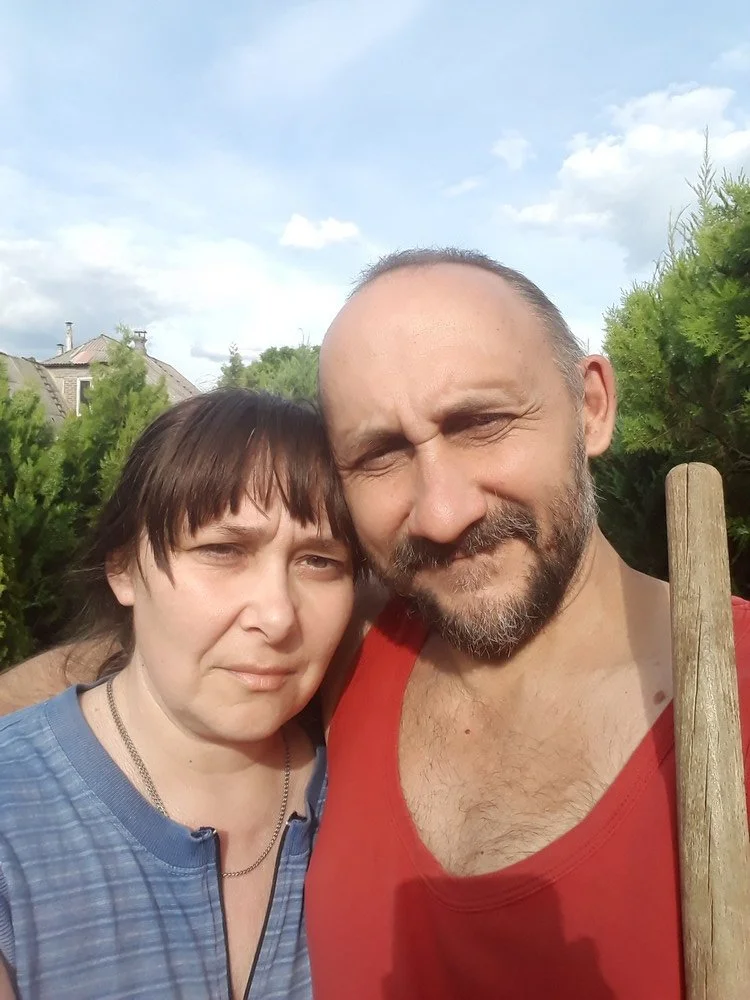
The war has left us feeling strange. But beyond this ambiguous assessment of the war, I can say the following: Our marital relationship has become much stronger and better. War is a serious test. My wife and I are going through this together and it brings us closer. Sometimes we laugh and say that one year of marriage during the war is like three years of marriage in peacetime. I'm 49 and she's 45. But in our perception of family life, it feels like we're 70!
The cat situation exposed my weaknesses. My wife was overly upset by the cat's death. I'm to blame for her great pain. I don't pay enough attention to my wife. She lacks love and attention. She found salvation in the cat, exaggerating its importance in her own life. I'm to blame for this.
I'm not a good enough husband. I need to pay more attention to my wife. Be more sociable, more affectionate, more sincere...more, more... I told Svetlana about all of this. She agreed with me. And our marital relationship became even stronger. Our cat didn't die in vain. We understand the lesson that fate had prepared for us.
The same spiritual and intellectual growth is occurring in all other aspects of life. For example, we are completely repulsed by politicians' attempts to manipulate our understanding of the war.
This has alienated us from official television, which tells us how to correctly understand current events. We have begun to rely on our own experience of living in a war zone. This has changed us even more.
We share the philosophy of people who have lived their lives, even though we haven't yet reached 50. We understand that we will die and the world will go on after us. This leaves its mark on all our desires. We want to do something useful for society, something that will remain after our death.
Instead of a house by the sea, we would like to build a church so people can pray to God in this church when we are no longer alive. We think more about what we will leave as a legacy for our relatives than about what we can buy for ourselves. Goodbye to dreams of a beautiful life. Long live dreams of spirituality. That's what war has done to us. I don't know if peacetime can return everything to normal. And it's unknown whether we will live to see peacetime. But it's clear that war has accomplished something incredible. The mission of war - death - has improved our understanding of life.
References
1. https://thebigapplegazette.com/donald-trumps-most-thankless-and-dangerous-job/
Observing official propaganda led me to the horrific conclusion that politicians' power rests on voters' low awareness of events.1