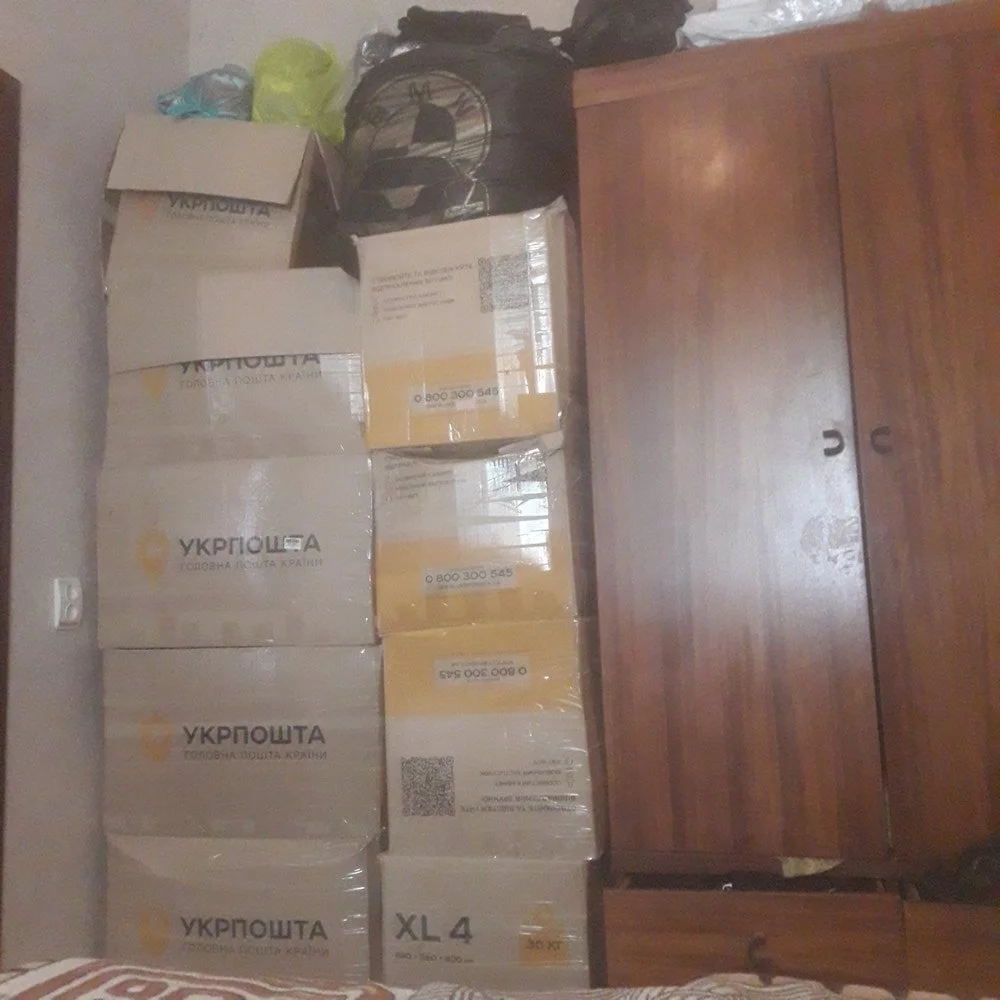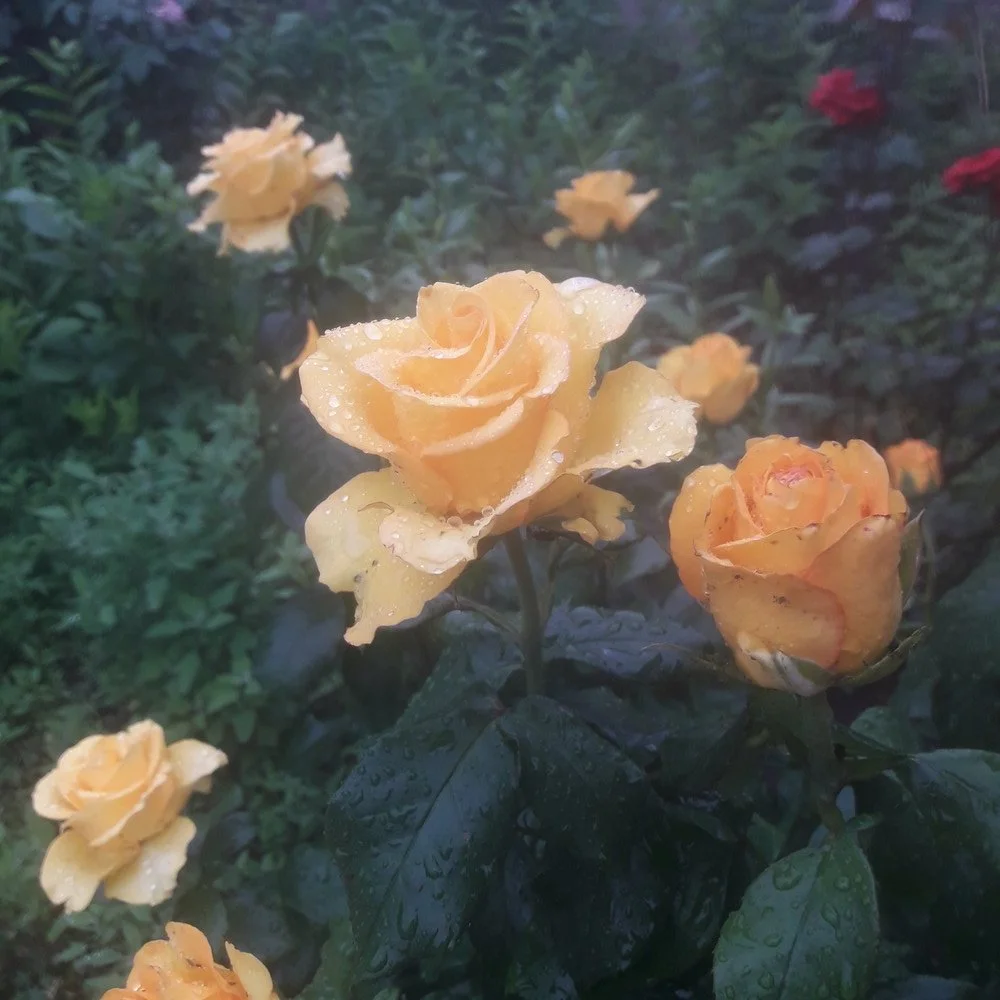

a plot of land
Written and Photographed by Pavel Kaljuk
June 21, 2026
Journalist Pavel Kuljuk, who lives in Kramatorsk in the Donetsk region, shares with The Saint his day-to-day experiences in the midst of war.
We saved our strength to think about the prospects of post-war life. Instead of simply fleeing Kramatorsk to the country, we are thinking about moving near the EU border and finding work in Slovakia.
In war, changing operational conditions requires changing yourself. And that's never a good thing. It requires additional resources when resources are scarce. This week, we had to endure this test.
"It's already 10 o'clock in the morning and the garbage truck still hasn't arrived," my wife said worriedly. The garbage collection was almost two hours overdue. "Maybe they stopped picking up trash on our street, too?"
"I hope that's not true. There were no reports that our village is in a zone where garbage collection is cancelled," I said.
That day, the garbage truck was delayed due to a drone attack on our village. The fighting has gotten so close that authorities have canceled garbage collection and reduced bus routes in some areas of Kramatorsk. Bus routes 11, 32 and several others have been reduced. The forced evacuation of children has begun from the villages of Malotaranovka and Gorodeshchino.
The Russian army has come so close that Ukrainian army rear units have begun to withdraw from the city, deep into Ukraine. For the first time in 15 years, the number of Ukrainian troops in our city has begun to decrease. This doesn't make us happy. This is happening because the danger is increasing. Economic problems have risen, while rental demand declines.
Drone attacks are occurring dozens of times a day, which has created chaos. Ukrainian soldiers are firing at the drones from all sides. Downed drones often fall on civilian objects, which increases the risk of accidental death.
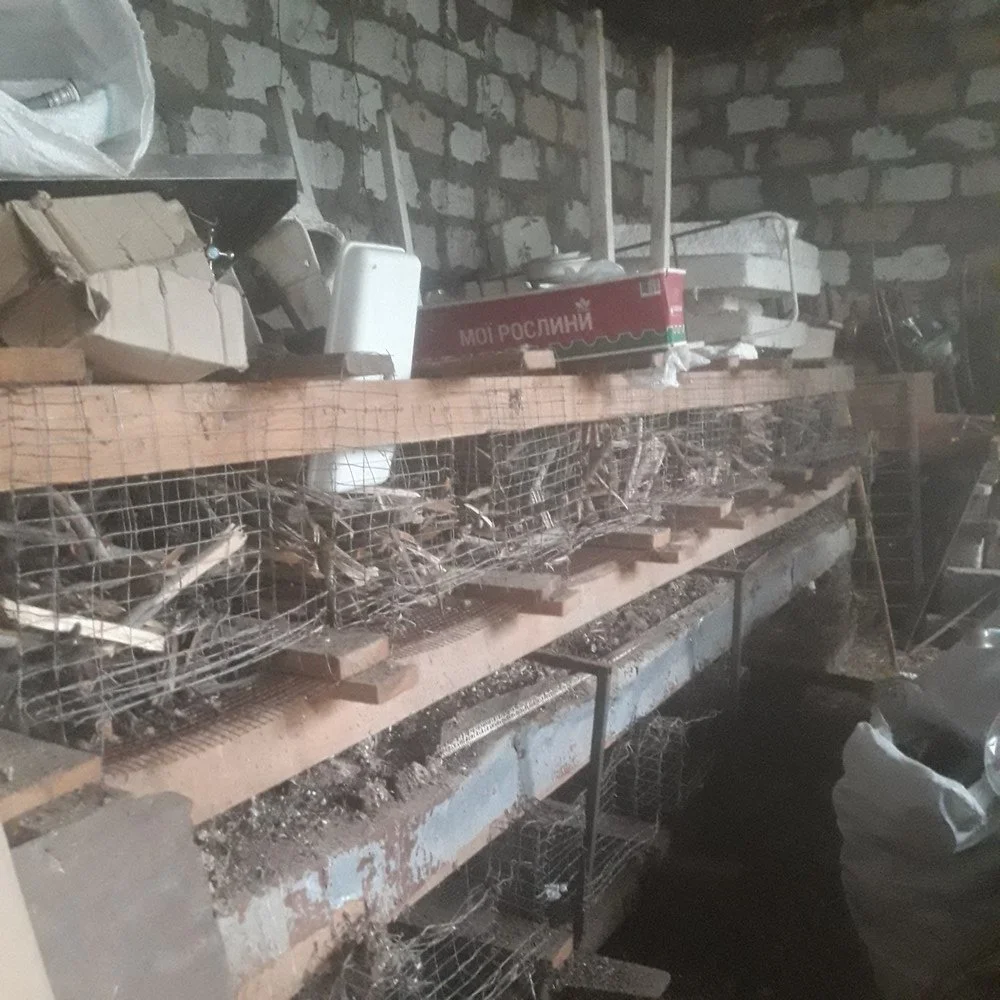
Empty quail cages in our barn. Before the war, we had a quail farm. We raised about 1,000 quail. During the war, raising quail became unprofitable. Firewood is stored in the empty cages.
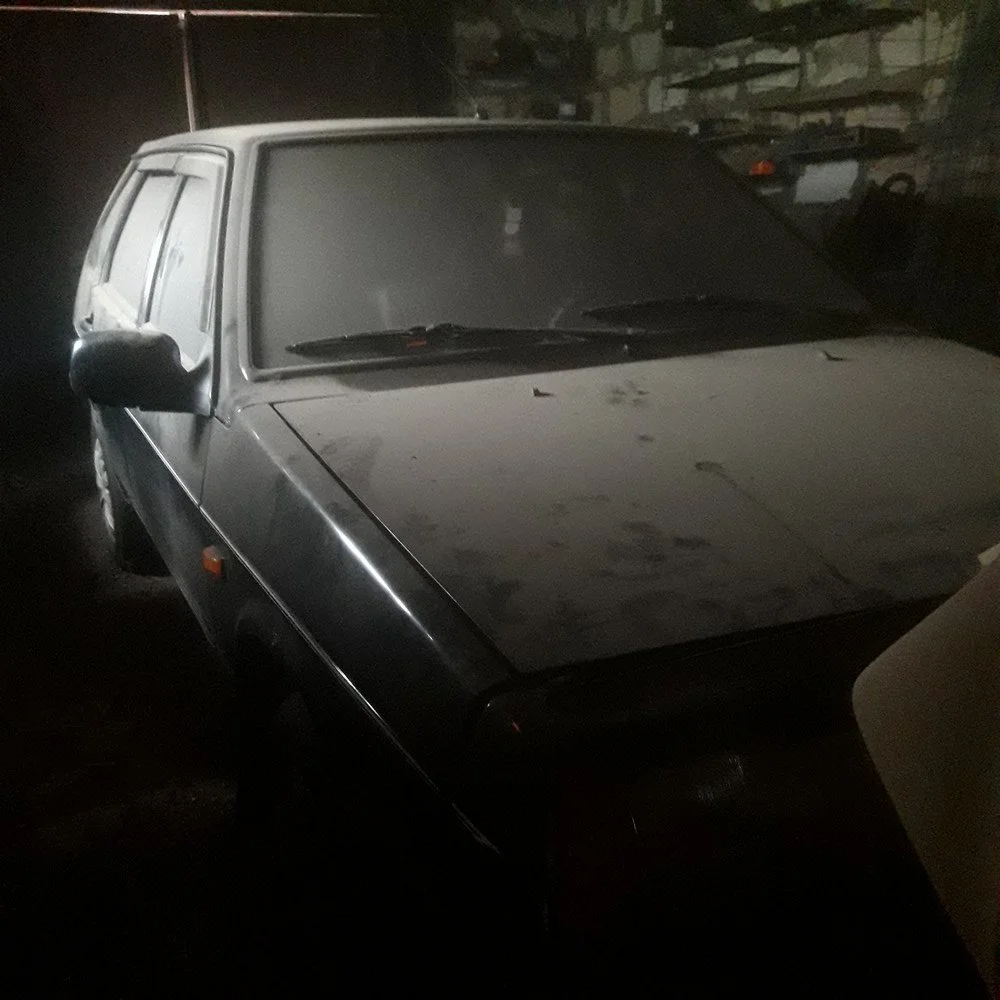
Our old '92 VAZ 2109. We bought it for $1,400 before the war. We don't use the car during the war. It's very dangerous. The car's battery no longer works. We need to buy a new battery to see if the car will run. We hope to leave Kramatorsk by car if we have enough money.
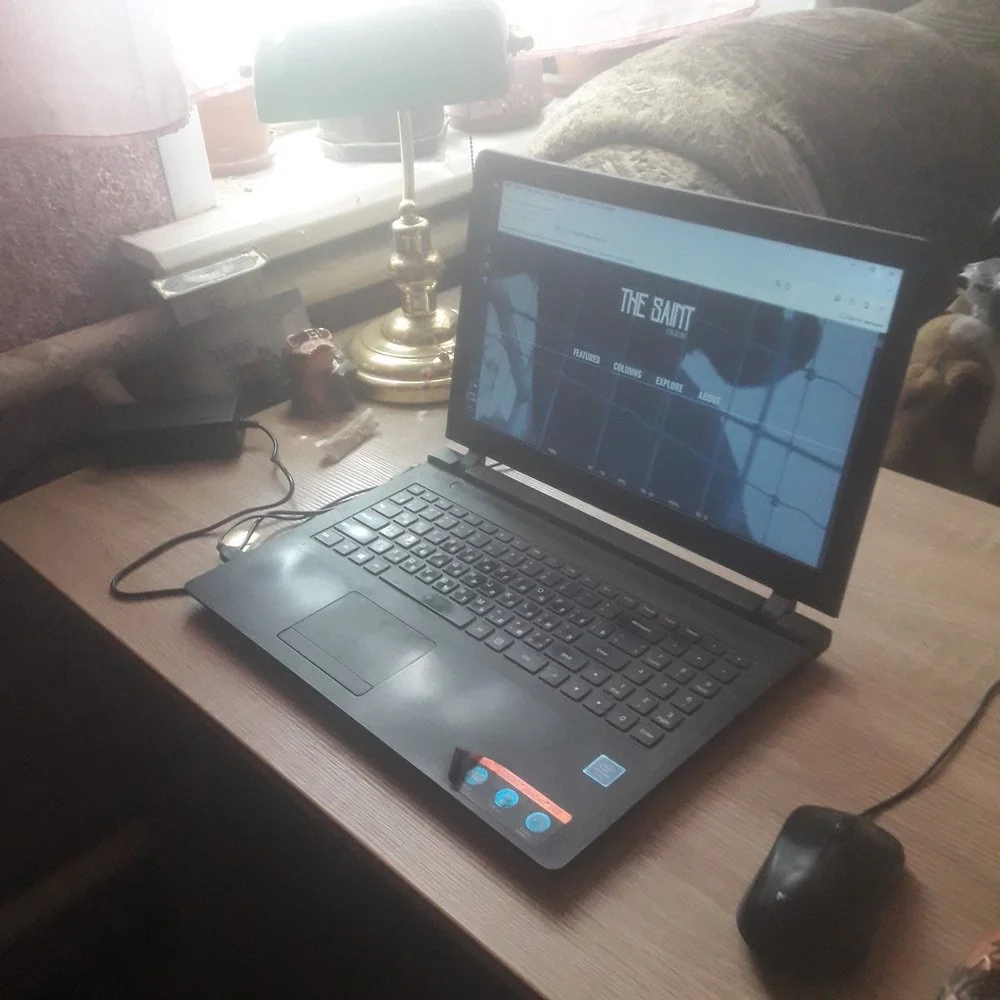
My workstation is at home. I use a laptop I bought 10 years ago. This primitive computer is at its limits. Fortunately, it still works. If the laptop breaks, I have two spare desktop computers and one monitor. However, this equipment is even older than the laptop. I don't throw out old computers; I upgrade them and store them for emergency use.
Advances in technology allow Russians to use drones even to destroy ordinary cars. Trucks and minibuses are being targeted especially frequently. Many military personnel have begun using their personal civilian vehicles because green camouflaged military vehicles are highly visible.
Military personnel try to park their vehicles as far away from their homes as possible. Very often, Russians destroy these vehicles along with the houses they park next to. A vacant parking space near your home can be your death sentence. Social media moderators are asking residents to be vigilant about whether someone else's car is parked near theirs.
On June 16th, I discovered a strange car next to my garage. The car doesn't belong to any of my neighbors. This car appeared at night, when a curfew is in effect, meaning civilians are prohibited from driving around the city.
Most likely, this civilian car is used by a military man. I could guess where the driver lives, but I didn't wake him during the day because he worked all night and is sleeping. After the car leaves, I'll put a large pile of torn wild grass and branches in the space so no one can park there.
In the current situation, such diplomatic action is the best resolution. Direct demands and disputes are not the best option. In the past, we have asked a soldier to remove a pickup truck from under our garage door. He did so. Yet another vehicle has appeared there.
Life in war requires a special kind of wisdom. We must act without emotion, while also not forgetting our own interests, especially when these interests relate to security. The whole of Kramatorsk is a war crime scene. The military is stationed in residential areas among the civilian population. This makes it more convenient and safer to serve. I don't blame the soldiers for this. I even make money from this by renting out housing to the military. Civilians and military personnel are closely intertwined in a war zone. We are all children of war!
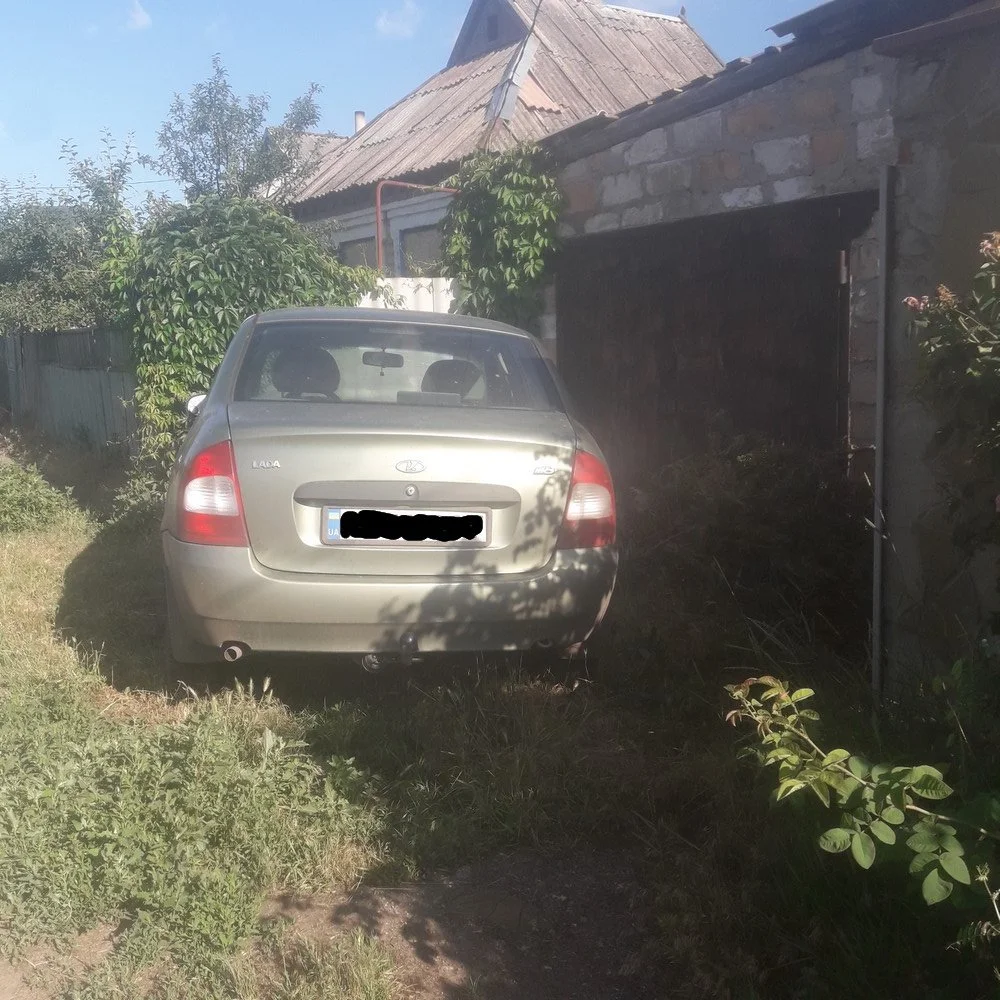
A car with an unknown owner is parked near our garage. It's been parked for four days now. I'm starting to suspect something terrible. Perhaps the owner was injured or killed. So we'll have to wait for the owner's relatives to pick up the car. We might have to tow the stranger's car away from the gate ourselves if we decide to use our car.
The incident with the car, the garbage and the bus routes is a minor matter. The big challenge is breaking away from the war and preparing for life in the rear area.
The changing operational situation has forced me to look for work and housing in the rear. It's difficult. I have to choose between doing so-so or doing great. Doing so-so means buying an old house in a remote village where there's no work.Doing great means buying a plot of land (I won't have enough money for a house) near the EU border, where there's plenty of work.
If the war ends, we won't need a house in a remote village – we will need a plot of land near the EU. We must choose between simply fleeing Kramatorsk or labor immigration. I'm torn between these two options.
There are many opportunities to buy houses in a remote village and, at first, it was the only option. However, my capital has improved, so I can buy property near the EU border. I managed to find a very cheap plot of land within walking distance of the border, just half a mile from the checkpoint with Slovakia. This makes it possible to walk to work in Slovakia. The land has no electricity, water, sewer or gas. There is only a dirt road.
I have a little more money than this plot is worth. It's enough for transportation costs and paperwork. Once I buy this plot, I'll spend all my money, and I'll have to save up for rented accommodation or a metal container converted into temporary housing. However, this seems like a better option than buying a house in a remote village and then abandoning it after the war ends.
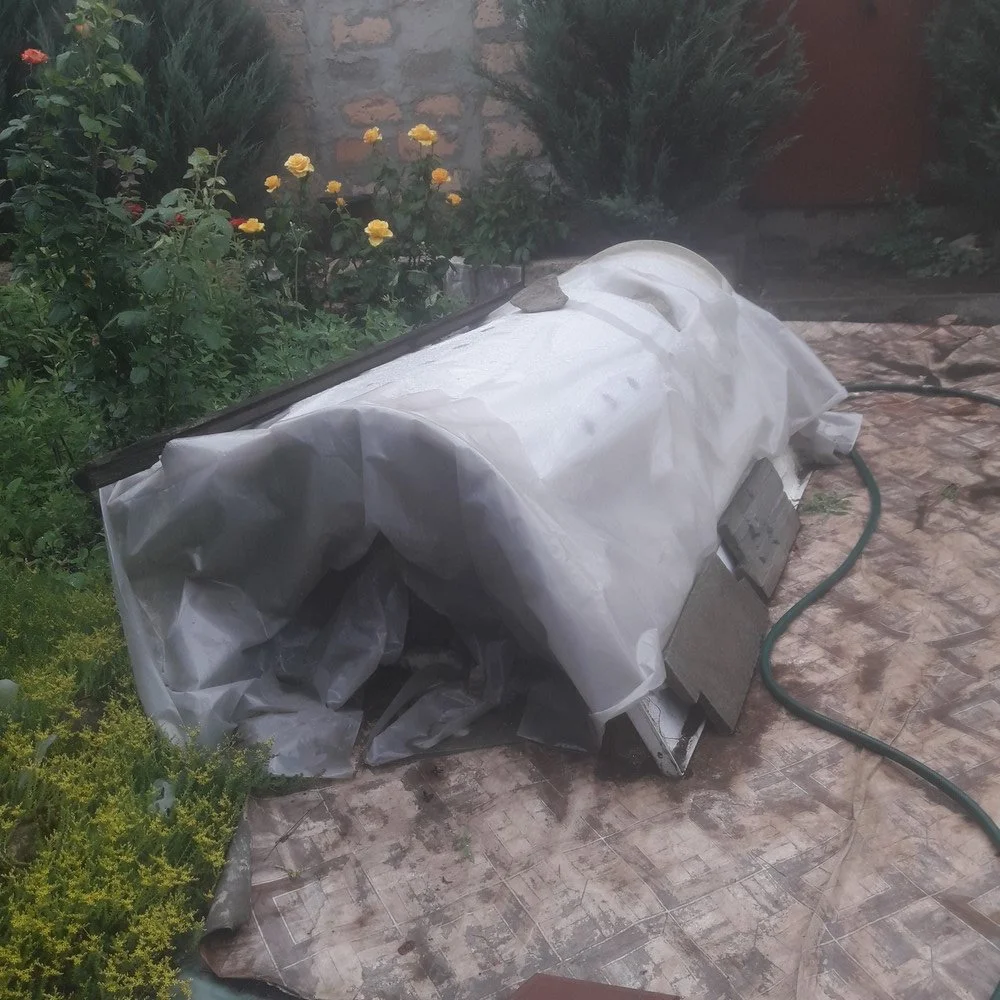
A shower stall in our yard. We bought this shower stall 12 years ago to install in our house in Malotaranovka. We never did because we didn't live in that house. Now I've brought the shower stall to our house. It's lying in the yard, covered with plastic sheeting because we don't have space in the shed or the house. Perhaps we'll take the stall to our new place.
Prospects! That's what makes us complicate our lives. We're willing to live in a metal house without the amenities of civilization in exchange for the prospect of a good job in the EU. And for this, we're willing to give up a rural house with electricity and running water.
You know, it's wonderful that we're choosing our future. It means the war didn't completely kill us. I'm 49 years old. My wife is 45. But we're ready to start life from scratch and strive for the best, rather than look for easy ways and live out our lives in a remote village where there's no work. Unfortunately, many Ukrainians have given up and aren't trying to improve their lives after losing their homes and being evacuated. This is a great tragedy not only for them but for all of Ukraine. An exhausted population is the state's problem.
I'm currently trying to find a job near the land plot. If I manage to find a job there, I'll buy the plot sooner. If any readers have work as a journalist or copywriter, please let me know. I work legally in the U.S. and pay taxes to the U.S. government. The main thing is that while I'm looking for work, no one else manages to buy the plot or the Russians don't kill us in Kramatorsk.
And so another week passed in the war zone. We lived these seven days risking our lives and thinking about the prospects of a future peaceful life.
It’s wonderful that we're choosing our future. It means the war didn't completely kill us.