
Where the Butterflies Are
Written by Shannon Roxborough
Photographed by Chloee Blair
The garden announces itself before you notice the flowers. A monarch drifts low over a stand of milkweed, unhurried, as though it has all the time in the world, which, in a sense, it does, having found exactly what it needs.
From the shaded streets beneath cathedral-sized live oaks to the salt-air gardens of Anastasia Island and Vilano Beach, homeowners are discovering that the plants best suited to Northeast Florida are often the ones that have always belonged here.
The quiet argument pollinator gardens are making is simple: a landscape can be beautiful and useful at once, and the manicured lawn is not the only form outdoor space can take.
"Homeowners have been conditioned to think of a yard as something to be controlled," said Linda Thomas, a garden expert who works with clients across St. John's County. "A pollinator garden asks something different of you; it asks you to notice what's already trying to happen and get out of the way."
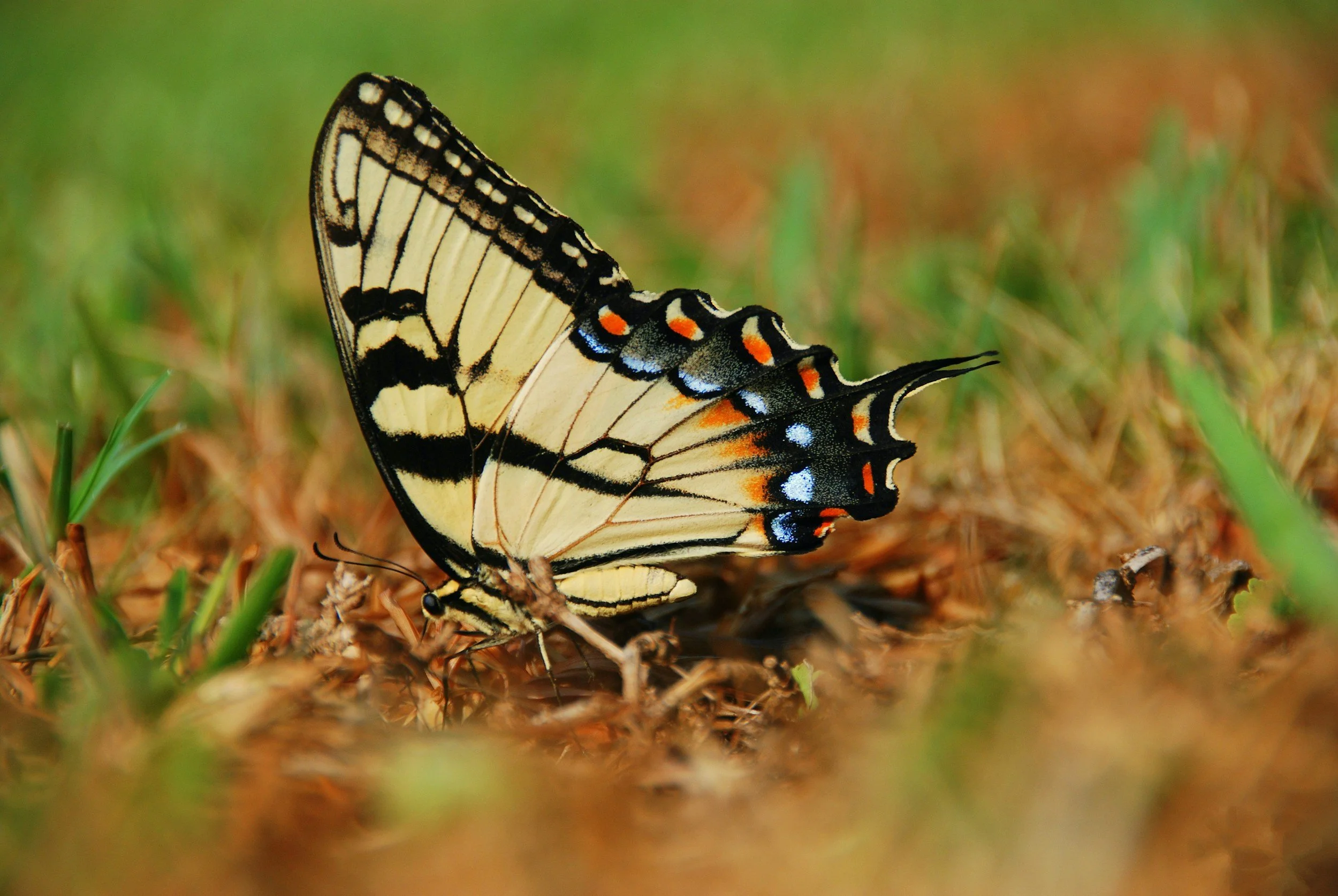
Photo by Ridge
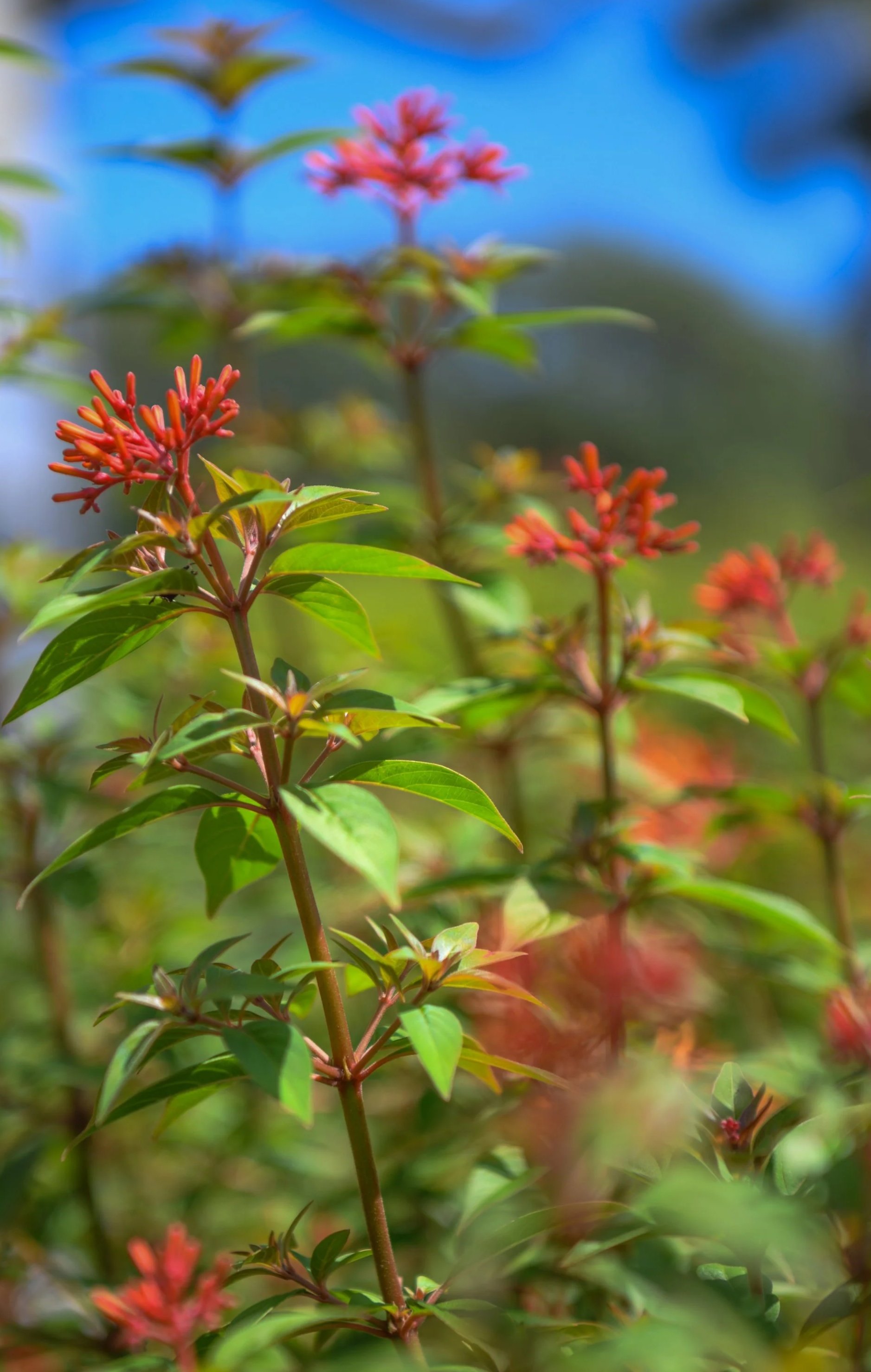
firebush
Getting out of the way, in practice, means choosing plants that evolved alongside Northeast Florida's sandy, often coquina-rich soils, humid summers and predictable afternoon thunderstorms. Rather than working against those conditions, native gardeners learn to work with them.
Thomas, who specializes in using native plants, often arrives carrying muddy Wellies and a tray of Butterfly Weed seedlings, a sandy soil-tolerant species of milkweed that thrives in full sun. She says a handful of easy, reliable natives anchor most Northeast Florida pollinator gardens.
Firebush (Hamelia patens) sends up tubular orange blooms that draw ruby-throated hummingbirds through the worst of summer's heat. Blanketflower(Gaillardia pulchella) spreads low along sandy borders and feeds native bees from spring through fall. Purple coneflower (Echinacea purpurea) draws butterflies in bloom and finches later, when its seed heads dry. And native milkweed (Asclepias tuberosa or Asclepias incarnata) remains essential and singular to the monarch's survival, since it’s the only plant on which the species will lay its eggs.
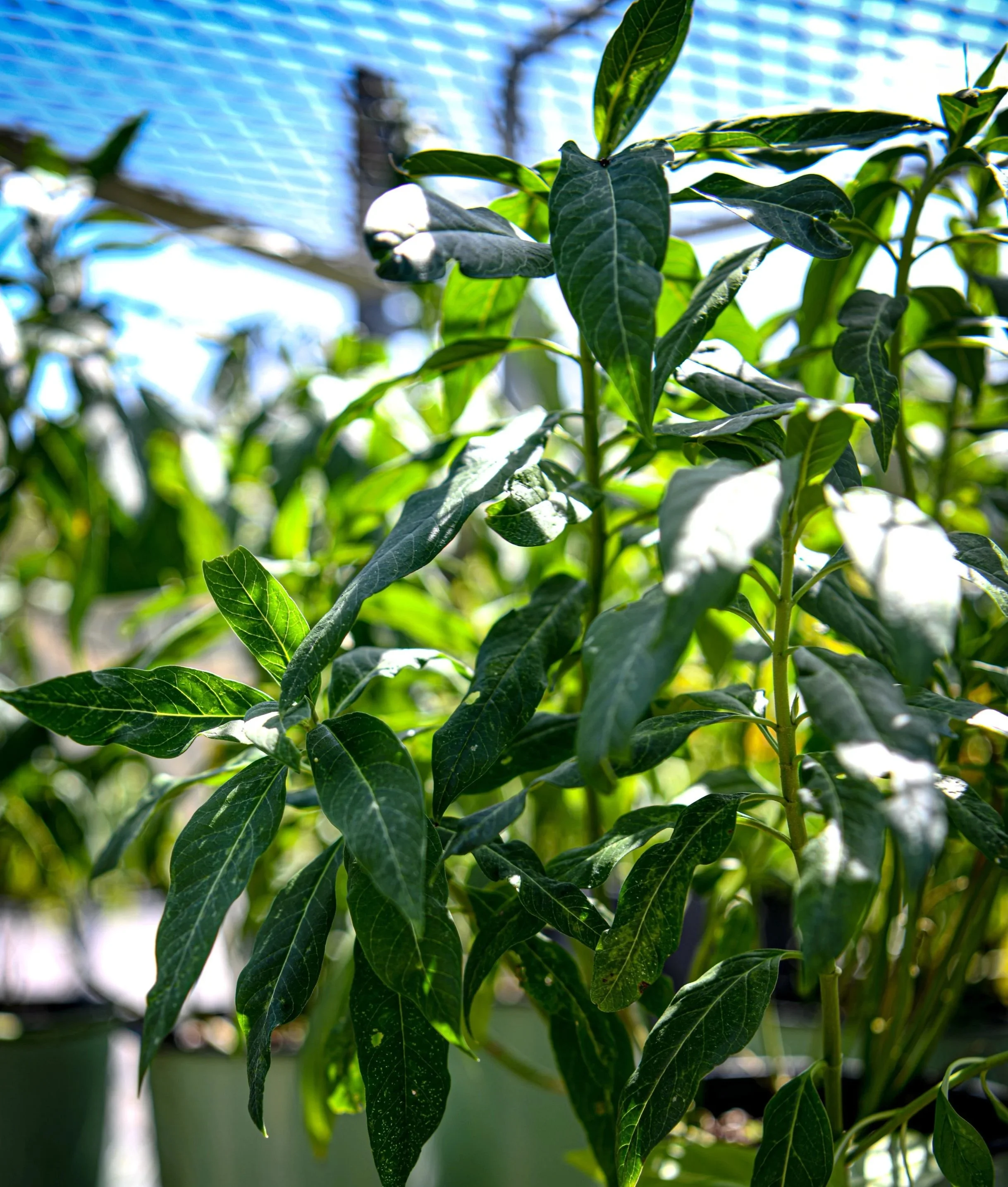
milkweed
"You don't need acreage," Thomas said. "A single bed or a few containers planted with milkweed, coneflower and a nectar source like salvia, can support more life than an entire lawn ever will."
That claim is ecological as much as aesthetic. Pollinator populations, monarchs especially, have declined sharply over the past two decades, a trend tied to habitat loss along migratory corridors that once stretched, unbroken, from Canada to Mexico. Backyard gardens, however small, function as waystations along that route, turning ordinary homeowners into unlikely participants in a far larger conservation effort.
Locally, the payoff arrives in specifics. Zebra longwings, Florida's state butterfly, glide through dappled shade. Gulf fritillaries, another species of butterfly, gather at passionflower vines. Carpenter and sweat bees work the coreopsis and salvia, and hummingbirds, drawn first by firebush, often stay for the season.
"People are surprised by how quickly it happens," Thomas said. "Plant the right things, and the garden fills in with visitors almost on its own.”
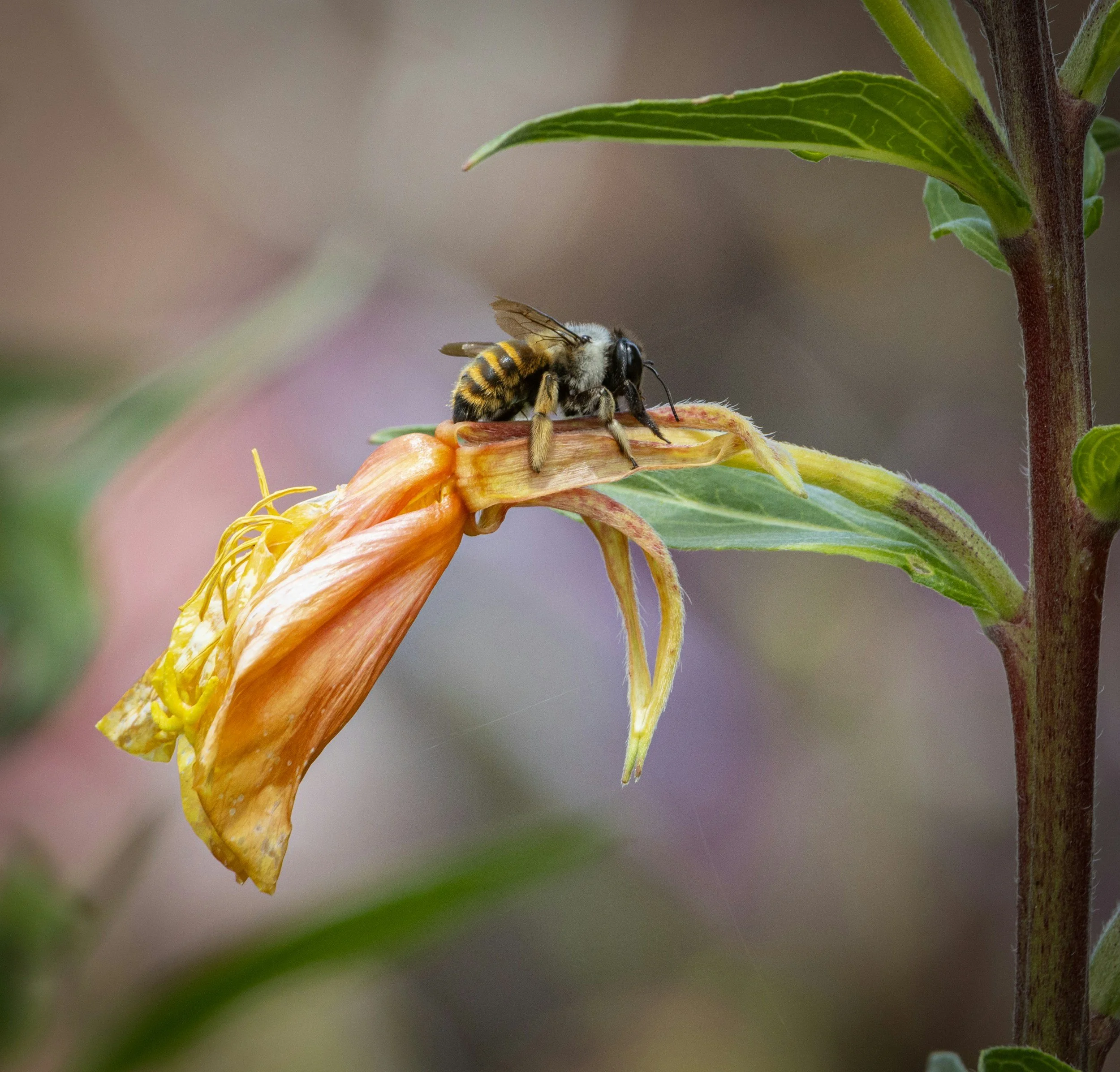
Photo by Alfonso Betancourt
The gardens themselves tend to resist the tidy geometry of traditional landscaping — a looseness some homeowners find unsettling at first — though most come to prefer it by the second season.
"There's an adjustment period," Thomas admitted. "A pollinator garden looks a little wild by design. But that wildness is the point. It's doing something formal trimmed hedges never could."
For those willing to make that adjustment, the reward is a yard in constant, quiet motion, not perfectly controlled, but alive with the rhythms of the natural world.
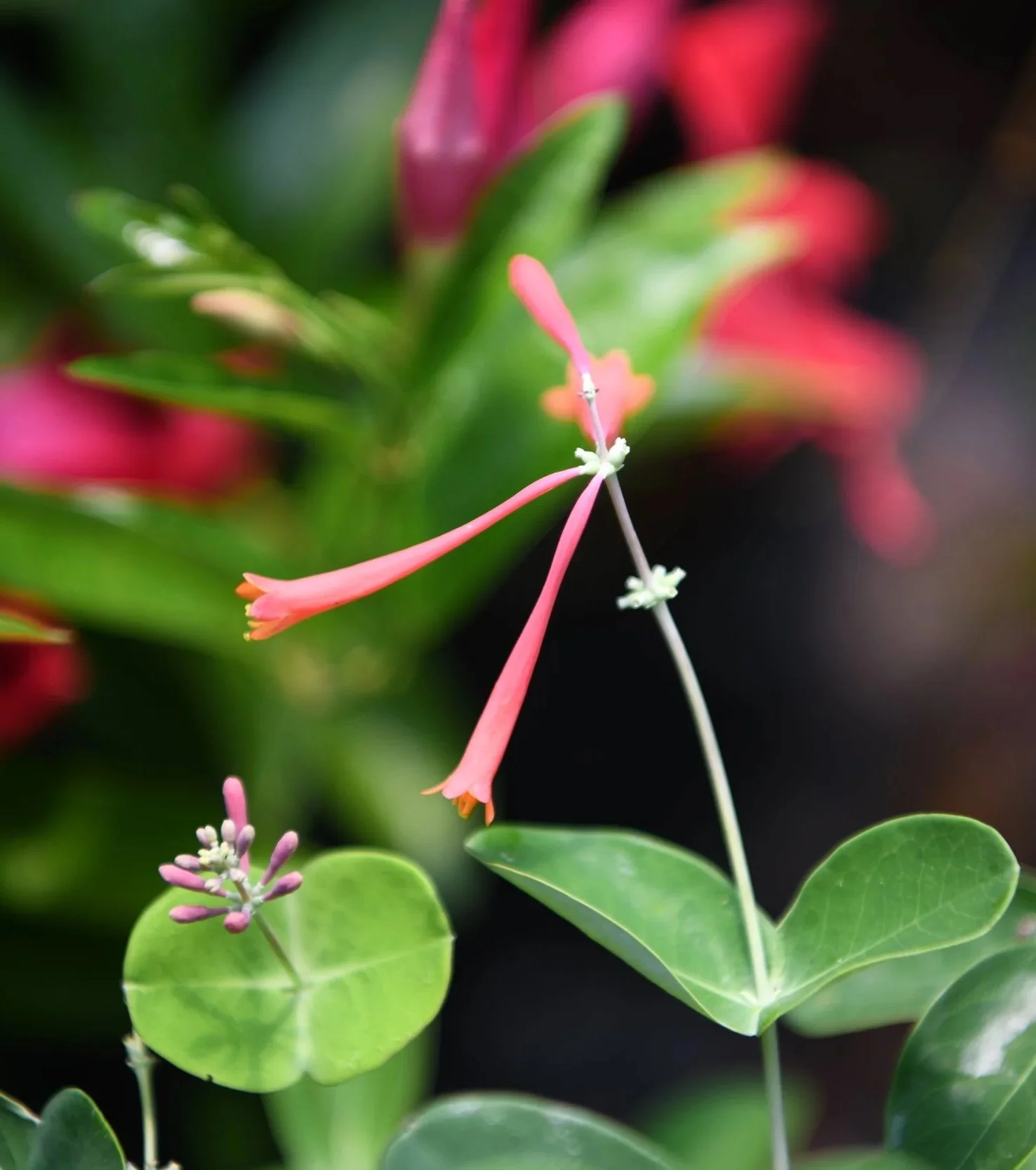
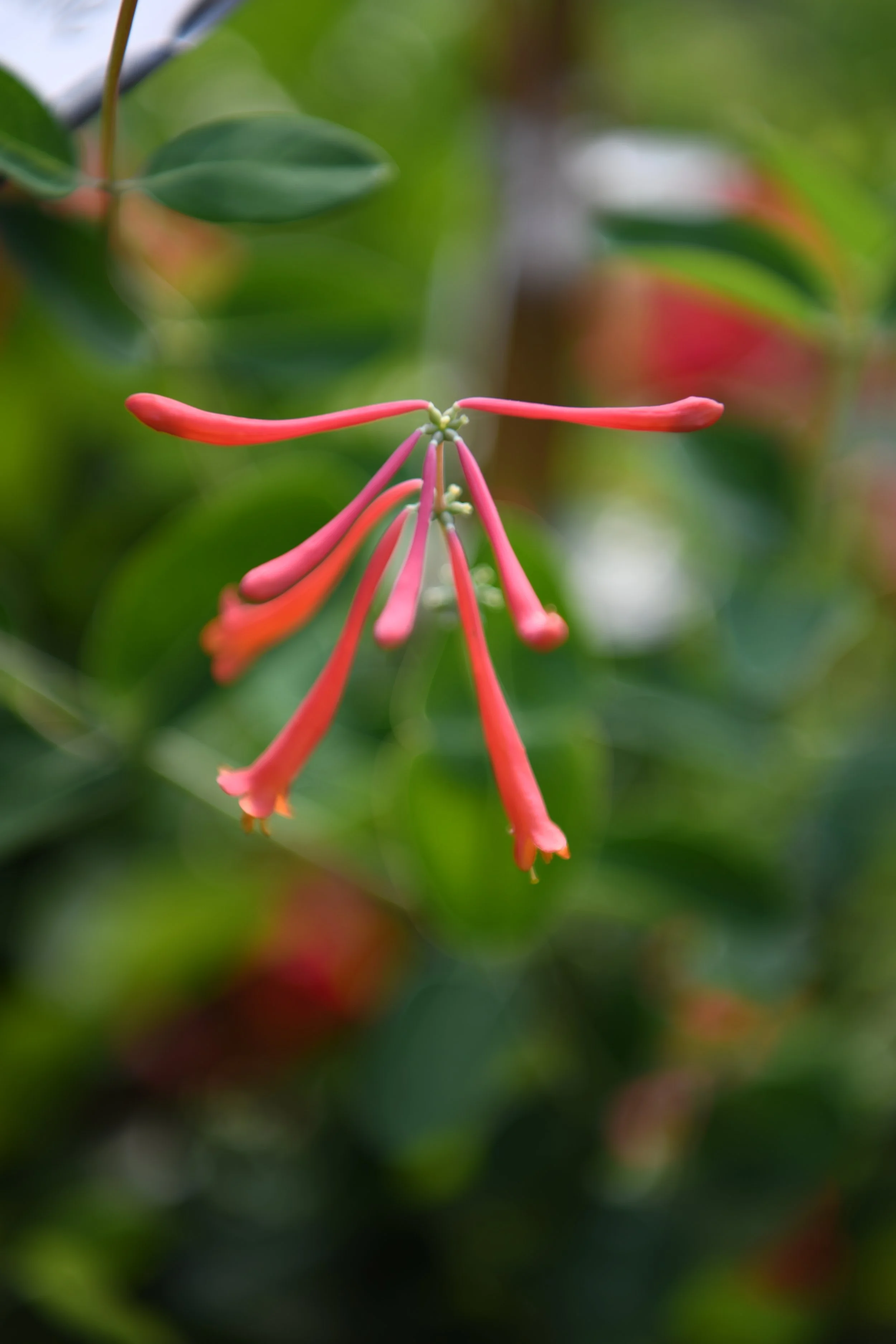
coral honeysuckle
-
Check us out.
-
-
Get seen in The Saint.
Contact us for marketing info.
contact@thesaintmagazine.com
-
Stickers. T-shirts. Shot glasses.
Coming soon.