

Written by Shannon Roxborough
Photographed by Chloee Blair
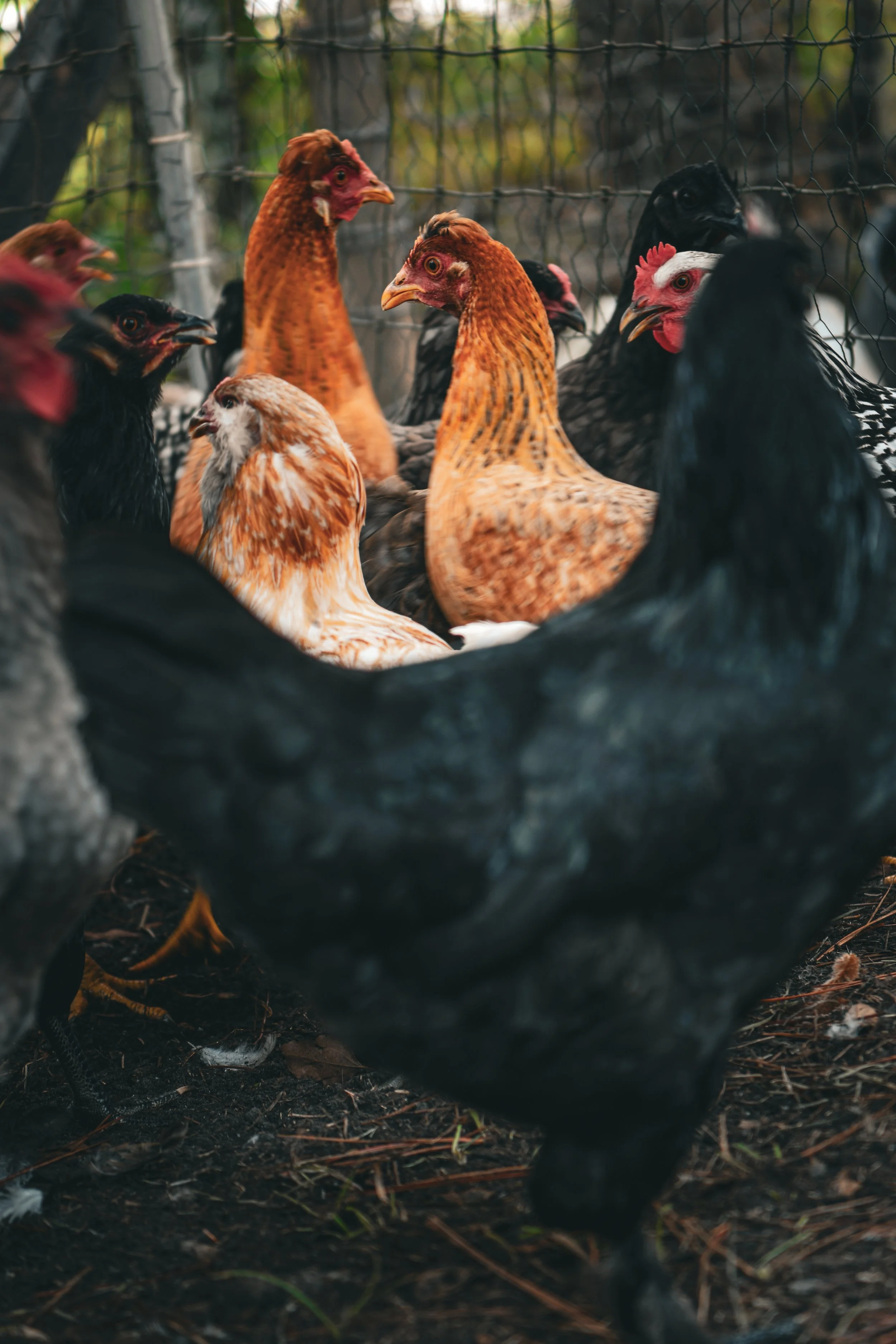
The hens arrive first as sound: a low, contented murmuring that drifts over a backyard fence before a single feather comes into view. By the time the coop door creaks open at dawn, the ritual is already underway with scattered feed, the soft thud of wings settling, and somewhere beneath the straw, the small miracle of a warm egg.
Across St. Johns County, from the older neighborhoods of Lincolnville to the larger lots edging the Hastings farming district, that scene is becoming less novelty than habit. What began for many families as a pandemic experiment has settled into something more permanent: part hobby, part household economy and, increasingly, a way of reconnecting with how food is produced.
"It's a quiet rebellion against commercial grocery store eggs, since people start out wanting fresher, healthier eggs," said Pat Williams,who keeps five hens on a quarter-acre lot near West Augustine, the maximum number allowed in her area. "But what keeps them going is something else entirely: the rhythm of it, the sense that they're producing something themselves."
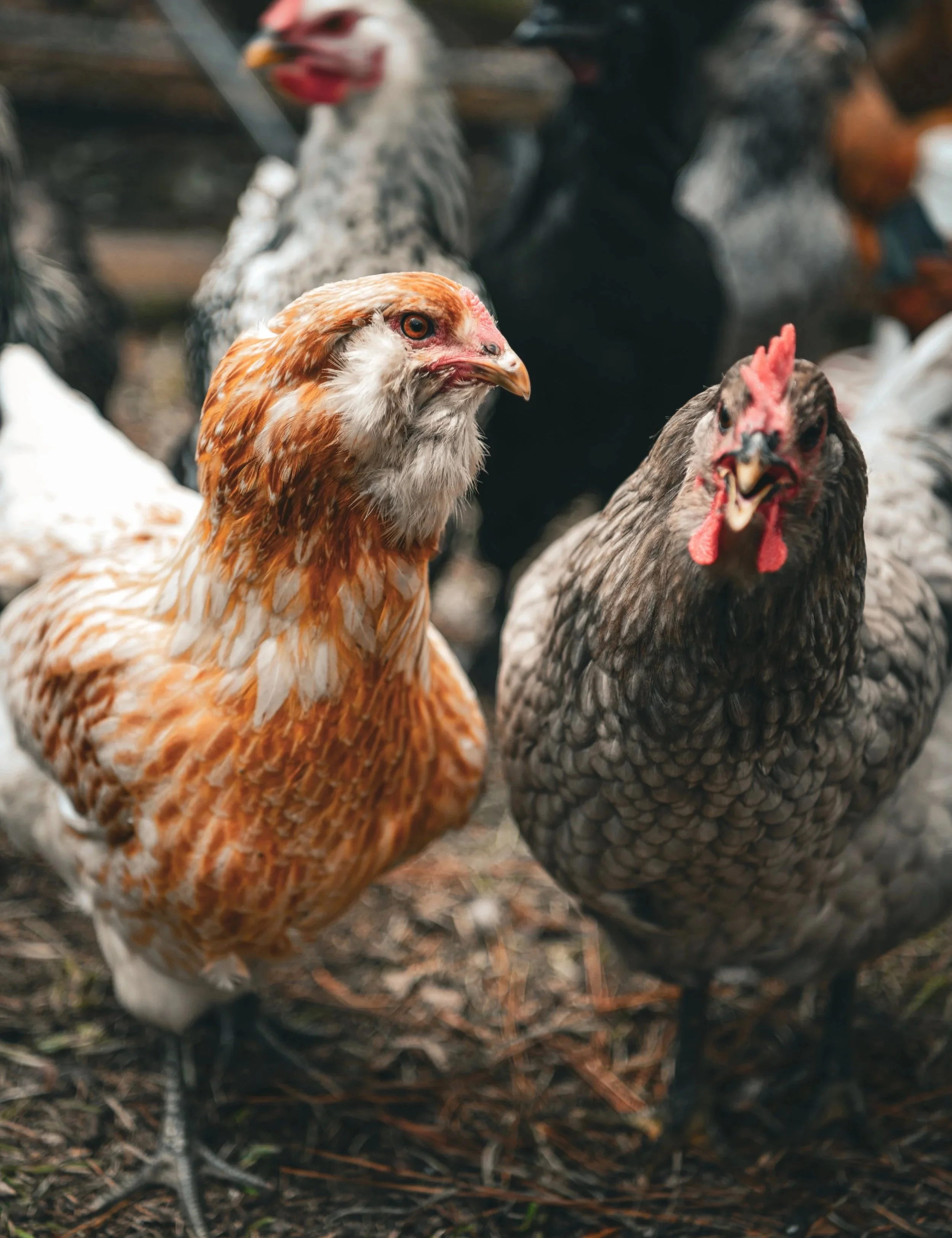
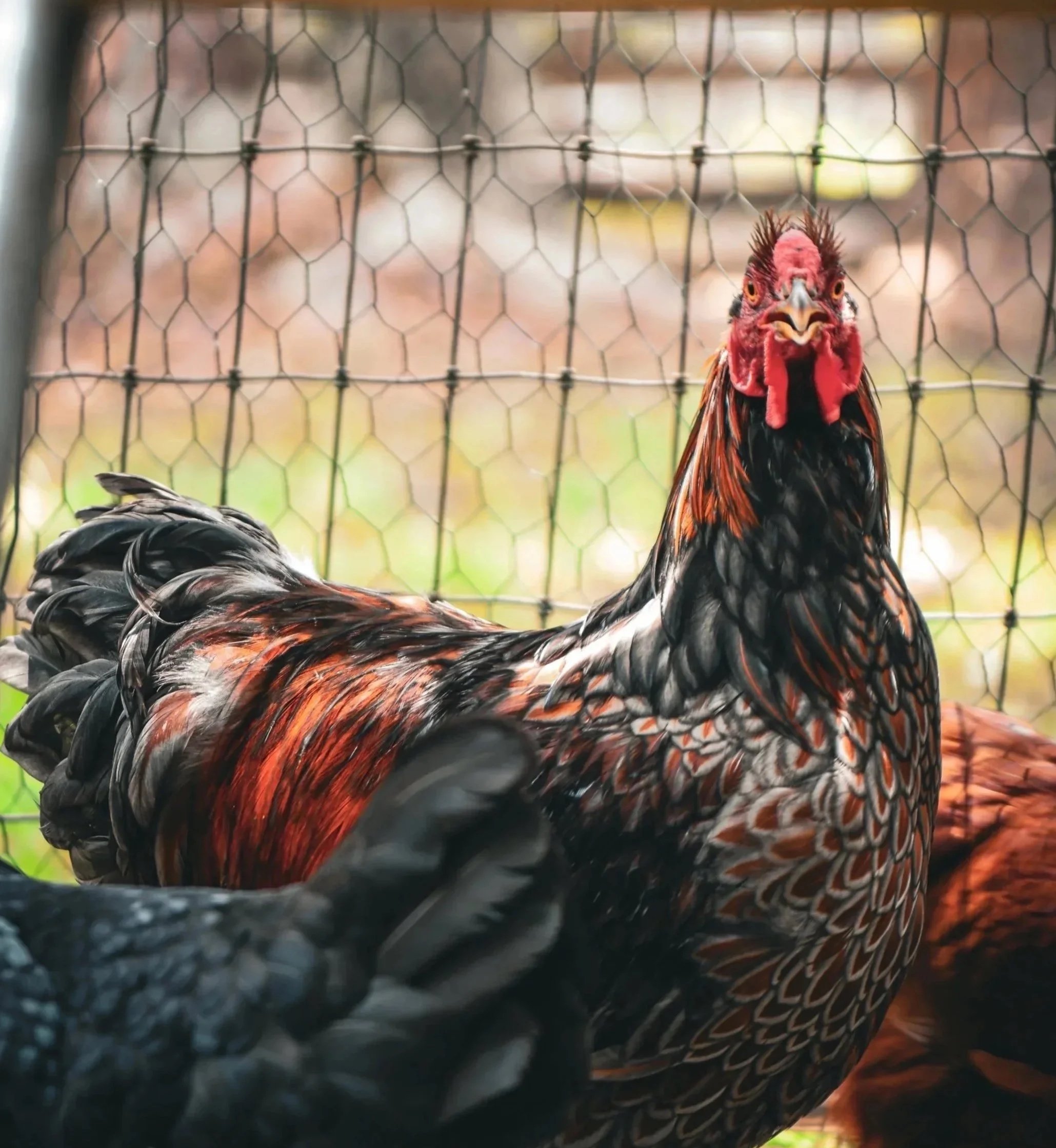
That rhythm slowly reorders a household's mornings. Coffee is poured while the coop is checked, and what begins as another chore becomes part of daily life. For many children, tending a flock is a first close encounter with where food actually comes from.
The hens themselves, Rhode Island Reds, speckled Sussex, the occasional flamboyant Polish with its feathered pouf, become minor characters in the household, each with a name and a place in the pecking order.
The appeal, however, comes with real considerations. A coop requires more than enthusiasm: proper siting, ventilation and predator-proofing to protect against the raccoons, foxes and hawks that treat Northeast Florida's suburbs as their own buffet. "The romance wears off fast if you haven't thought through the practical bones," Williams said. "Drainage, shade, distance from a neighbor's fence line: those decisions matter more than the breed you choose."
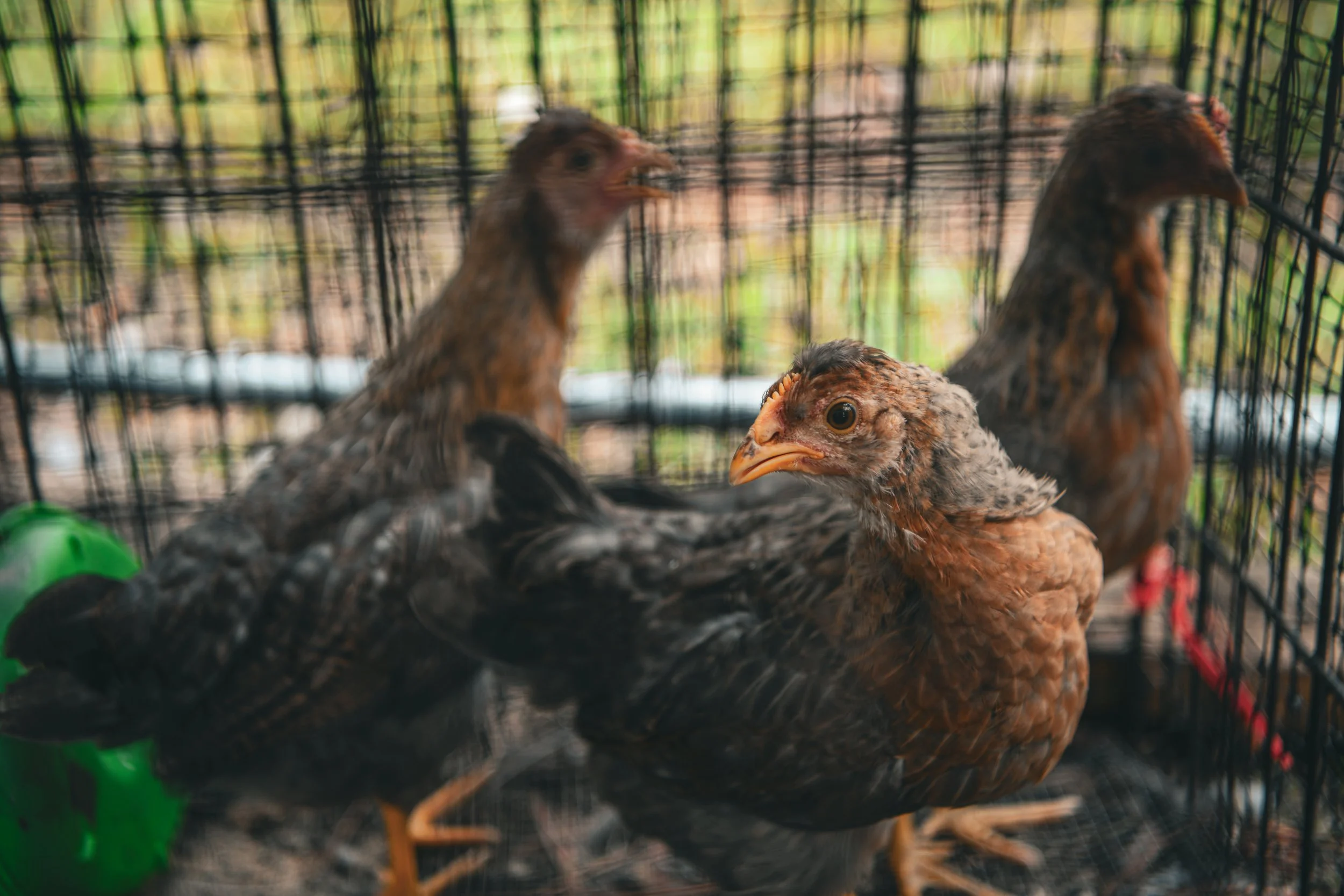
Cost is another factor prospective owners tend to underestimate. A starter coop, feeders and four to six pullets can run several hundred dollars before the first egg appears, and ongoing costs, such as feed, bedding and occasional veterinary care, continue long after. Most owners recoup little of that investment in eggs alone; the return, most agree, is measured differently.
Zoning is worth checking before a single post goes into the ground. Backyard flocks are permitted in many unincorporated areas and municipalities across St. Johns County, though rules on flock size, roosters and coop placement vary by jurisdiction. Local feed suppliers, several of which double as informal consultants on setback rules, are often the fastest route to clarity.
For those who push past the logistics, the reward tends to be less about the eggs themselves - though there is real satisfaction in a carton the color of a Florida sunset, blues and browns and soft greens from a mixed flock - and more about a shift in orientation.
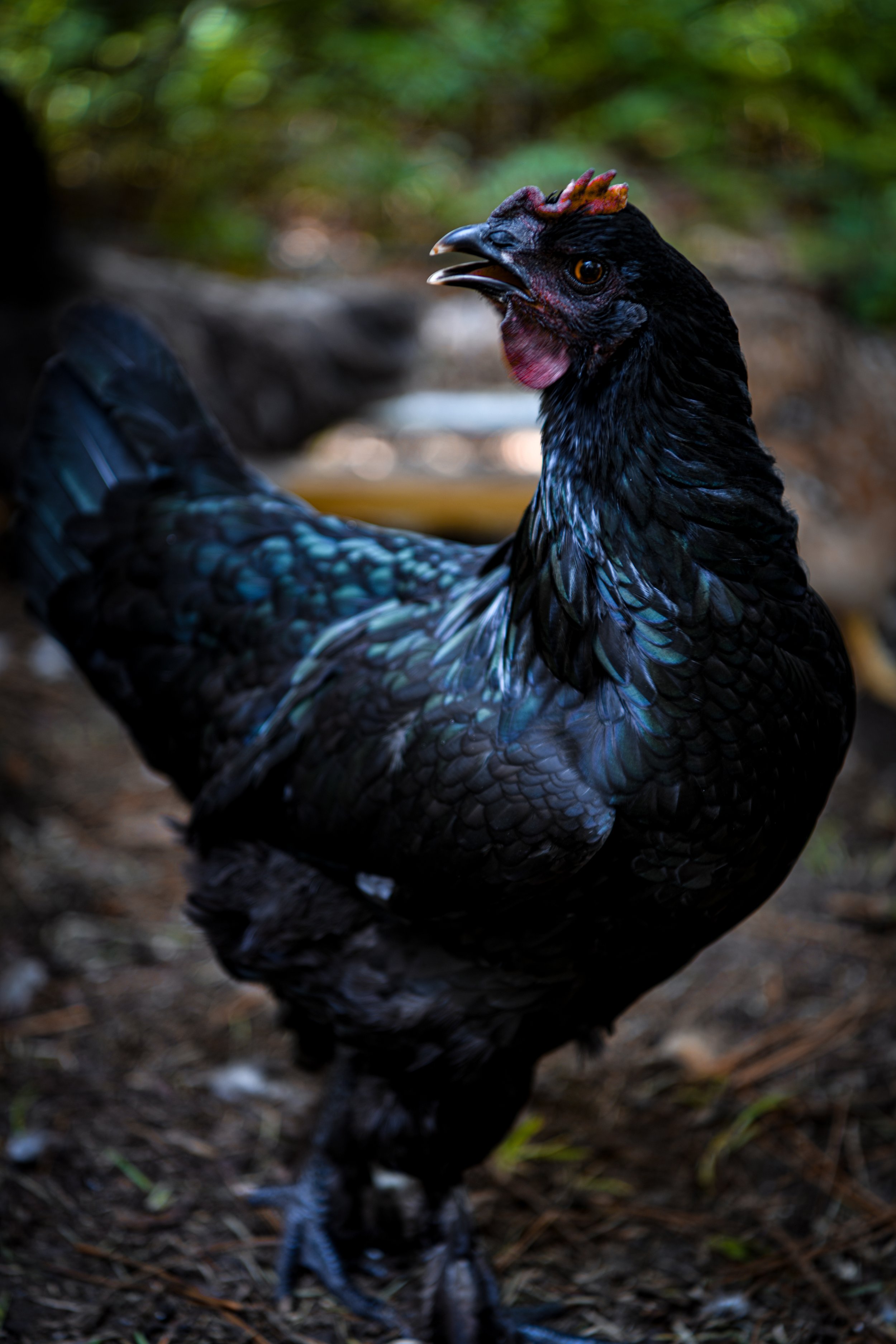
Beneath live oaks draped in Spanish moss, even a modest Old Florida yard begins to feel less like lawn and more like a working landscape. Something to be tended rather than simply mowed.
"It's not about self-sufficiency in some dramatic sense," said Williams. "It's about paying a little more attention to the origin of what we put into our bodies. Once you start, it's hard to go back to not knowing."
What starts with a few hens often becomes something larger: not a return to the farm, but a small, deliberate reconnection between a family and its food.
-
Check us out.
-
-
Get seen in The Saint.
Contact us for marketing info.
contact@thesaintmagazine.com
-
Stickers. T-shirts. Shot glasses.
Coming soon.