
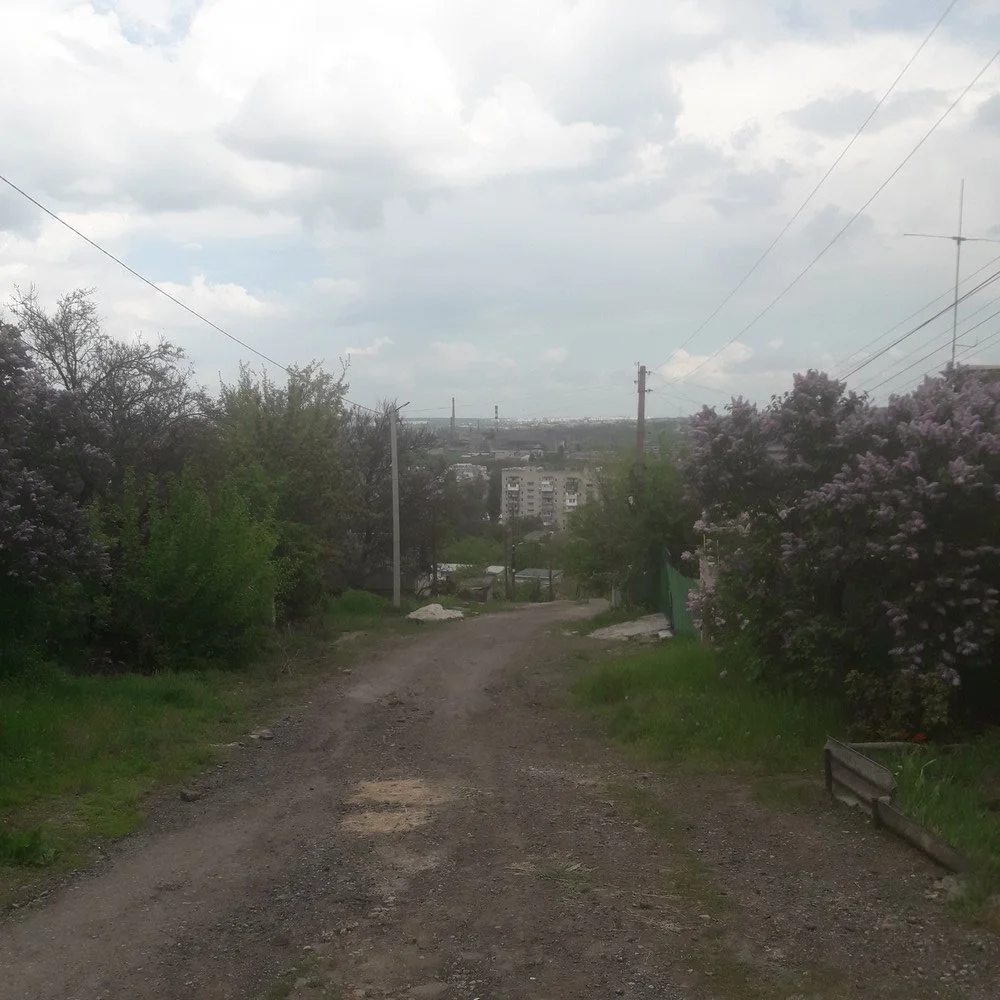

Journalist Pavel Kuljuk, who lives in Kramatorsk in the Donetsk region, shares with The Saint his day-to-day experiences in the midst of war.
Written and photographed by Pavel Kuljuk
May 15, 2026
Weak nerves cost too much in war
The city of Kramatorsk in the Donetsk region of Ukraine has been teetering on the brink of life and death for four years. The war shows how much each of its residents loves their home.
Living 10 miles from war seems ordinary when you've been living it for four years. The only significant event is the question of evacuation. Is it time to leave or not? This is what we ask ourselves and those around us every day.
In May 2026, uncertainty about the correct answer to this question increased. And, as always, this happened without objective reasons.
"Viktor and Yana are leaving," my wife, Svetlana, told me as she returned home from the store with two cans of beer and some chips.
"What? They're leaving! Are you sure?" I asked, alarmed.
"Yes. I saw them myself. They're loading things onto a cargo bus," she replied.
The beer didn't relax us. We were tensely discussing the evacuation of our neighbors. It was unpleasant and unexpected!
A couple of days later, the situation repeated itself. But it was even more ominous. A businesswoman I knew called me. Her name is Svetlana Eduardovna.
"I need your help. I'm leaving and need to get everything ready," she said.

My wife Svetlana is knitting. The lighting in the house is poor because the power supply is low. Although three light bulbs are on, the room is dim. But even such low power is a blessing in war.
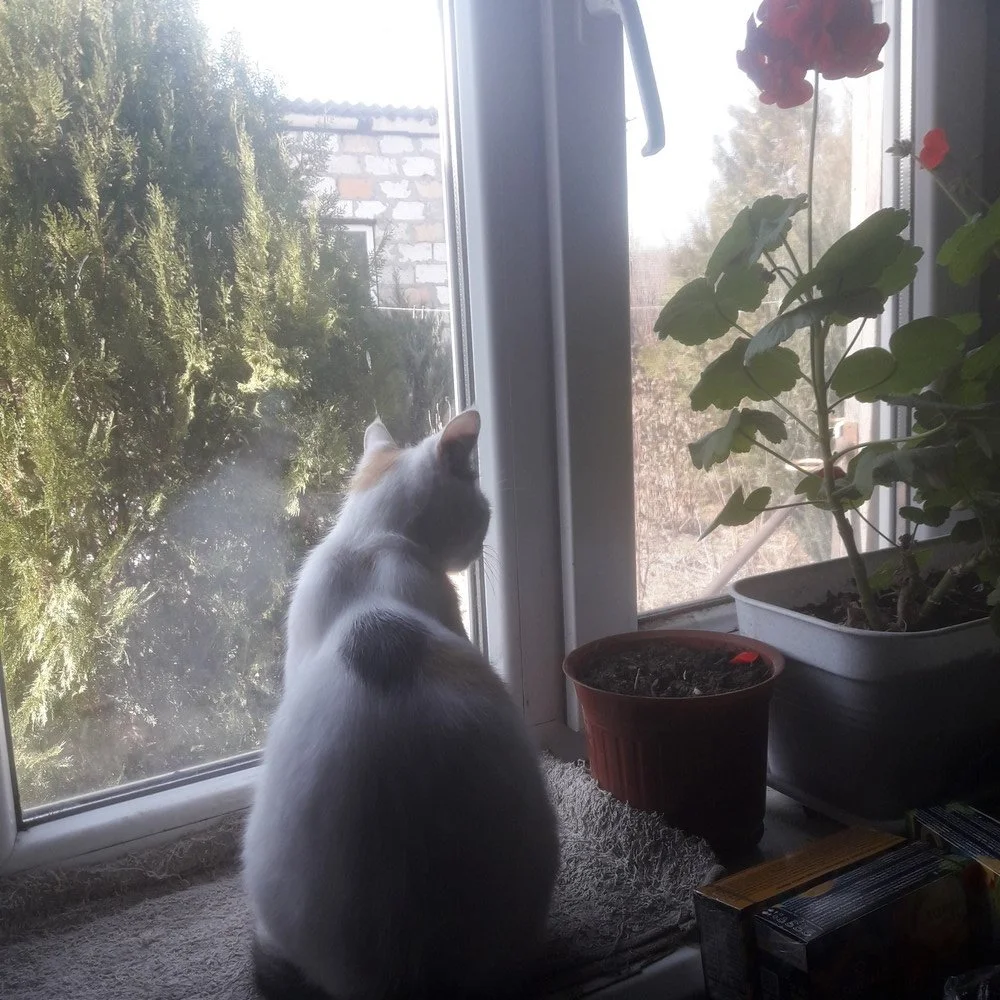
Our cat, named Chipizdron, looks out the window into the yard.
This woman has been running a successful pet boarding house in Kramatorsk for 30 years. Throughout the war, it was a busy place. Soldiers heading off to fight the Russians and local officials going on vacation away from the war happily left their dogs and cats at the boarding house. I've written many reports about this business.
But now everything has suddenly changed. The boarding house is being dismantled. The cages, doors, windows, building materials and all the equipment are being prepared for transportation to Transcarpathia in western Ukraine. This region is almost 900 miles from our Kramatorsk in the Donetsk region!
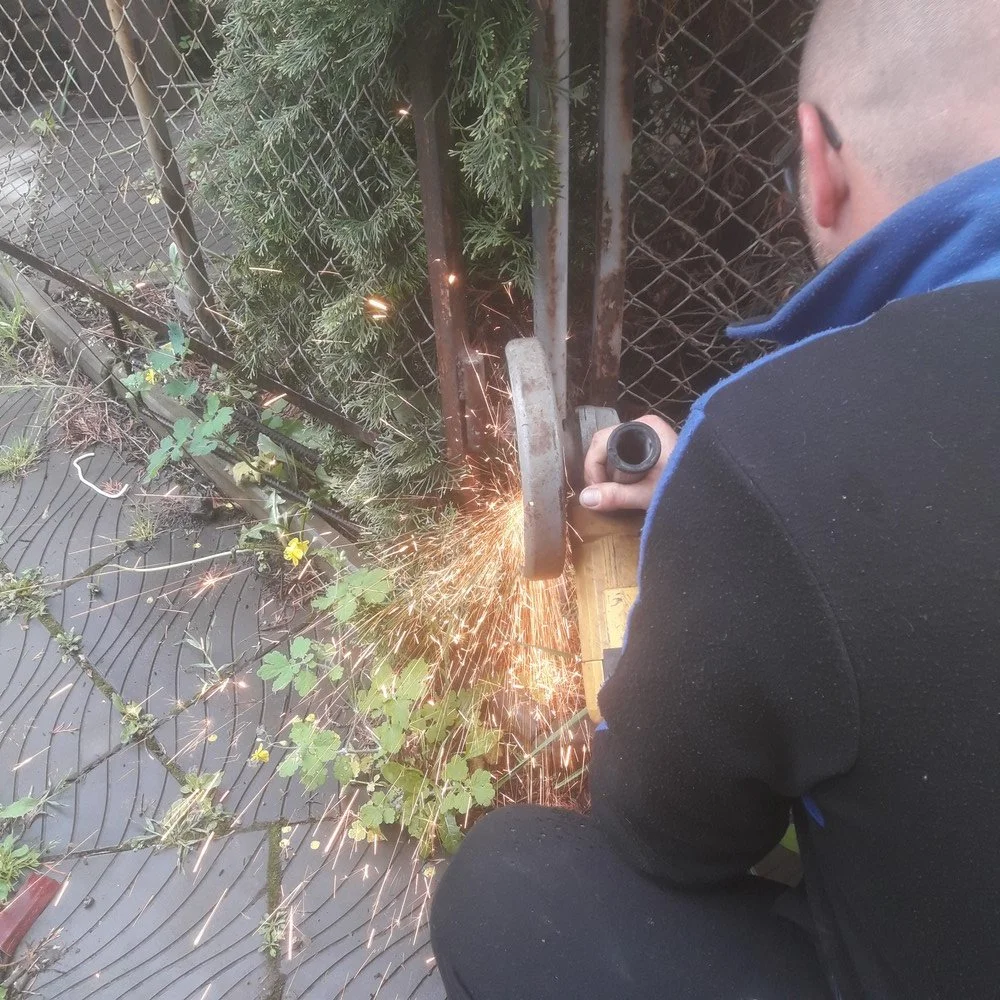
A worker is cutting the hotel's metal fence. The guy didn't want to show his face. Many Ukrainians are afraid of publicity since the war began. This is especially true in the war zone.
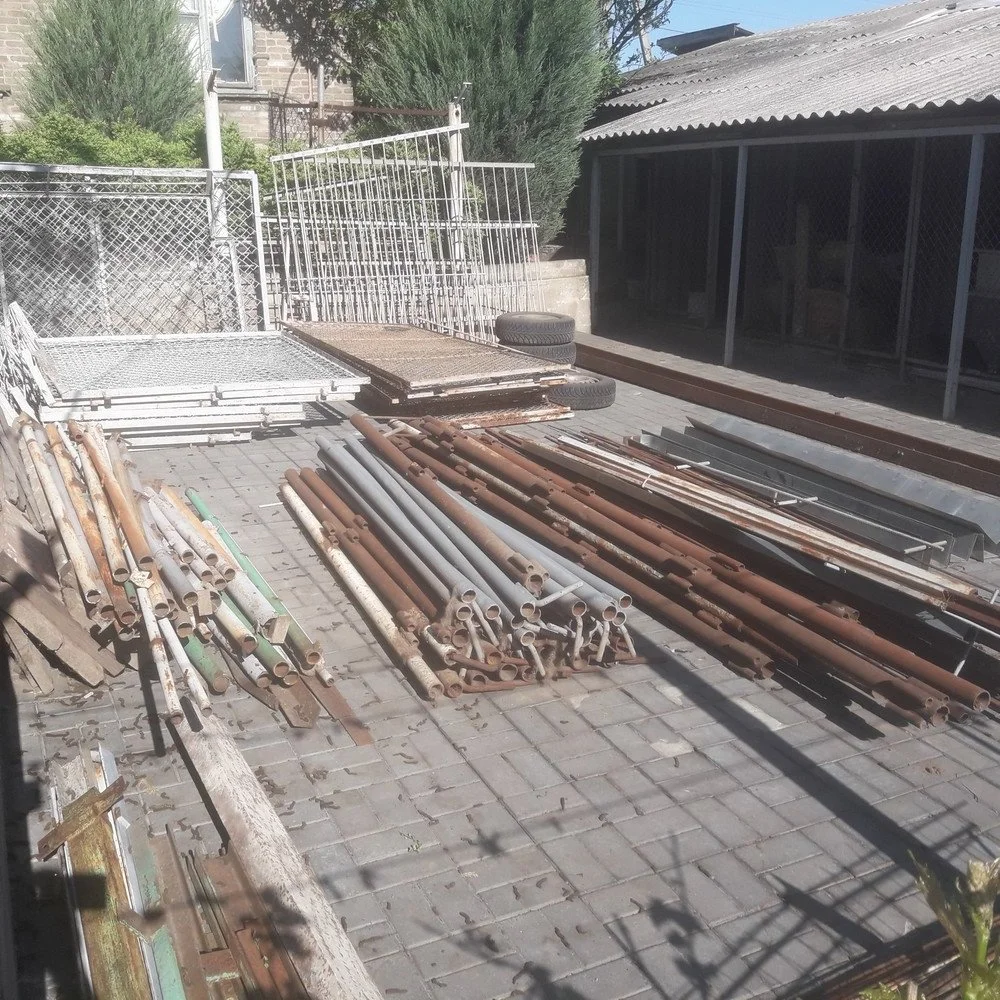
Dismantled hotel structures lie in the dog run.
"I was a young single mother when I started building this pet hotel,” she told me, standing amid the metal structures of the hotel being dismantled. There was an old house on this site back then. I had no money. So I asked the truck driver to park his truck in my yard overnight to avoid paying for the truck's downtime. At night, I loaded the truck with the rubble of the old house. In the morning, the truck left. During the day, I trained the clients' dogs [so I could] earn money to buy building materials for the hotel. And at night, I dismantled the old house again and loaded the truck. The pet hotel, once built, paid for itself within 15 years.”
I was impressed by this woman's courage. She's dismantling her life's work to resurrect it right on the border between Ukraine and the EU. I'm helping her do this. But what decision should I make?
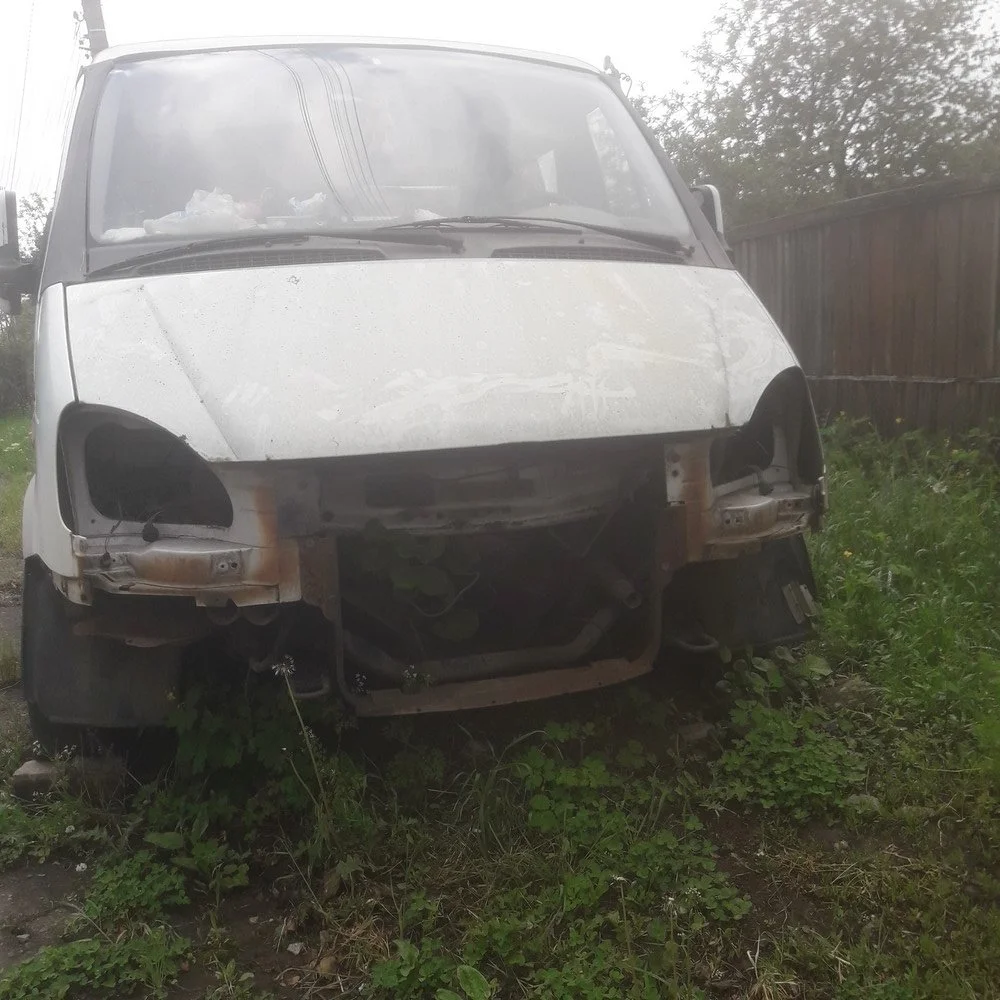
A dismantled car on a city street. The owners of this car left to live abroad at the very beginning of the war. Someone removed the engine from the car. There are many such abandoned and dismantled cars in Kramatorsk. Their owners will not return.
Nerves and panic once again battled common sense. When people around you start fleeing, it's very difficult to stay put. This has happened many times before. The evacuation washed over the city like a sea wave, and many residents, for reasons known only to themselves, fled into the interior of Ukraine. But most people later returned, having spent all their available money. It's not easy to succeed in a new place. The main reason is too low salaries and too expensive rent. Rents have skyrocketed due to the large influx of evacuees. But there's no reason for wages to increase. The Ukrainian economy is in crisis. So people returned to Kramatorsk. There they have housing and don't have to pay rent. I don't want to repeat their sad experience. Weak nerves cause great losses in war.
This time, my nerves proved stronger than the panic in the streets. There are no objective reasons for evacuation yet. That's my decision. Although local authorities reported that 5,000 residents left the city in the first two weeks of May. Of course, the Russians are constantly approaching Kramatorsk, but the city has electricity, water and gas. Many shops are open and public transportation operates. This means that housing in the city remains a comfortable place to live.
How long it will be possible to live in the city is indicated by the battle maps. All maps are different because each battle map is part of the propaganda operation of the government that creates it. That is, all maps are biased. Therefore, to understand the truth, it is necessary to study the battle maps created by both sides of the conflict and by any country not involved in the war.
To find the truth, I use the Ukranian1, Russian2 and American3 maps.
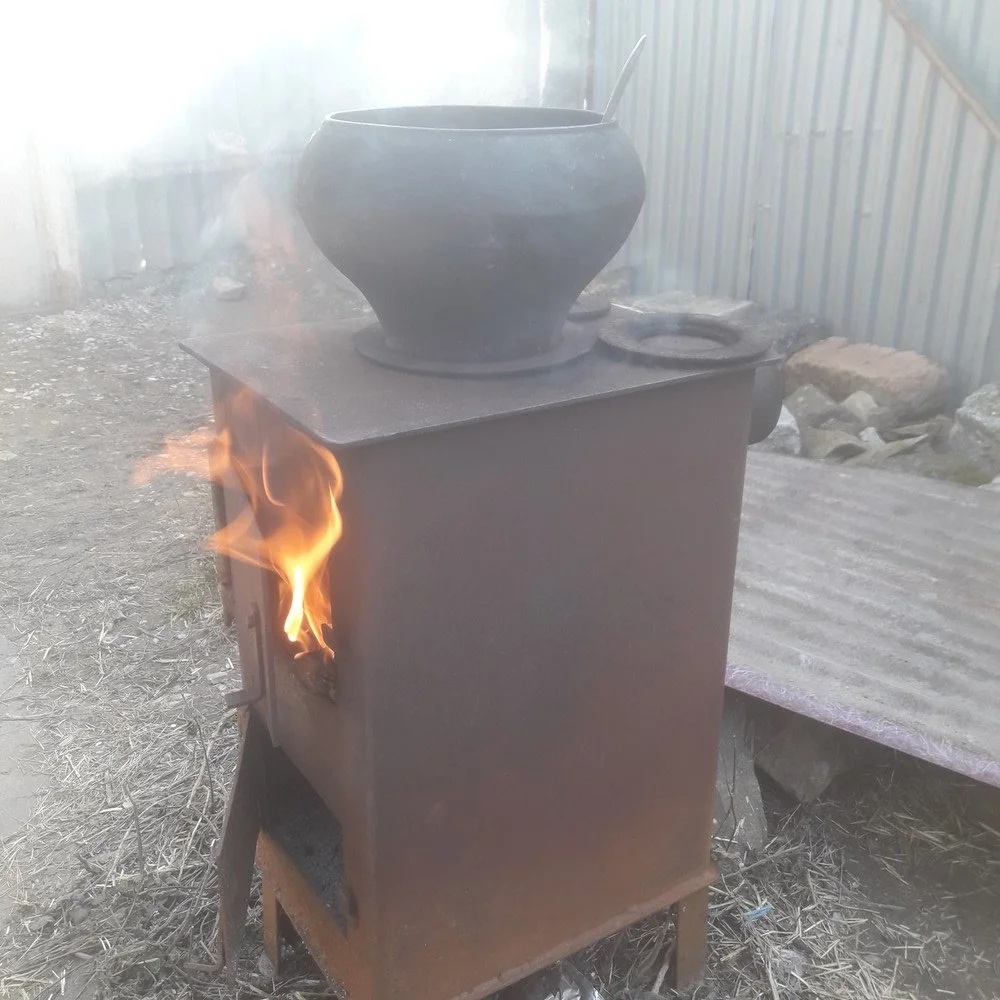
A metal stove and a cast-iron boiler in our yard. We use them to cook when the electricity is out and our electric stove isn't working.
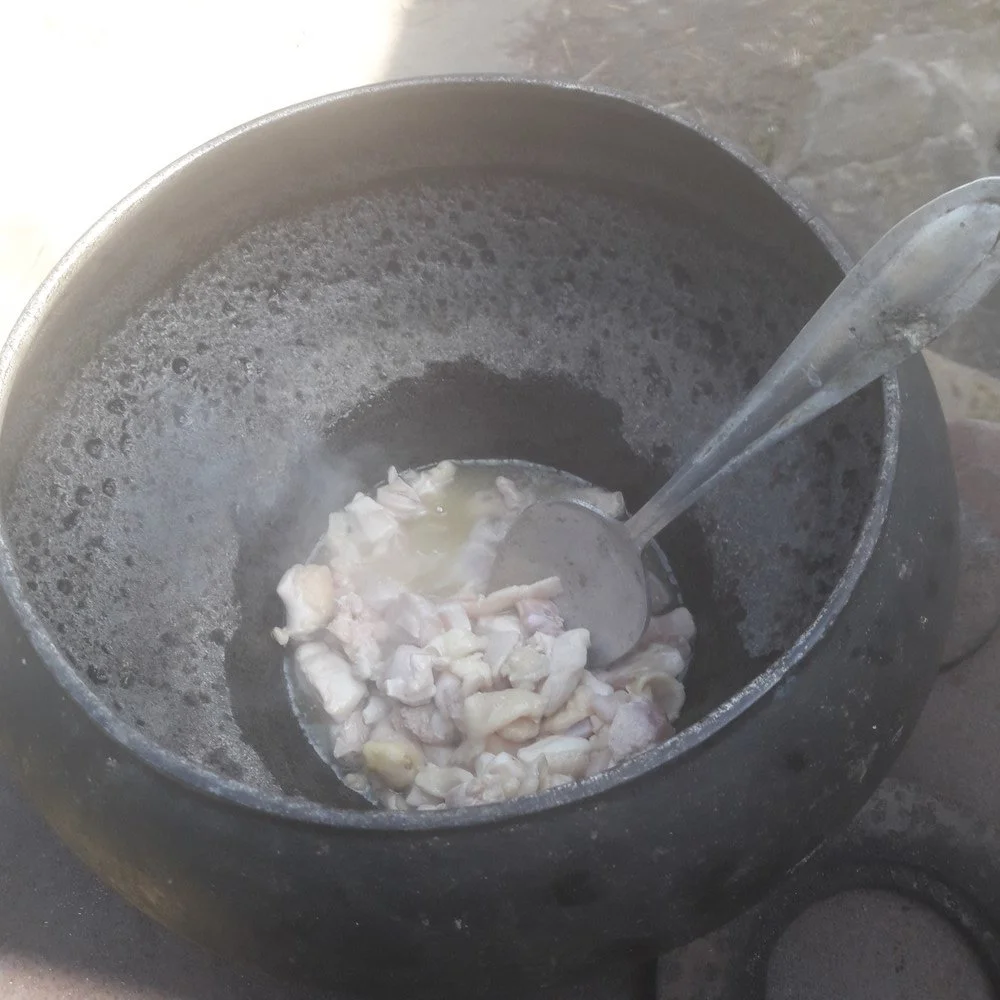
How Cities Die
Judging by three combat maps, the Russian army needs to capture several more miles of territory to begin its final report on Kramatorsk. The death of a city in war occurs in stages. It could be said that every settlement, like a human corpse, undergoes several stages of decomposition. Here are the main stages of city death.
1. Termination of railway communication
This isn't the beginning of death, but only a prelude. Rail service to Kramatorsk was suspended back in November 2025. The reasons were deteriorating security conditions. A passenger train from Lviv to Kramatorsk was fired upon, and one of the railway bridges was damaged. After this, the authorities not only stopped train service but also dismantled the overhead power lines used by locomotives.
2. Forced evacuation of children
This is the beginning of the real death of urban life. According to current legislation, mandatory evacuation of children is declared when Russian troops approach within 6.5 miles (10 km) of a populated area. Mandatory evacuation of children means that the authorities will forcibly remove children even if their parents do not want to leave the city. Parents cannot prevent the authorities from evacuating their children. As of May 14, 2026, mandatory evacuation of children has not been declared in Kramatorsk. However, such evacuation has been introduced in some districts of the neighboring city of Slovyansk and the entire city of Druzhkovka.
3. Long curfew
During a long curfew, the public is allowed to move about on the streets from 11:00 a.m. to 3:00 p.m.—that is, only for four hours. A long curfew is imposed when the enemy army approaches less than 6.5 miles (10 km). A regular curfew prohibits movement on the streets only in the late evening and at night. Each region of Ukraine has its own curfew duration. The further the fighting, the shorter the curfew. In May 2026, in Kramatorsk, the curfew is in effect from 9:00 p.m. to 5:00 a.m. In some other cities of Ukraine, the curfew is in effect from 12:00 p.m. to 5:00 a.m. There is no curfew in the Transcarpathia .
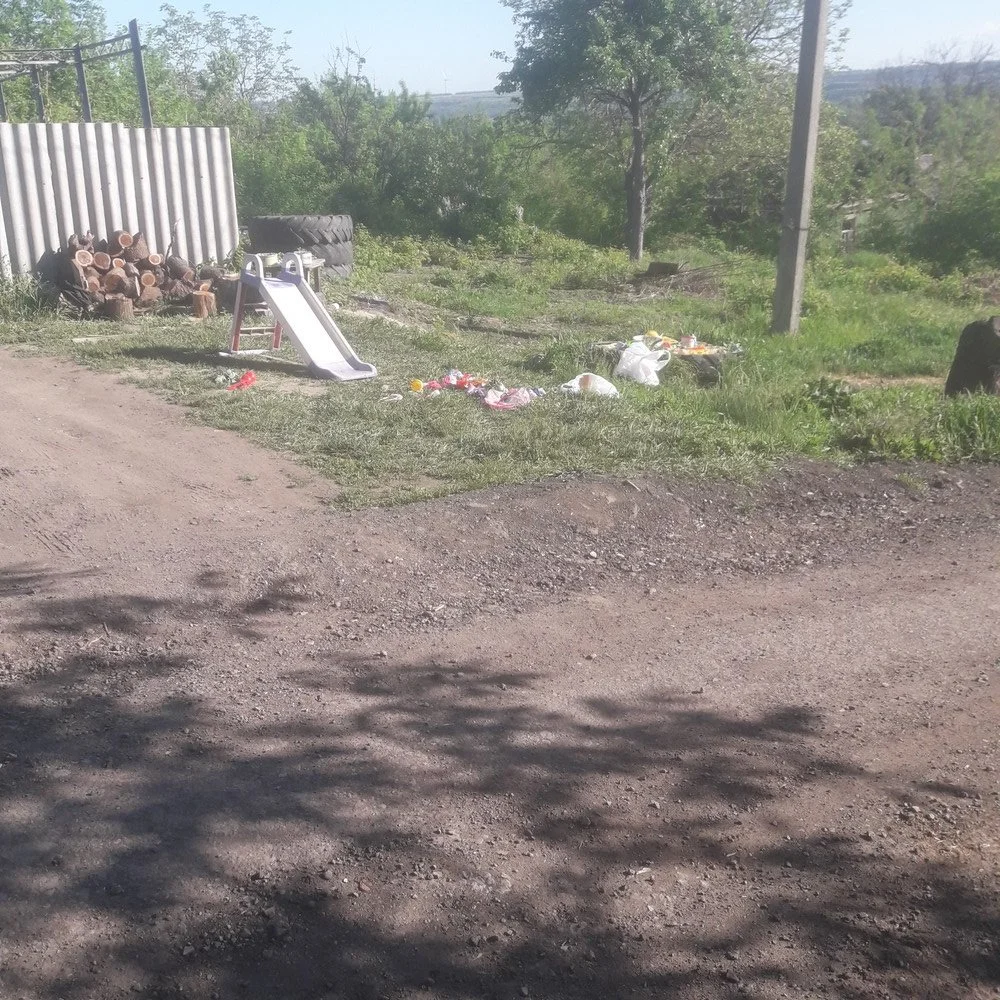
A playground near a private home in Kramatorsk. The parents bought a slide and toys for their child. Many children remain in the city.
4. Termination of urban and intercity transport (buses)
Large buses, electric buses, trams and trolleybuses are the first to stop operating. This type of transport is owned by the city authorities. Typically, such vehicles are evacuated when the situation deteriorates. Small buses, designed for 10-20 passengers, operate the longest. These buses are owned by private companies. As the Russian army approaches, fares increase as the danger mounts. In 2025 (when rail transport was operational), the average cost of a bus ticket from Kramatorsk to Uzhgorod was $68 (3,000 hryvnias). For that price, one could travel across Ukraine - almost 900 miles. There were about 20 such transit and local buses daily. However, now, in May 2026, the average ticket price is about $113 (5,000 hryvnias). Only four buses remain on the route.
5. Closing of banks and removal of ATMs from the city
Banks typically take these measures when shelling kills employees or cash collection becomes impossible. All banks and ATMs are equipped with generators; therefore, banking services are provided for as long as possible. Privatbank and Oschadbank, the largest banks in the country, remain open longer than other banks in failing cities. Smaller private banks close faster.
6. Termination of public utility services
First, garbage collection stops. Then gas supplies stop. Then electricity and water supplies stop. In the suburban village of Kamyshevakha, 8 miles from Kramatorsk, garbage collection and public transportation were suspended in the fall of 2025. This occurred after a drone attacked a scheduled bus, injuring two people. However, electricity is still available in the village, albeit intermittently. People continue to live in Kamyshevakha!
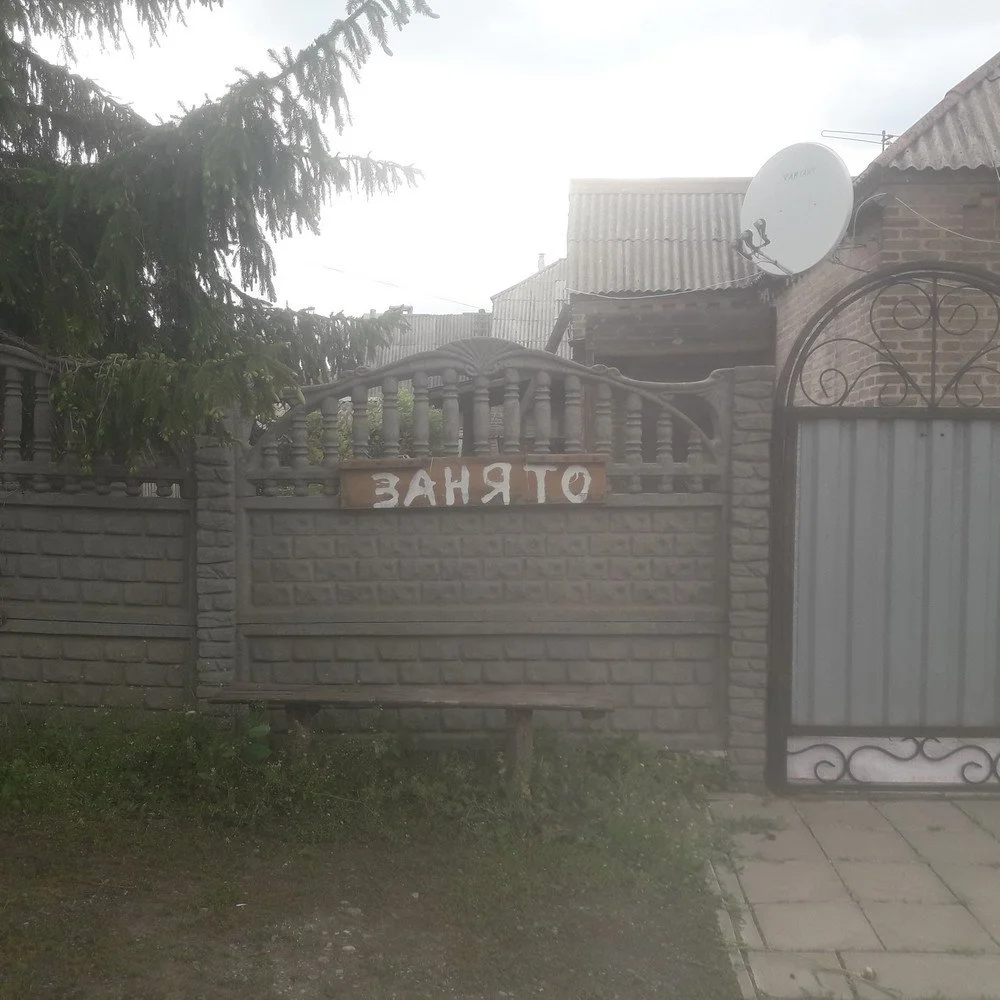
An "Occupied" sign on a fence near a house. Demand for rental housing in Kramatorsk is very high. There are many military personnel in the city. They are constantly knocking on doors and trying to occupy vacant properties.
7. Closure of Ukrposhta and Nova Poshta branches
These organizations' drop-off points are in high demand during the final stages of urban development. Residents use these companies to evacuate their belongings. These organizations also have generators for free charging of mobile phones, batteries and other items. They also have specially built shelling shelters. Pension and money transfers can be collected at Ukrposhta branches. Money transfers can be received at Nova Poshta branches. All these services are crucial in the face of the destruction of a community.
8. Store closures
Stores are the last to go because retail in war zones is extremely profitable. There are two reasons for this. The first is a high concentration of stressed, solvent customers. Almost all of these customers are military personnel. They receive the highest salaries in Ukraine. Their monthly income ranges from $1,200 to $2,450, excluding bonuses. Under stress, soldiers don't skimp and readily buy any food for themselves. Marzipan, salmon, expensive meats, pineapples, and black and red caviar are in high demand.
The second reason is the illegal sale of alcohol. Legal alcohol sales were banned in Kramatorsk (and the entire Donetsk region) back in 2022, immediately after the war began. However, alcohol is sold illegally almost everywhere. The price of illegal alcohol is almost twice as high! A can of Ukrainian-produced beer in our city costs $1.48 (65 hryvnia). However, 20 miles from Kramatorsk, the same can of beer costs only $0.73 (32 hryvnia). This is the same price as in the neighboring Kharkiv region, where alcohol sales are permitted.
9. The exodus of the remaining population from the city
The people who remain in the city the longest are elderly people who have no relatives in other Ukrainian cities. These people cook over campfires and live in basements. They are as unpretentious as wild people. They don't need internet, a telephone, a warm bath or a varied diet. Cereals, tea, sugar and bread are enough. Volunteers and Ukrainian soldiers help these people. Often, the evacuation of such people turns into a real military operation. Armored vehicles are sent for them. These people are dressed in bulletproof vests and helmets to protect them from shelling. Volunteers often die trying to evacuate the last residents of the city. But just as often, those evacuated with such difficulty return to live in the city where they die or are evacuated again. The final evacuation is always a mixture of heroism, drama and madness.
10. Capture of the city by the enemy
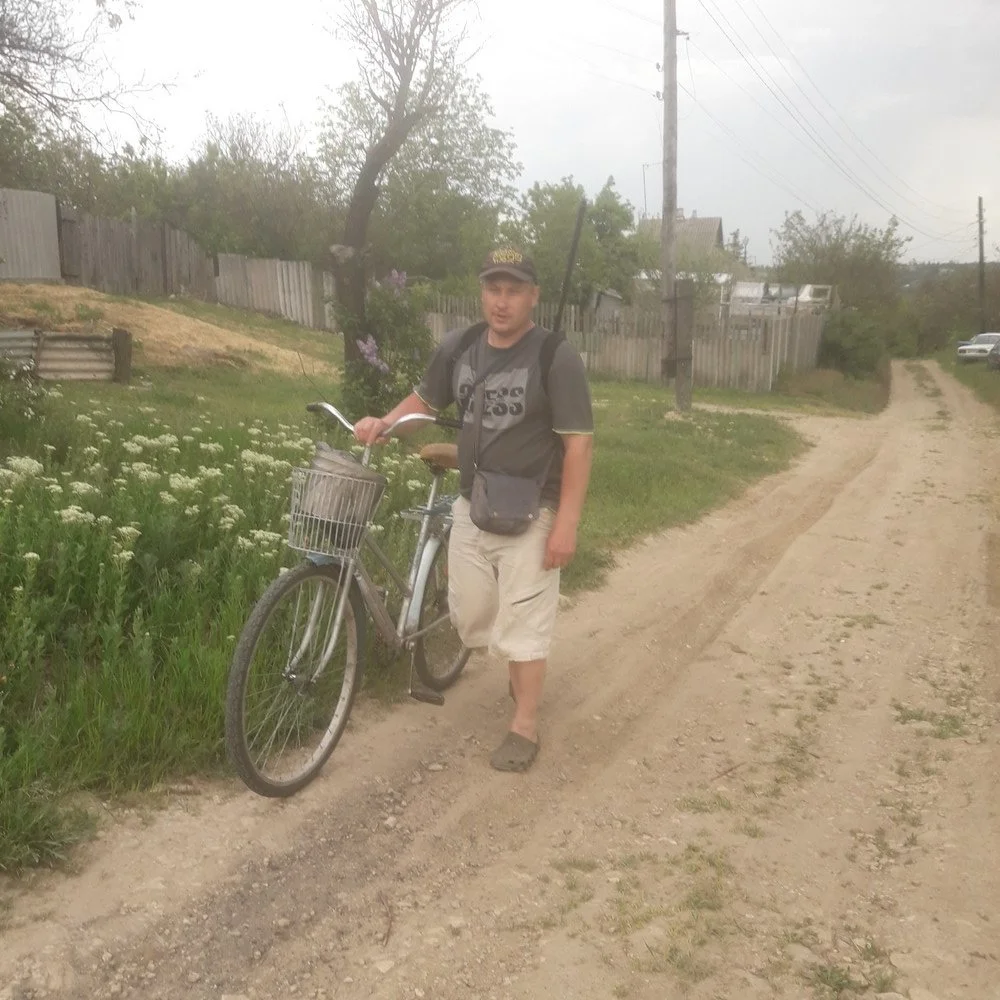
A random Kramatorsk resident with a bicycle. During the war, bicycles became a popular mode of transportation. Bicycles are almost indestructible by shelling. Bicycle repairs are very cheap. Bicycles are free and provide an opportunity to exercise.
Freedom of terrible choice
Points 4-9 don't have clear rules. They usually depend on the extent of the city's destruction and the number of civilian casualties. That is, the more destruction and casualties, the faster points 4-9 are carried out. Volunteers and government officials are usually the last to leave the city, along with Ukrainian soldiers.
Also, some of the population always remains to live with the enemy. These people usually hide in basements and avoid contact with the Ukrainian authorities. Russian reporters love to show these people emerging from basements and greeting Russian soldiers.
As we see, only the first point of the city's death has been fulfilled in Kramatorsk. Rail service has been suspended. Ukrainian law does not provide for the forced evacuation of the adult population. Although authorities declare mandatory evacuation, many citizens set their own departure dates.
I decided to evacuate when point 5 begins to be fulfilled. That is, when Kramatorsk's electricity supply is cut off, and the gas and water are shut off. At what point would you decide to leave your beloved home?
Join The Saint each week as Pavel reports with updates and his experience from his home in Kramatorsk.
References:

Pavel Kuljuk

A blooming tree peony.