

Journalist Pavel Kuljuk, who lives in Kramatorsk in the Donetsk region, shares with The Saint his day-to-day experiences in the midst of war.
Written and photographed by Pavel Kuljuk
May 22, 2026
The rental business during wartime: an inside look
The rental business in a war zone is an attempt to live a peaceful life, oblivious to the surrounding reality. This is cruelly punished by war and fate.
Once upon a time in the rental market
"I'm leaving immediately and want my deposit back. The Russians shelled the area at 4 a.m. It's hell here! The apartment is damaged. I'll take a video of the apartment for you now," a phone call from a tenant named Ilya woke me up at 7 a.m.
"Maybe you'll stay? I'll give you a 20% discount. $90 a month instead of $120." I tried to resist reality, trying to wake up.
"No, thanks! How can I get my deposit back?" he replied.
"Come to the address I’ll tell you," I replied and finally woke up.
After 20 years of hard work and saving for the good things in life, I managed to buy three rental properties. I wanted to live a comfortable retirement, not relying on a pension. One of the three properties just went out of business.
The front door to my apartment was almost blown out by the blast. The window latches were ripped out. And most importantly, the explosion damaged the roof. Because of this, my top-floor apartment is now flooded with rain.
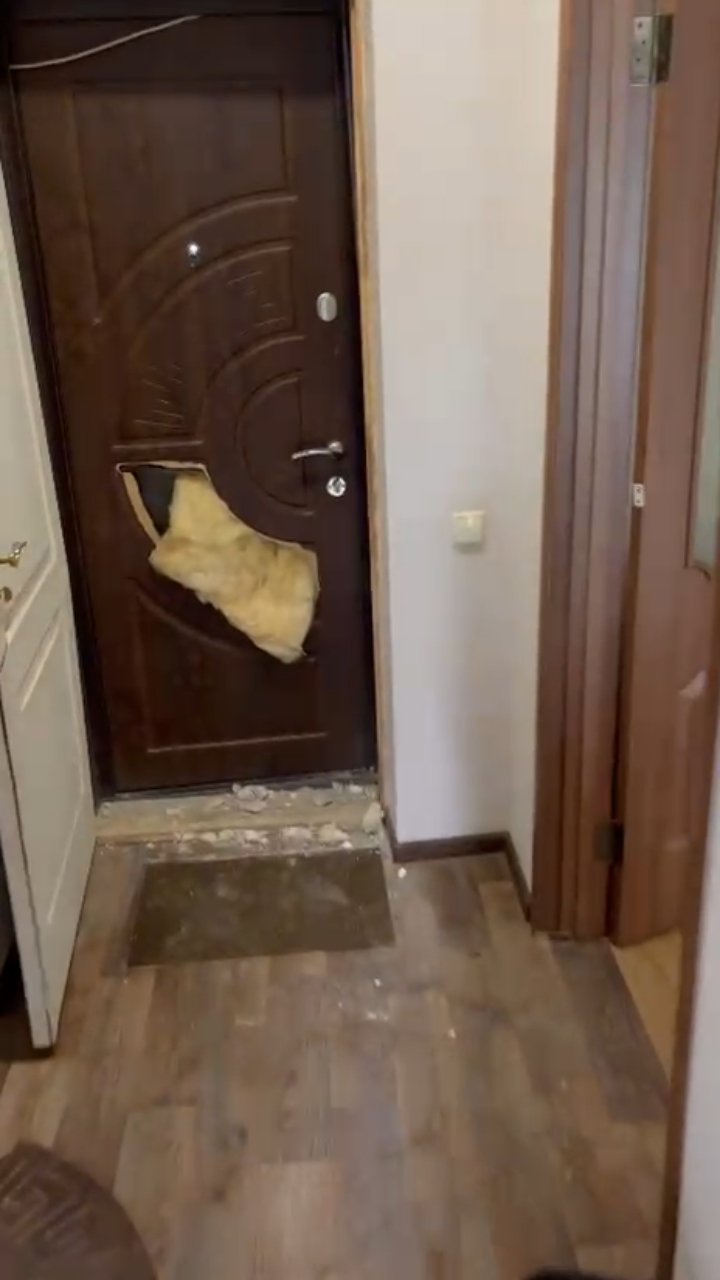
Front door damage at my one-room apartment.
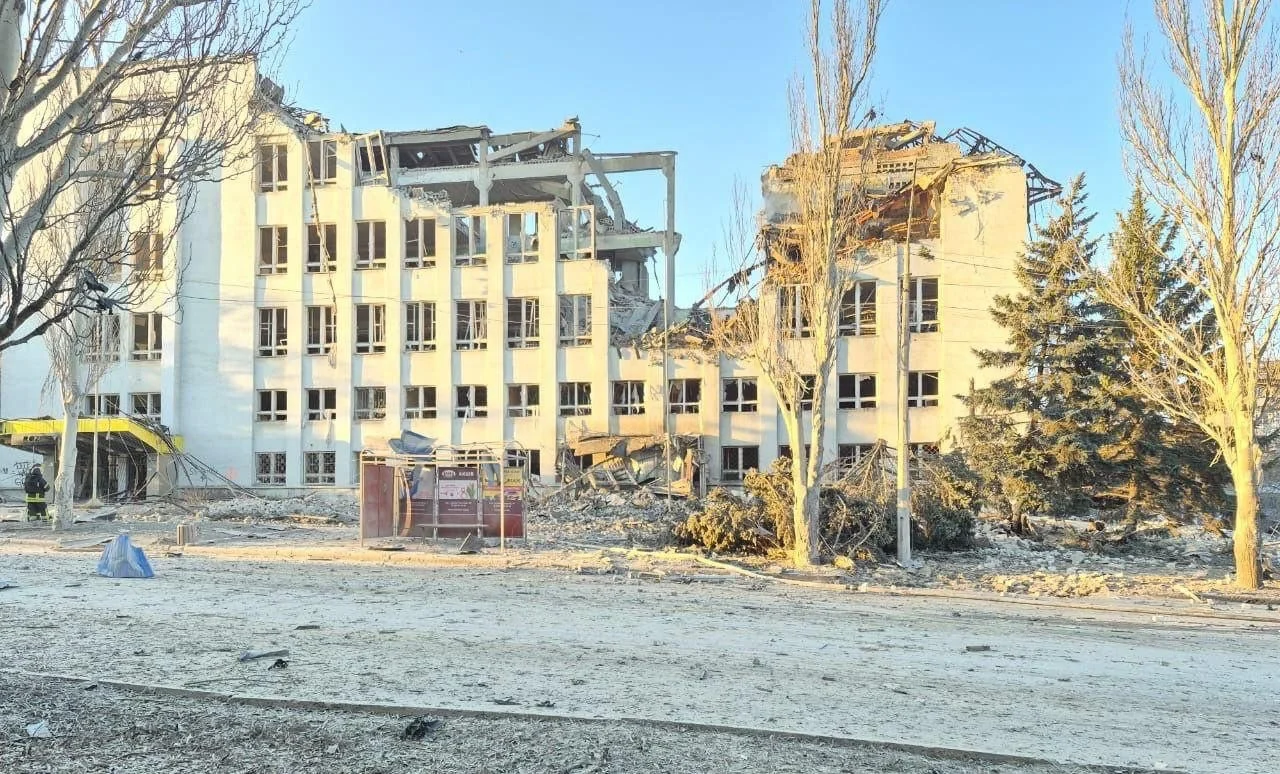
The Russians dropped an aerial bomb containing 1,100 pounds of explosives on an office building 160 feet from my one-bedroom apartment. Three of the five floors of the business center collapsed. I was extremely lucky that the five-story brick building where my apartment is located did not suffer the same fate as the business center. Even the window panes remained intact because the windows face the opposite side of the business center. The destroyed office building and my apartment can be seen in photos.
It was a mistake to buy an apartment across from a business center and on the top floor. But I chose the right time to buy. I bought the apartment after the end of the first Ukrainian-Russian war in 2014. Then, Kramatorsk was liberated from pro-Russian militias by the Ukrainian army. Those were turbulent times, the population had dwindled and the city was devastated. Therefore, housing was very cheap.
I bought a one-bedroom apartment in the center of a city with a population of 100,000 for only $4,000. Over the next eight years, the apartment's purchase price increased 2.5 times. On the eve of the full-scale Russian invasion in January 2022, the same apartment was already worth $10,000.
"The war brought me profit. The war will take that profit away," I thought philosophically.
However, a few days later, the war gave me a friendly pat on the shoulder. The tenants renting my house sent me some photos. They had installed a toilet, a shower stall, a gas stove and a water heater.
"This will all stay in the house after we move out. Can we pay 20% less this month?" one of them wrote.
"Great news. Not only this month but also in the following months you can pay 20% less," I replied.
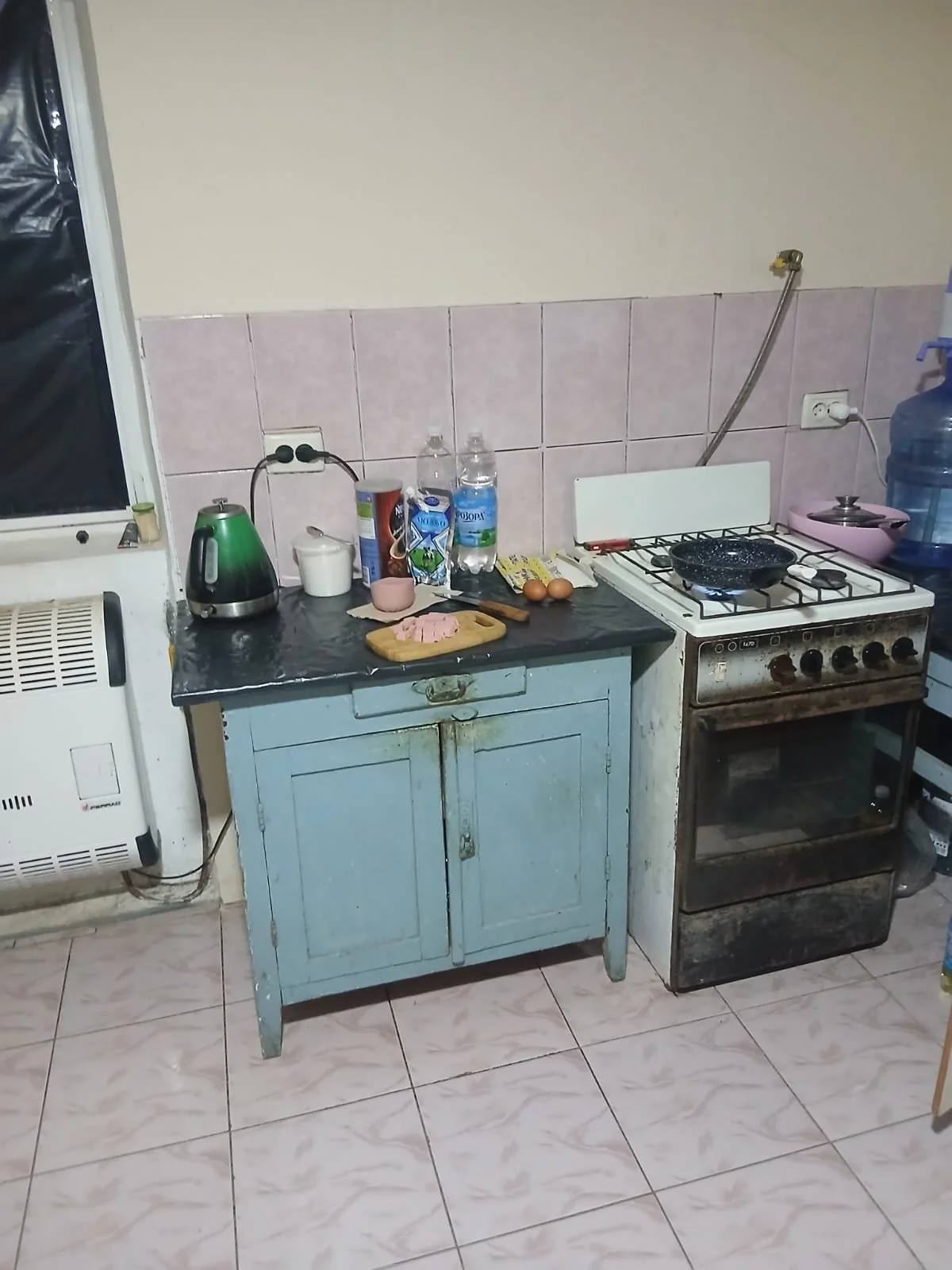
Gas stove installed by tenants in my building.
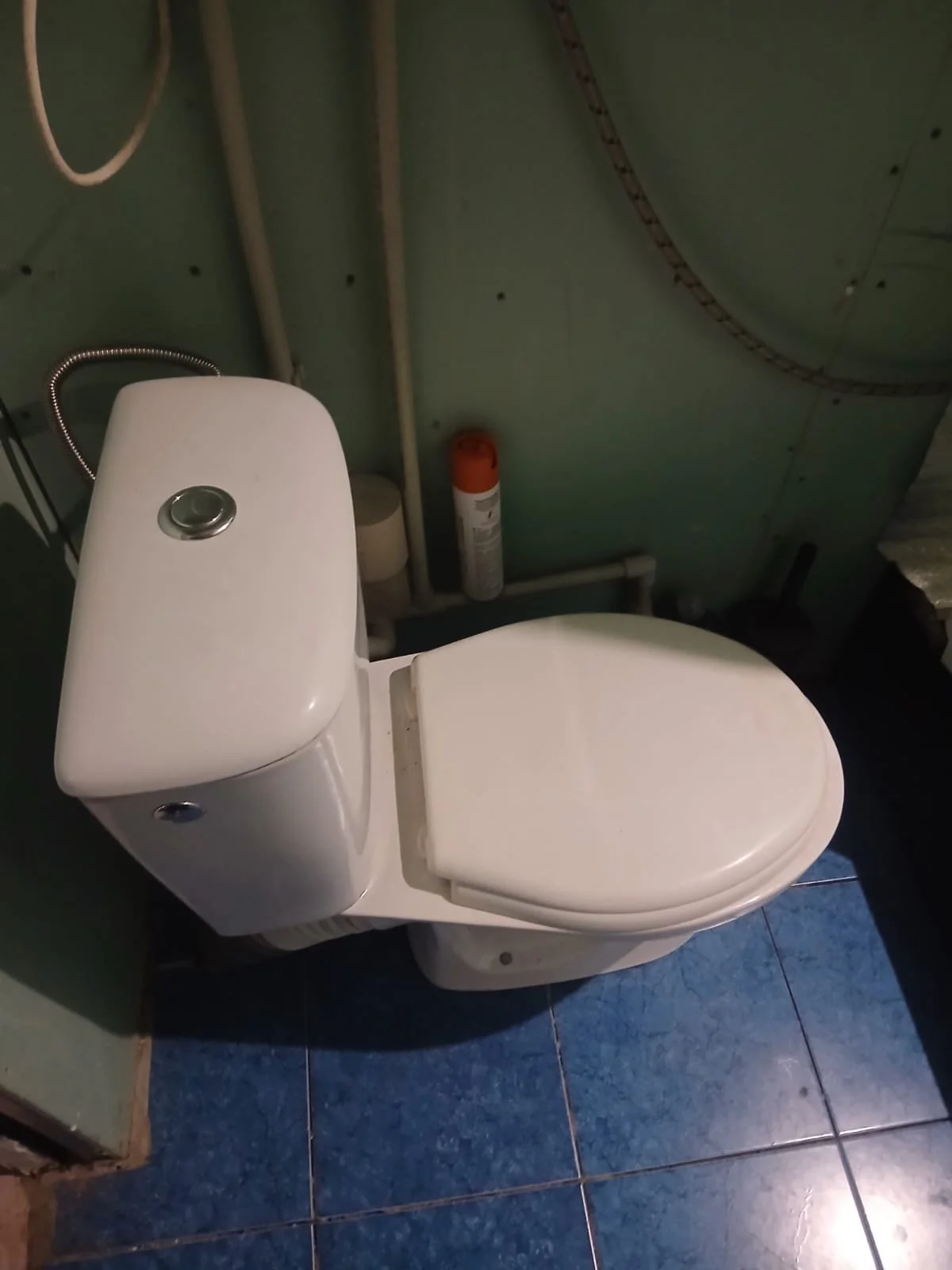
Toilet installed by tenants in my building.
The tenants of my rural house are Ukrainian soldiers. They are very hardworking and unpretentious. Many of them are skilled in a variety of useful tasks. In this case, they equipped the house themselves, without my asking. I didn't have time to do this before the war. So, I rented the property out after the fighting began, without the necessary equipment for comfortable living. I don't know where they got this equipment.
But I do know that Ukrainian soldiers are the best tenants in a war zone. They aren't afraid of shelling and won't bother me if a faucet breaks or a window shatters in an explosion. They'll fix it themselves. These guys don't run away from rental housing like my civilian tenant did in my apartment.
Inspired by this new life experience, I called the realtor. "Try to find new tenants for the apartment. They can live there for free if they fix the roof," I told her.
In the current situation, this was the best solution. Repairing the roof with public funds is impossible. The city is so devastated and budget funds are so scarce that city authorities can't keep up with repairs on the roofs of apartment buildings. According to Ukrainian law, this is the state's responsibility. Investing my own money in repairs makes no sense. A new attack could destroy not only the roof but the entire building at any moment.
Removing the furniture from the apartment is not the best option. I don't have housing outside of Kramatorsk. And in Kramatorsk, any house or apartment could be destroyed. Therefore, it makes no sense to spend money on transporting furniture within the city. Housing tenants who maintain the roof is the best option. However, it's unlikely that in peacetime, renting housing in exchange for roof repairs would be a reality. It would only be possible in the extreme conditions of war!
However, the war changed more than just rental rules. The fighting forced people to completely rethink their views on real estate. All housing that had been valuable and popular in peacetime became useless and even dangerous during the war, and vice versa.
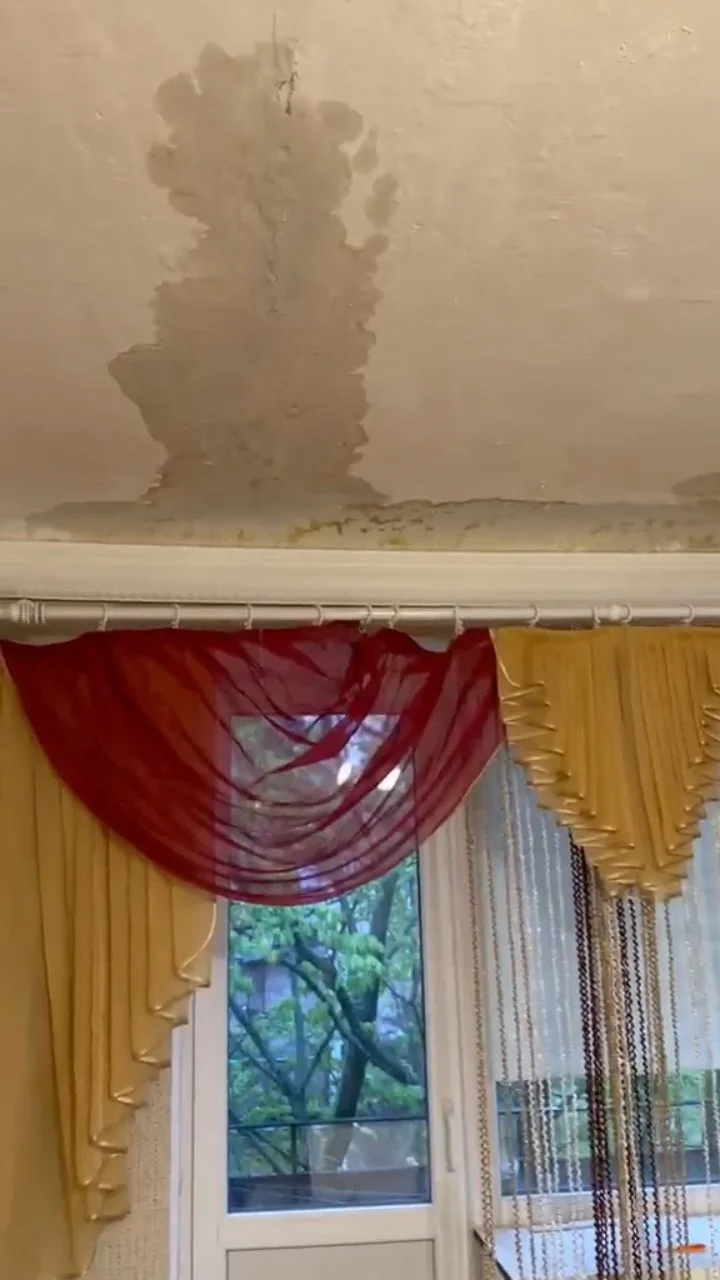
The ceilings are wet from the rain at my one-room apartment on Nezavisimosti Avenue in Kramatorsk.
Military real estate as it is
In times of war, the most valuable are old rural houses lacking modern amenities and located as far away as possible from populated areas and other real estate. Such a house is very inexpensive, so damage to it won't cause you much loss.
This house has no central water supply or well with an electric pump. Instead, there's an old well from which water must be fetched by hand and a bucket hanging on a rope. Instead of a central sewer system, this house has a homemade cesspool that holds 10-12 tons of sewage. There's no toilet or tiled bathtub. Instead, the toilet is in a small shed over a large pit at the end of the garden. There's no shower, bathtub, or jacuzzi in this house. There's a sauna heated by a wood-burning stove or an outdoor shower heated by the sun.
There's also no gas or electric stove for cooking. There are no modern heating systems using gas or electricity. Instead, there's an old stone or metal wood-burning stove. This stove allows for heating the house and cooking at the same time. In the summer, when the house doesn't need heating, primitive brick or metal stoves in the courtyards are used for cooking.
In other words, we're essentially talking about a house with characteristics typical of housing 300 years ago. This type of house provides complete independence in the event of a utility failure. During wartime, water, gas, electricity and central heating are often cut off. And it is impossible to buy fuel for the generator. Even in such a situation, you can live in such a house.
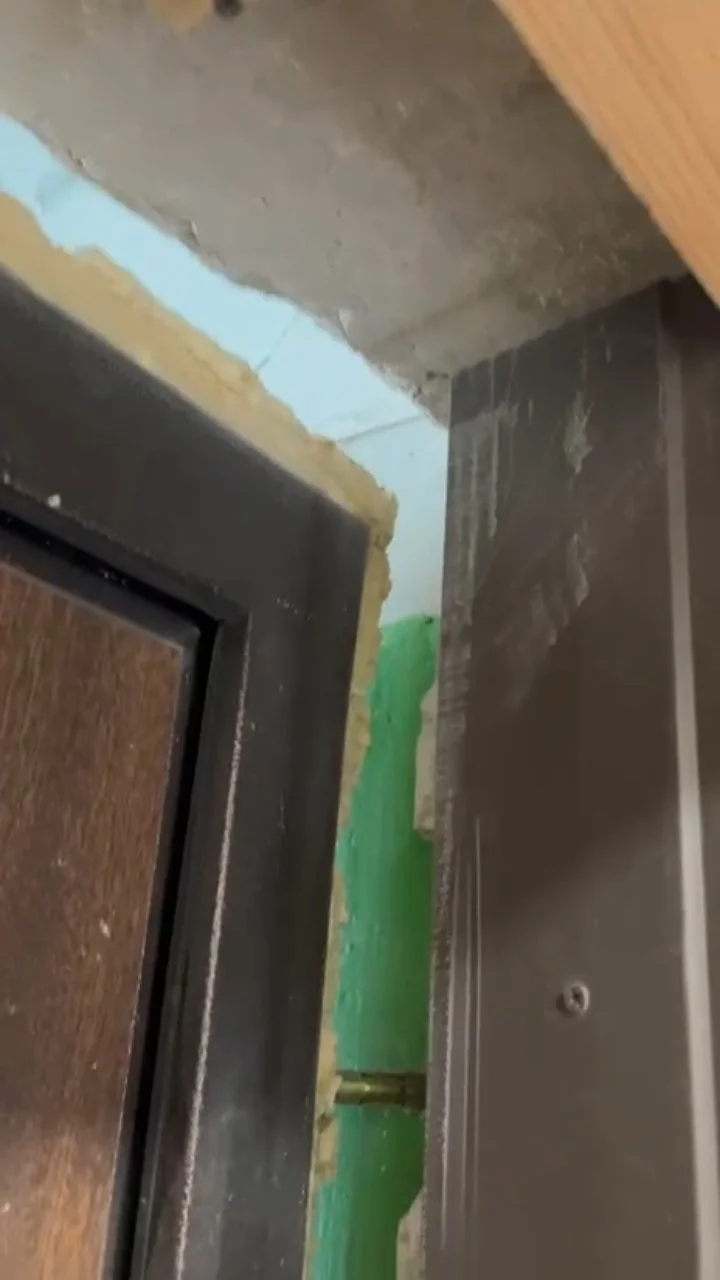
Front door damage at my one-room apartment on Nezavisimosti Avenue in Kramatorsk. Compared to other apartments, this is minor damage.
There should also be no neighbors near this house. Any homeowner near you could pose a threat to you if they rent out their property to the military. The military could become a target for an enemy attack, meaning you and your home could be damaged as a result.
For the same reason, there should be no industrial facilities, large shopping centers, schools, office buildings or even parking lots near the house. Forests are also undesirable. All of these facilities are used by the military to house personnel, equipment and ammunition. Therefore, these facilities become targets for the enemy and a threat to you.
A minimum of comfort and material losses, but maximum independence and remoteness. These are the optimal characteristics of housing for war. Let's be honest. Such housing is very difficult to find, even in Ukraine. Civilization has changed almost all real estate. But for your own safety, it's worth the effort.
What you shouldn't do is try to buy apartments in multi-unit residential buildings in case of war. Dense urban development creates numerous threats and causes of inconvenience and death. Apartments are critically dependent on centralized utilities and neighbors. Nearby, there will inevitably be some real estate that becomes a target for the enemy army.
A large number of properties and utilities create a deadly threat. During shelling, many people die not from the ammunition but from the consequences of destruction. That is, a person can be killed by glass from a broken window, electrocution from a downed electrical line, an overturned car, a collapsed building wall, etc. In this context, a rural field is much safer than a city street.
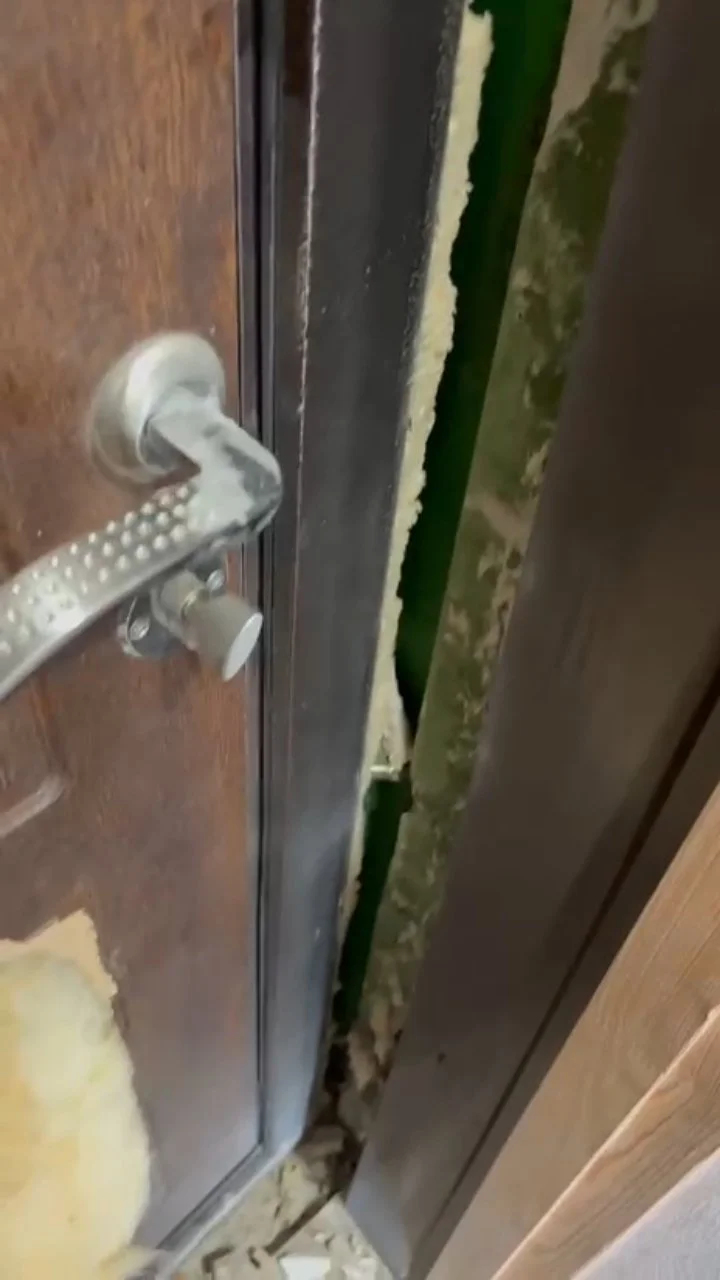
Front door damage at my one-room apartment.
What do we have in the end?
A peacetime investment strategy is the opposite of a wartime investment strategy. The two strategies are incompatible. In peacetime, apartments and houses with utilities and located near infrastructure are in demand. These properties are almost always relatively expensive in cities or suburbs. These properties can be rented out and generate good income. In wartime, cheap and abandoned rural houses far from civilization are in demand. Such housing does not generate much profit when rented out. It is better to use this type of housing for personal use.
In the current situation, the optimal solution is to sell my peacetime property before the war and withdraw my capital from the combat zone. I didn't do this because I had so much faith in the wisdom of politicians. As a result, my life's work is at risk. And I have only myself to blame for this. Now, in the dire conditions of wartime, I'm again trying to save up for a property purchase. This time, an inexpensive country house far from the fighting.
Please learn from my mistakes. It's better than learning from your own mistakes, which war will teach you.
Join The Saint each week as Pavel reports with updates and his experiences from his home in Kramatorsk.
The office building of a telecommunications company on Independence Avenue in Kramatorsk. The building was destroyed by the Russian army on March 7. My house is located to the left of the building, about 160 feet away. This photo was distributed by the Donetsk regional administration.