
Journalist Pavel Kuljuk, who lives in Kramatorsk in the Donetsk region, shares with The Saint his day-to-day experiences in the midst of war.
Written and photographed by Pavel Kaljuk
May 29, 2026
Bread & Ice cream
The war removed a lot from the daily diet, including taste preferences.
In war, there's more suffering and fewer opportunities. This brings people back to their roots. Our ego, inflated by civilization, is reduced to its natural value. This changes our lives in amazing ways. During the war, we began to do many amazing things. This includes cooking.
A tasty treat and daily bread
"It's already so hot, even though it's only the end of May," my wife said, closing the blinds to block out the sunlight.
"Want some ice cream?" I asked, remembering last years’ experience to escape the heat.
"Yes. Let's go!" she replied happily.
"I'll leave you some money on the table. You can go to the store early in the morning while it's cool," I replied.
"Okay. I just need to buy some flour for baking bread," she agreed.
This conversation took place on Tuesday. And on Wednesday, May 26th, we made our first homemade ice cream this year and baked our usual homemade bread.
Homemade ice cream and bread aren't the only changes in our kitchen. We've completely stopped buying processed foods, and we grow most of our fruits and vegetables in our own garden.
My mother-in-law makes a lot of canned vegetables for the winter, including pickled cucumbers, tomatoes, zucchini, eggplant caviar, cabbage, bell peppers and various salads. These canned vegetables help us avoid buying expensive fresh vegetables in the winter.
Canned vegetables also allow us to use inexpensive ingredients for meals. For example, fried potatoes alone aren't very tasty. But if you fry the potatoes and open a jar of pickled tomatoes or cucumbers, you get a very tasty dish.
Canned vegetables are very inexpensive. The glass jars and metal lids are reusable. Only allspice and vinegar need to be purchased at the store. All other spices - horseradish leaves and roots, dill, garlic, and onions - are grown in the garden. The only cost is pest control. Water from the well is free. So, the cost of 6 pounds (a three-liter jar) of canned cucumbers is less than $1 (44 hryvnia). However, in winter, fresh cucumbers cost about $6 (240 hryvnia) for 2.2 pounds (1 kg). That's almost a sixfold savings.
We dry linden and mint leaves to brew instead of tea. These plants grow in our garden, and it's free. When we use store-bought black tea, we add dried pears or apples picked in our garden. This gives the tea a new taste and helps save tea leaves.
We have a lot of frozen fruit from our garden in our freezer. This includes apples, pears, plums, raspberries, currants and plums. In the winter, we defrost this fruit and use it as pie filling. Fruit from the garden is free, while buying it at the store in the winter is very expensive.
We also try to buy cereals, pasta and other food items without factory packaging. We look for stores that buy these items in 50-pound or larger bags and then repackage them into regular plastic bags upon customer request. The price difference is enormous. The cost of 2.2 pounds of pasta in a 55-pound bag is only $0.50 (22 hryvnia). However, if you buy the same pasta packaged in attractive factory packaging, the price will be two to three times higher.
We often buy a whole 55-pound bag of flour or buckwheat. This wholesale purchase allows us to reduce the price by 2-3 times.
I'll be honest - it's not always possible to save money. Raising cattle, chickens and ducks isn't economically viable. We can't grow animal feed, and buying feed is very expensive. So we still buy chicken eggs and various meats from stores.
To save money, we buy ground pork or beef. The manufacturer adds not only meat, but also tendons and other ingredients to the ground meat. We also buy chicken, which is even cheaper at about $2 (85 hryvnia) for 2.2 pounds (1 kg.)
Occasionally, we splurge - we’ll buy a couple of cans of beer, which cost about $1.50 (65 hryvnia) per can, and a 200-gram bag of chips for $1.20 (55 hryvnia).
In our city, chips from well-known brands cost $2 (88 hryvnia) for a 70-gram bag. The secret to such cheap chips is that they are packaged in plain cellophane without colorful printing. The taste of the chips is almost identical. However, the price varies almost threefold.
After constantly saving on food, coupled with my work in two to four places, I came to an interesting conclusion. Very expensive food is a luxury, not a necessity. Perhaps the military diet will negatively impact my health in the future. But for now, I can confirm that it is possible to engage in active physical and intellectual work without eating meat, butter, cheese or fish.
I manage to fuel myself with inexpensive, home-cooked foods. I didn't understand this in peacetime. I simply didn't think about the cost of food and the consequences of eating it.
Cafes and restaurants are also absent from our lives. They are not places for eating - these are places where people pay money for the opportunity to experience various emotions, and only then for the food.
For us, people who save pennies on food, restaurant price lists look crazy. We will not pay money for emotions by pretending that we want delicious food.
During all the years of the war, we have never visited a cafe or restaurant in Kramatorsk. War has been such a gastronomic tour we now prefer a metal mug to a porcelain one.
Find Pavel’s recipes for homemade ice cream and bread below, and join us next week for more on his experiences in wartime Ukraine.
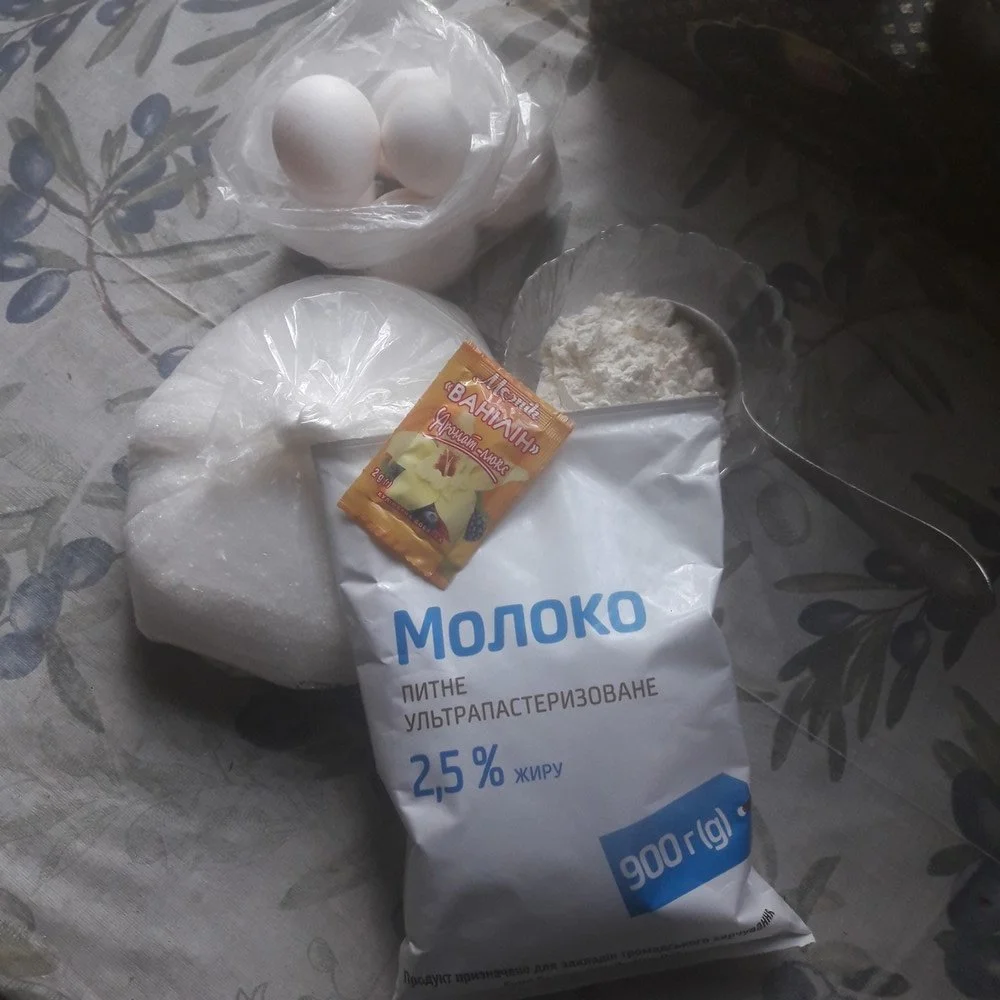
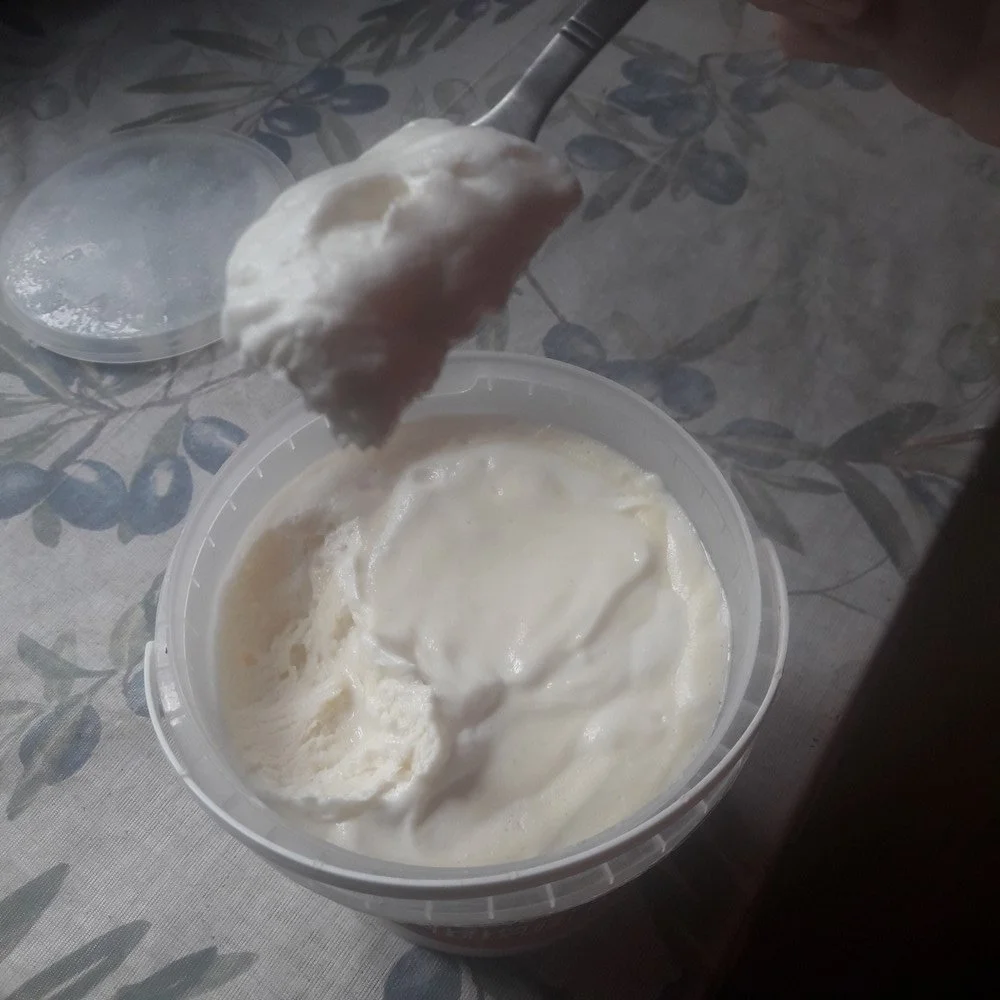
Homemade Ice Cream
Ingredients:
900 g milk - $0.90 (41 hryvnia),
250 g sugar - $0.20 (8.8 hryvnia)
6 chicken eggs - $0.90 (42 hryvnia),
2 g vanilla (1 packet) - $0.10 (4 hryvnia),
60 g flour (3 tablespoons) - $0.05 (2 hryvnia).
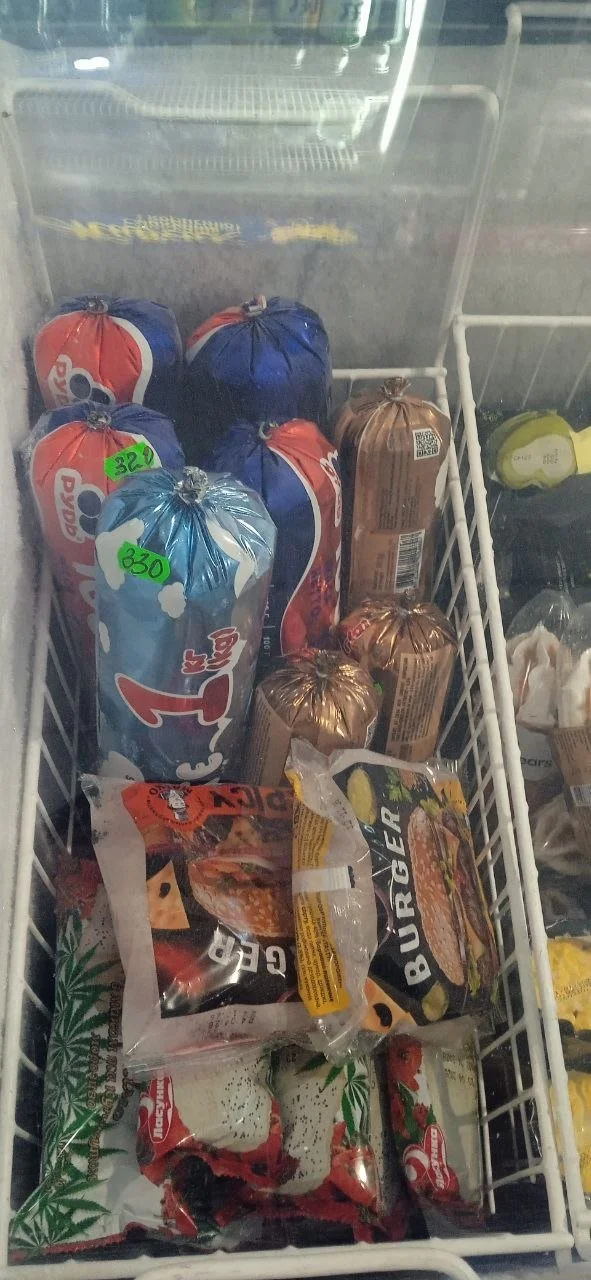
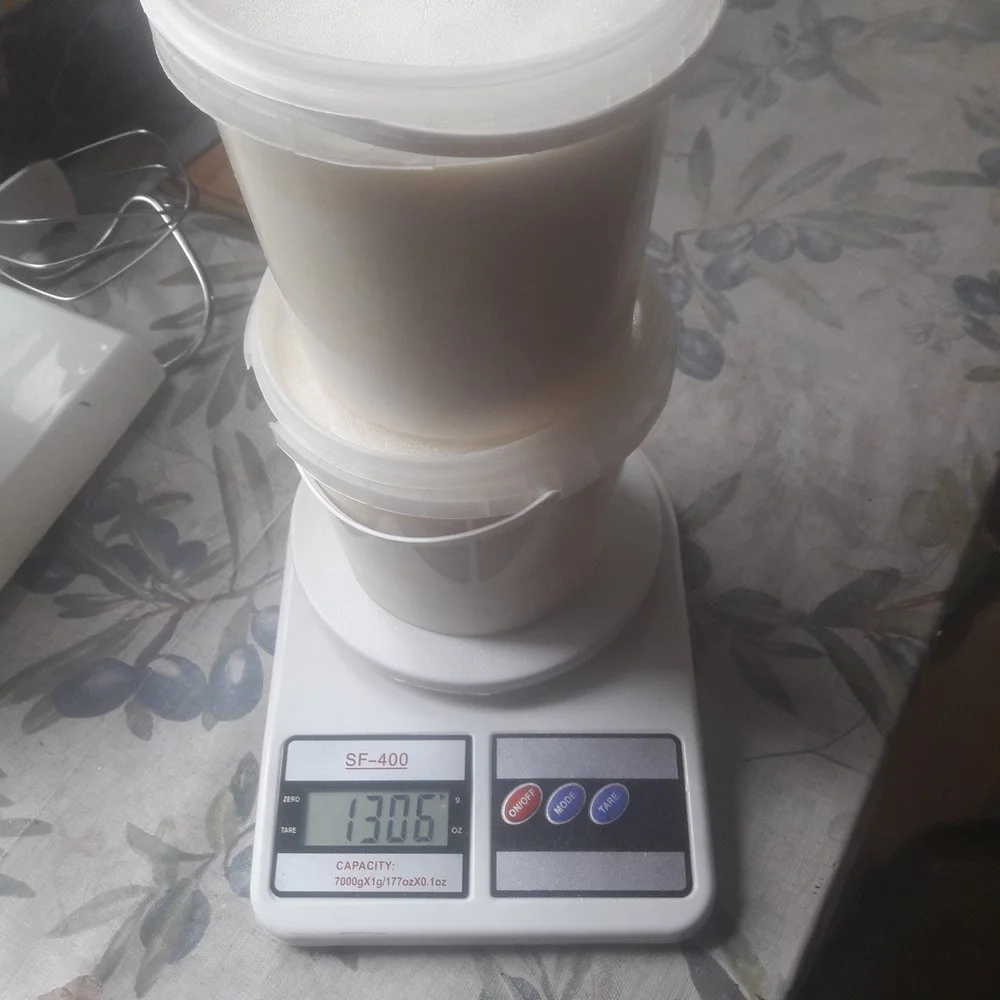
Price: $2.06. The resulting ice cream weighs 2.86 pounds (1.3 kg). At the store, a 2.2-pound batch of ice cream costs about 4 times more, at almost $8 (330 hryvnia).
Instructions:
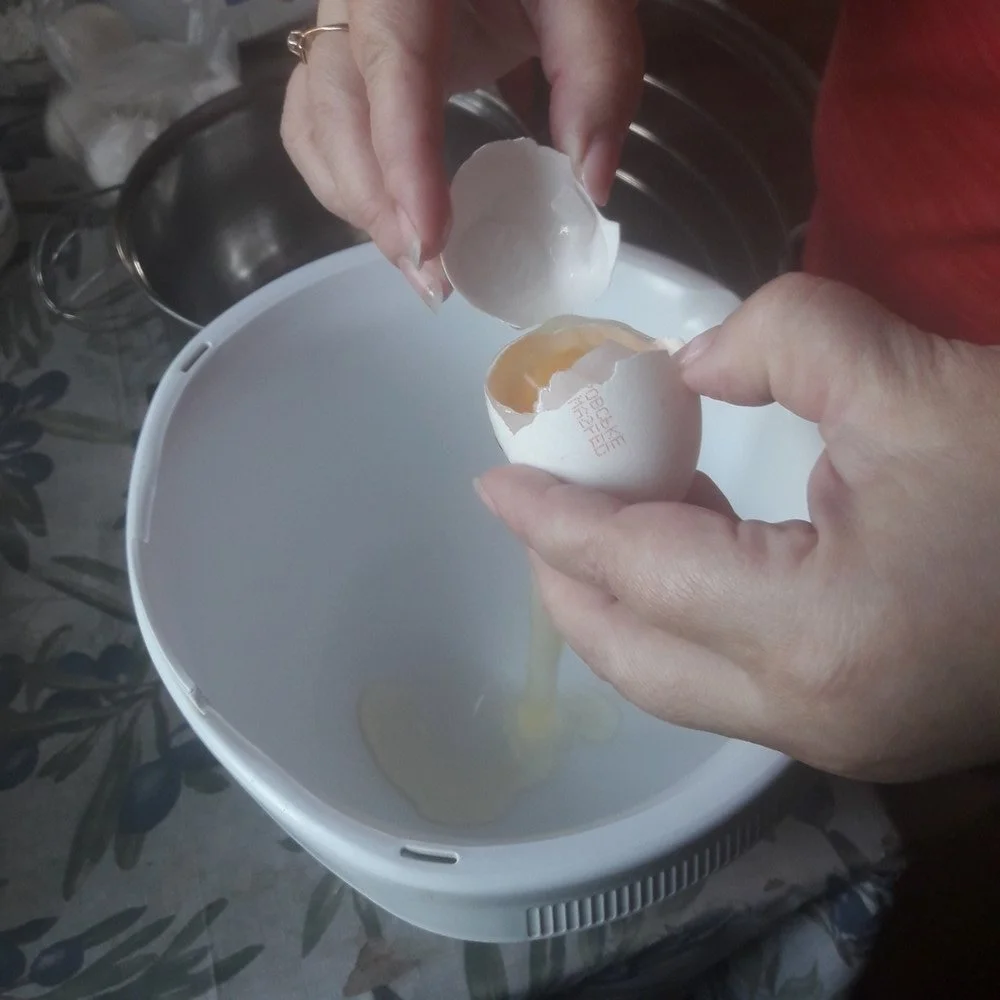
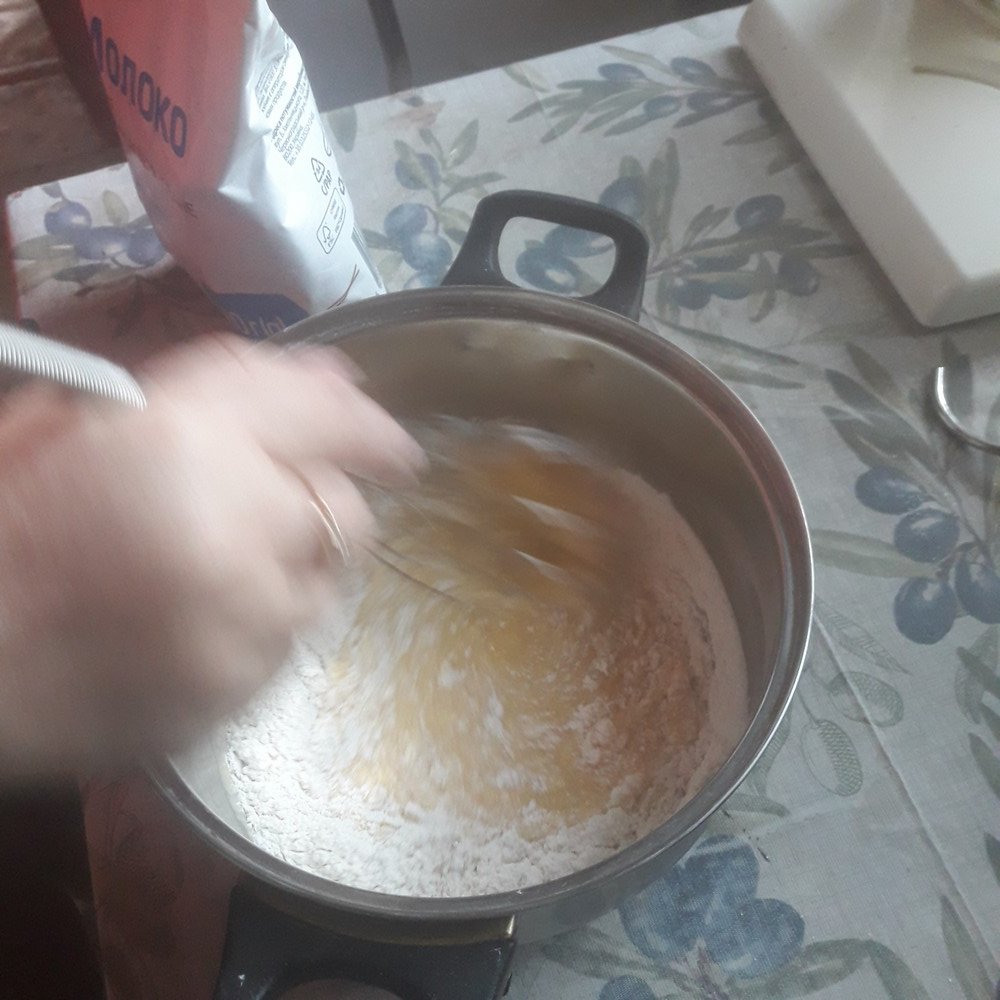
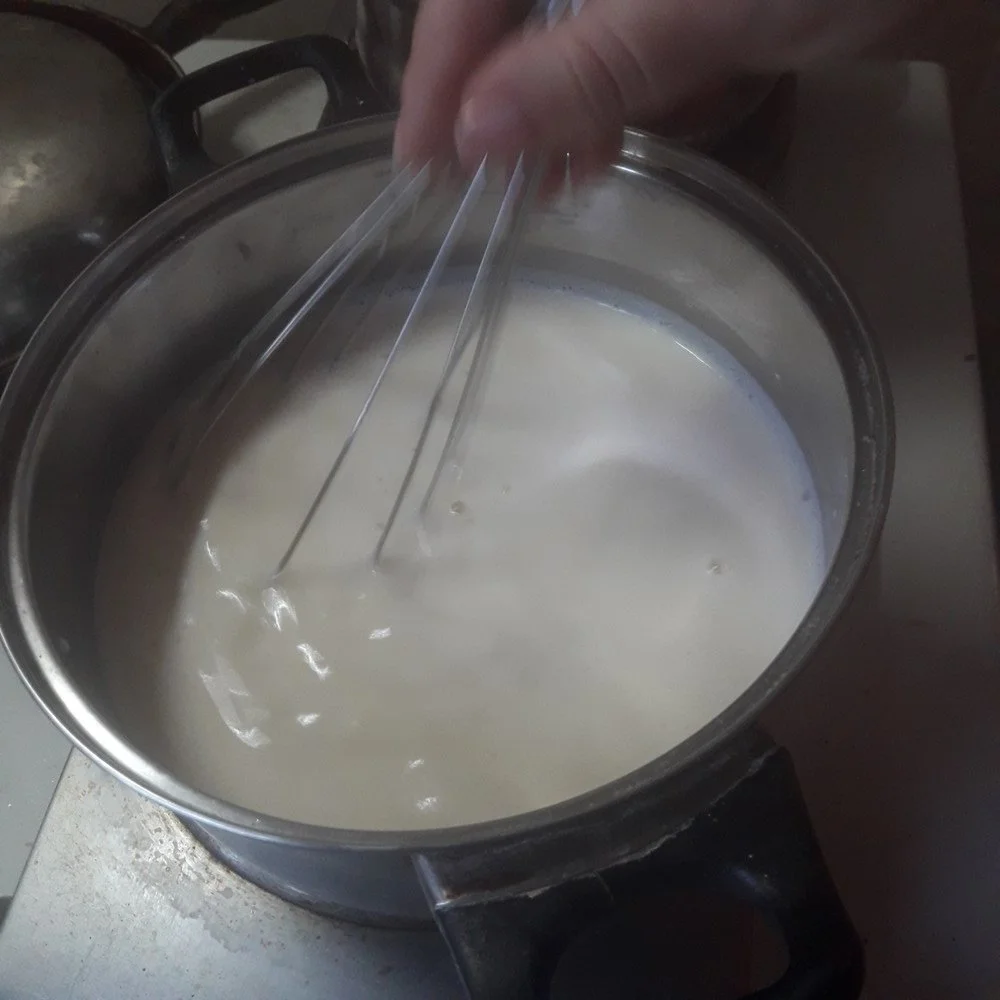
Separate the whites from the yolks. Add the entire amount of flour and milk to the yolks. Also add 60 grams of sugar. Mix with a hand whisk. Cook this mixture on the stove until it thickens.
Remove the mixture from the stove and add vanilla to taste.
Pour this mixture into a large container and cover with cling film so that the film touches the mixture. Leave the mixture to cool to room temperature.
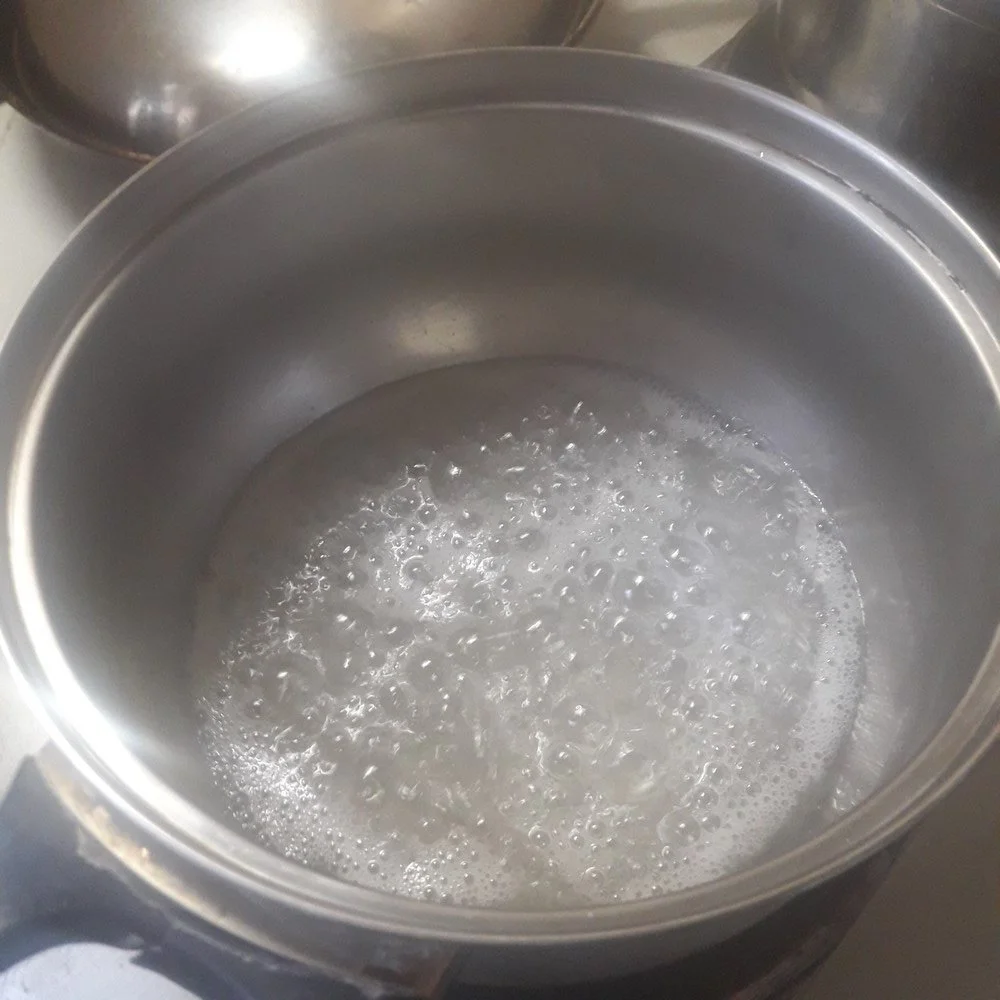
Pour the remaining 190 grams of sugar into a saucepan. Add 100 grams of water (5 tablespoons) and a pinch of citric acid. Place on the stove to boil. Cook until you get a thick syrup.
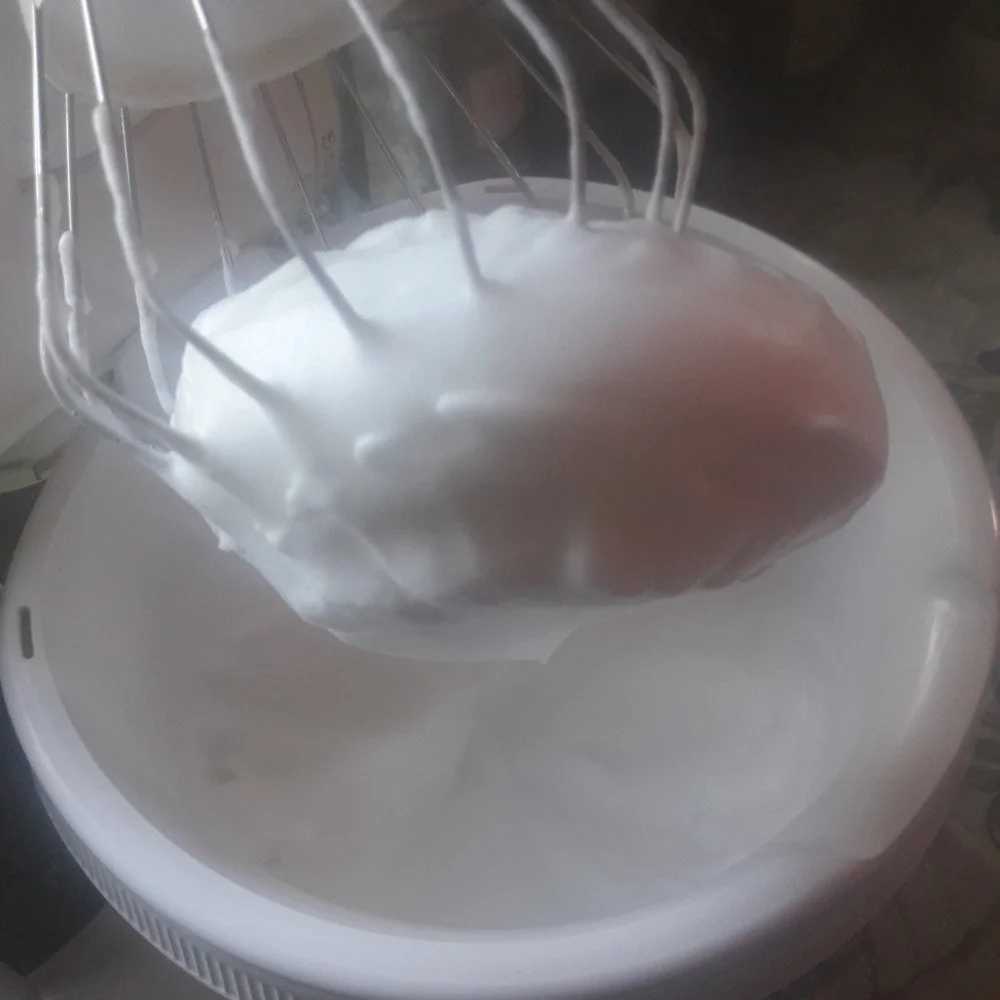
Add a pinch of citric acid to the whites. Beat this mixture in a food processor until stiff peaks form.
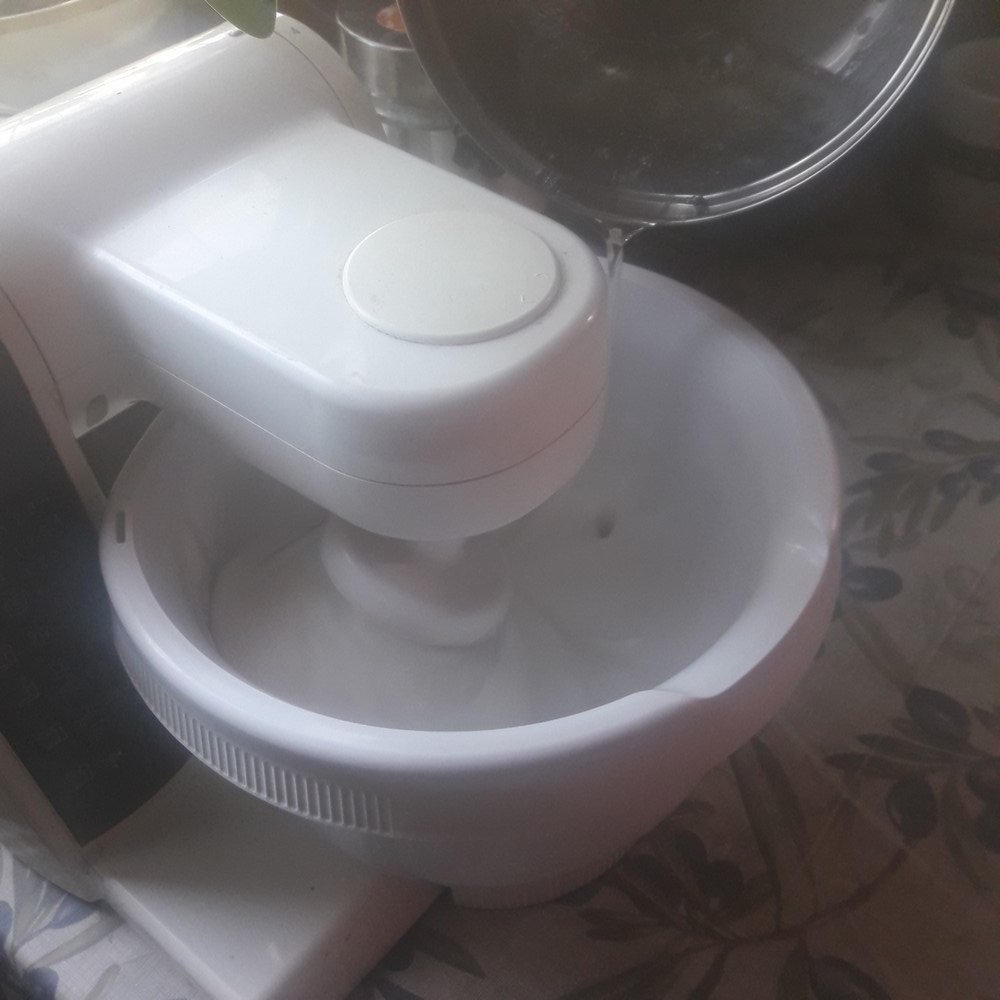
Add boiling sugar syrup to the whipped egg whites.
Beat the resulting mixture for several minutes.
Leave the mixture to cool to room temperature.
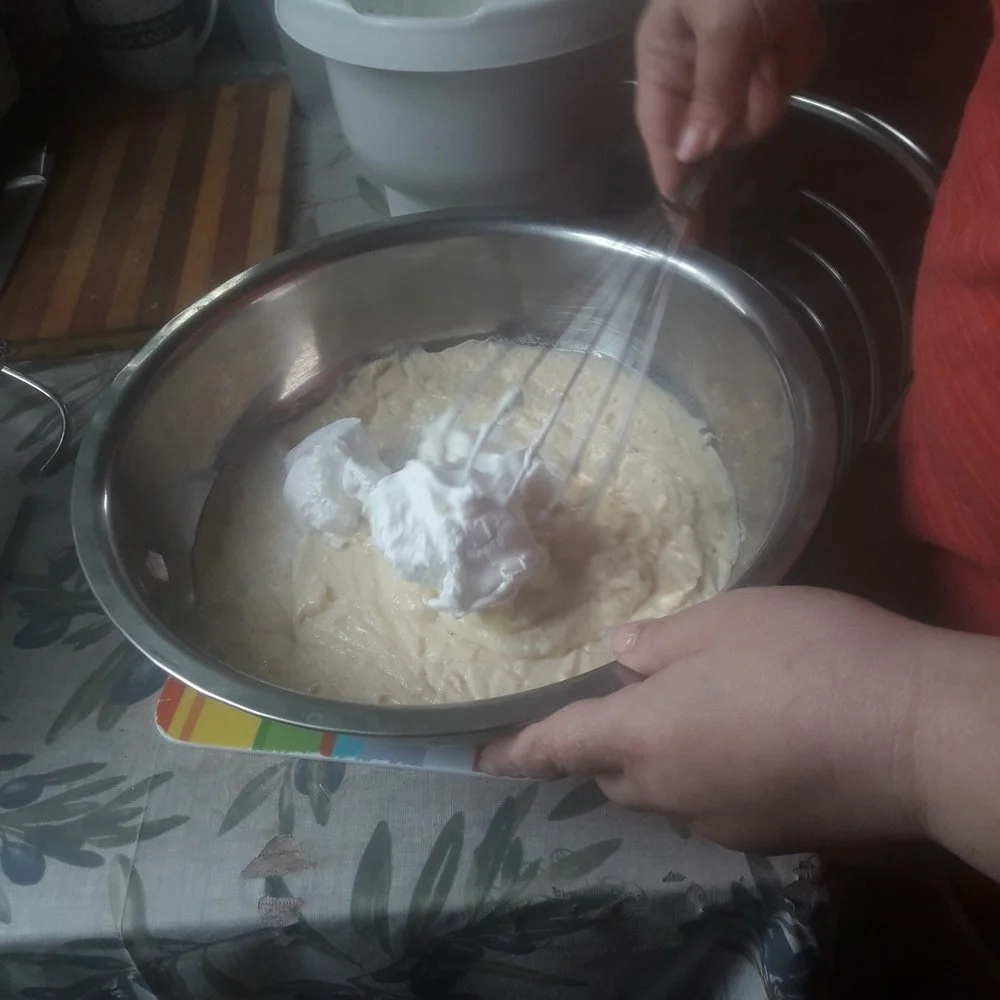
Mix together the mixtures obtained in points 3 and 8.
Pour the ice cream into containers and place in the freezer.
Homemade Bread
Ingredients:
2.2 pounds (1 kg) of flour - $0.5 (25 hryvnia),
5 g of salt – 0,
5 g of sugar – 0,
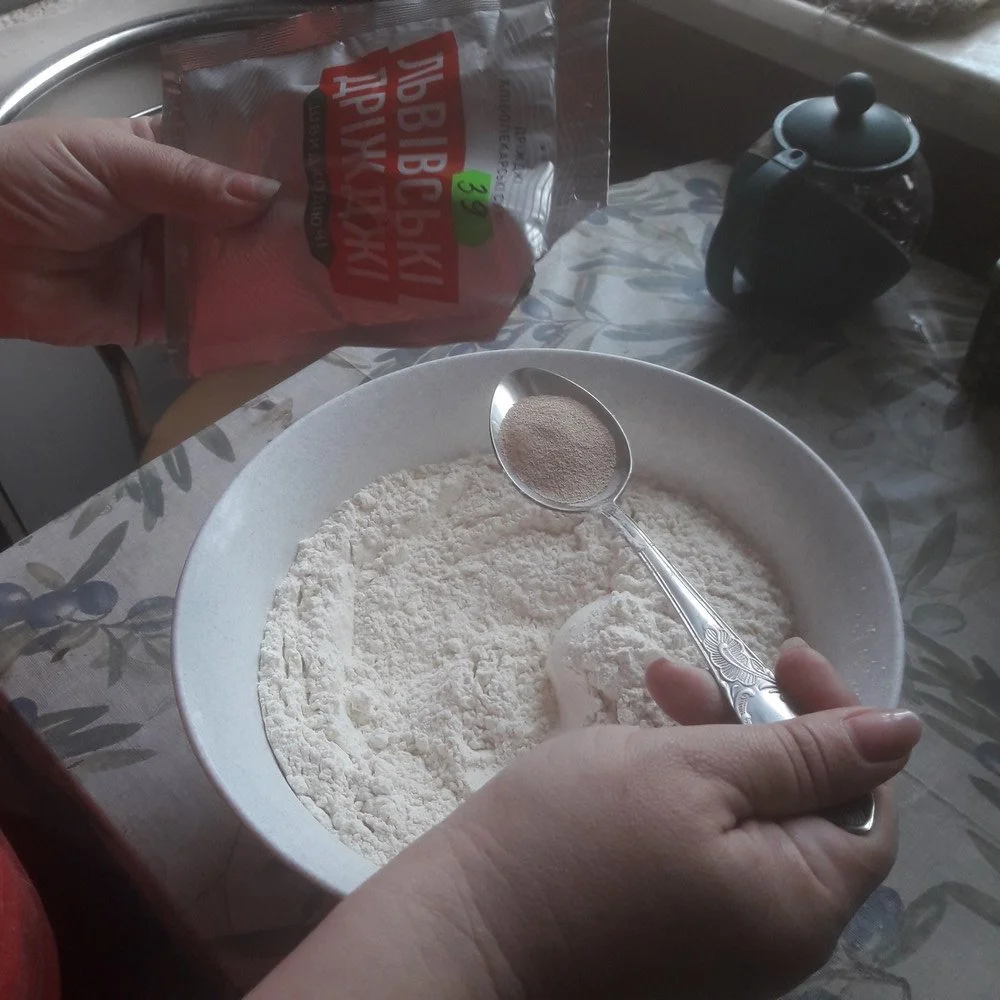
10 g of yeast (less than a tablespoon) – 0,
900 g (0.9 liters) of water. Flour of different qualities requires different amounts of water.
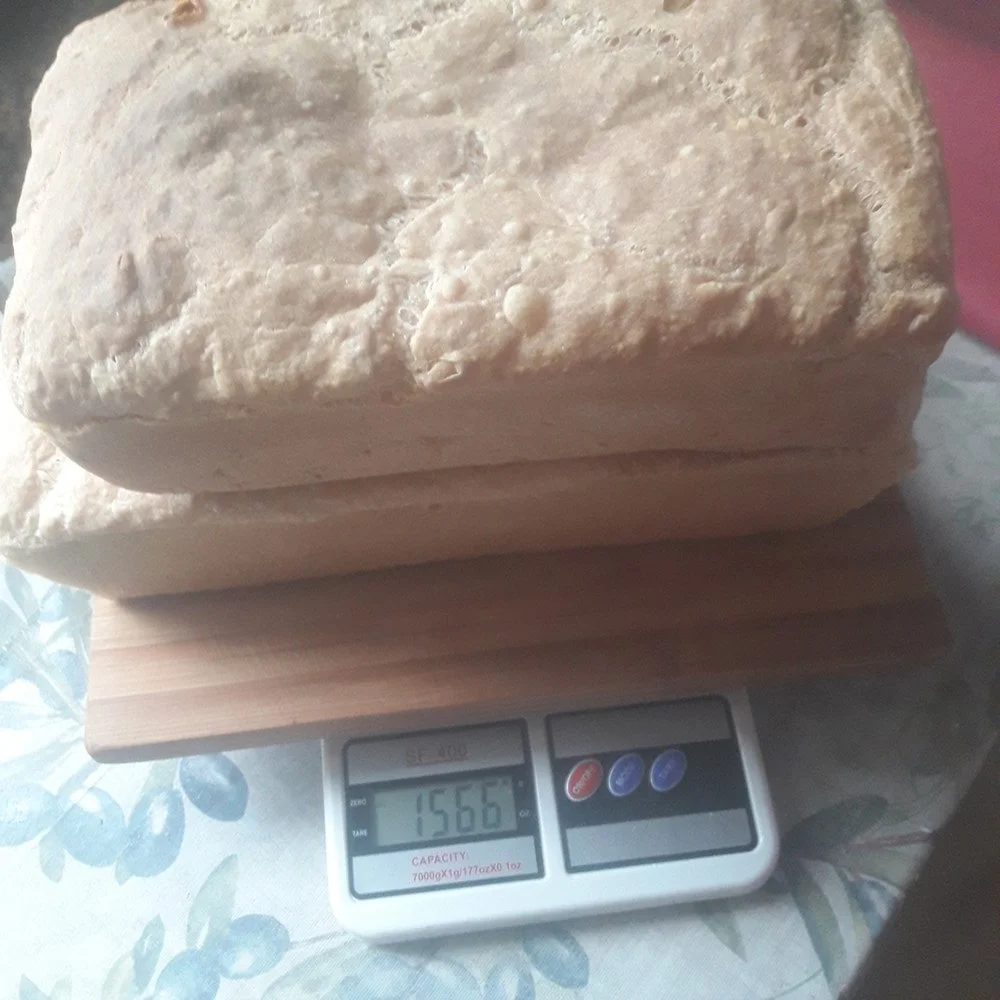
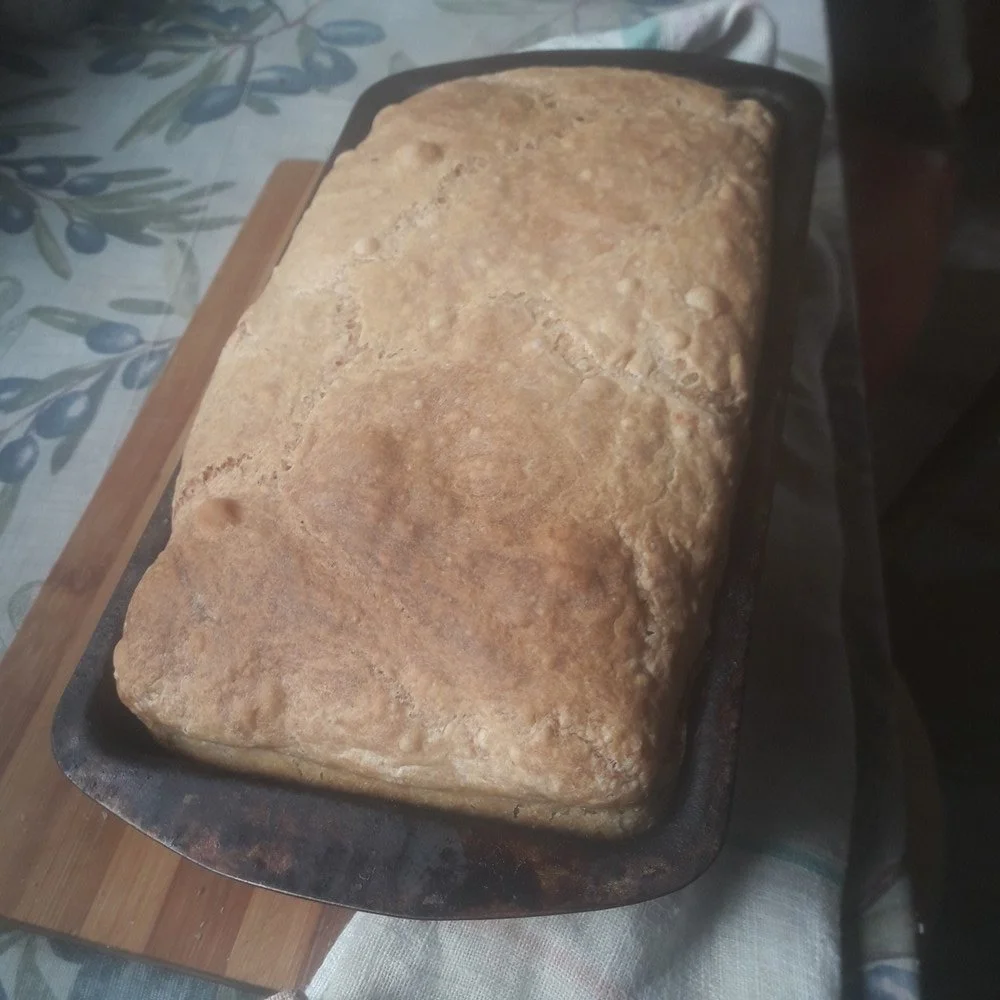
The price is about $0.50. The resulting bread weighs 3.4 pounds (1.56 kg). This is almost two loaves. The price for the same weight of bread (two loaves) in stores starts at $1-2 (44-88 hryvnia) per loaf. Homemade bread is almost three times cheaper and much tastier than store-bought.
Instructions:
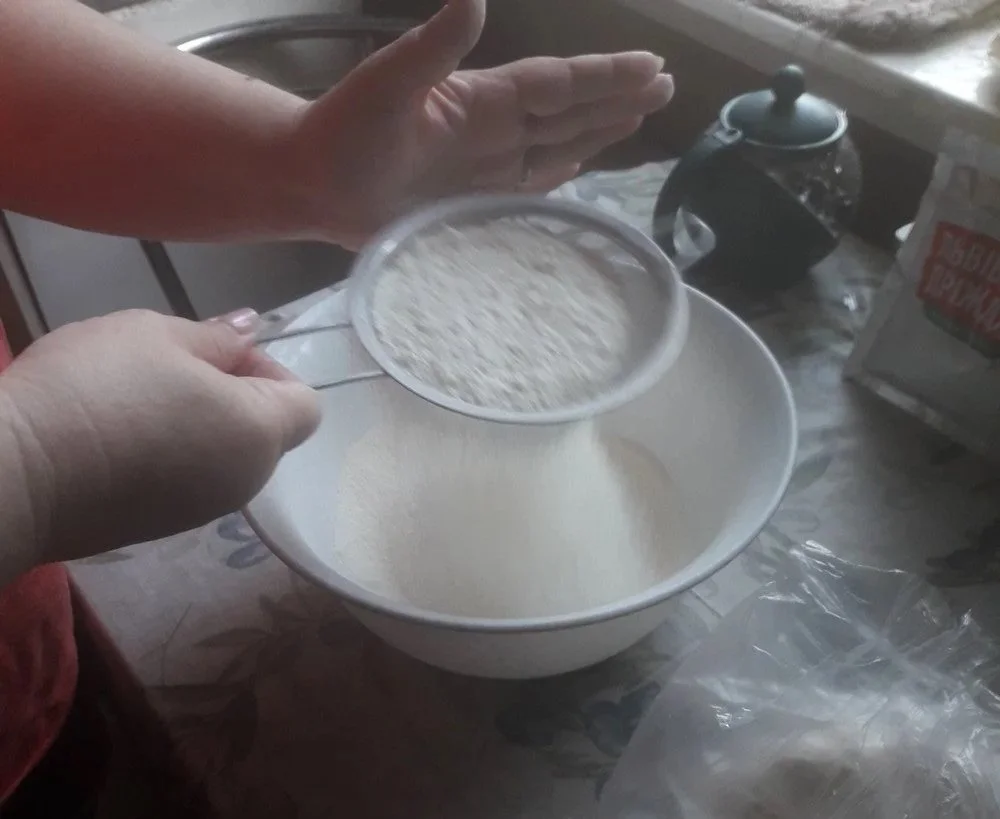
1. Add salt, sugar and yeast to the flour. Stir this mixture.
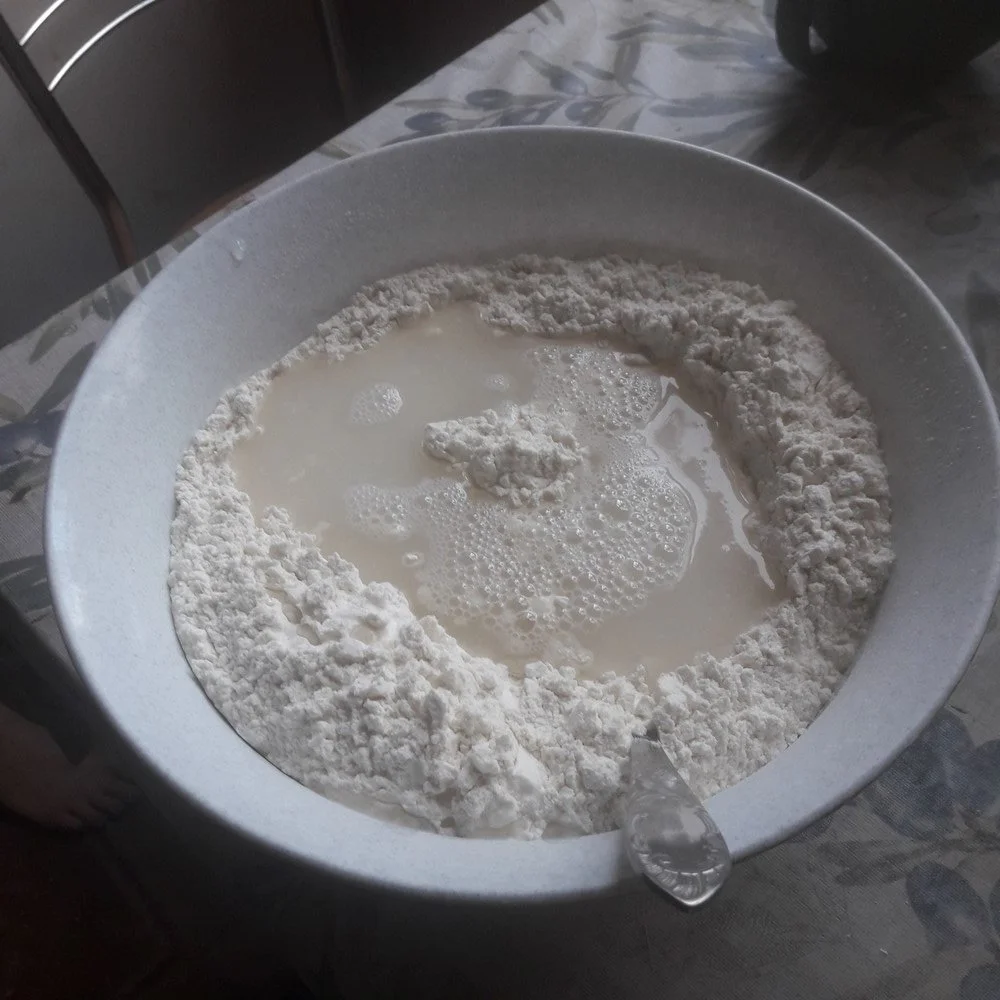
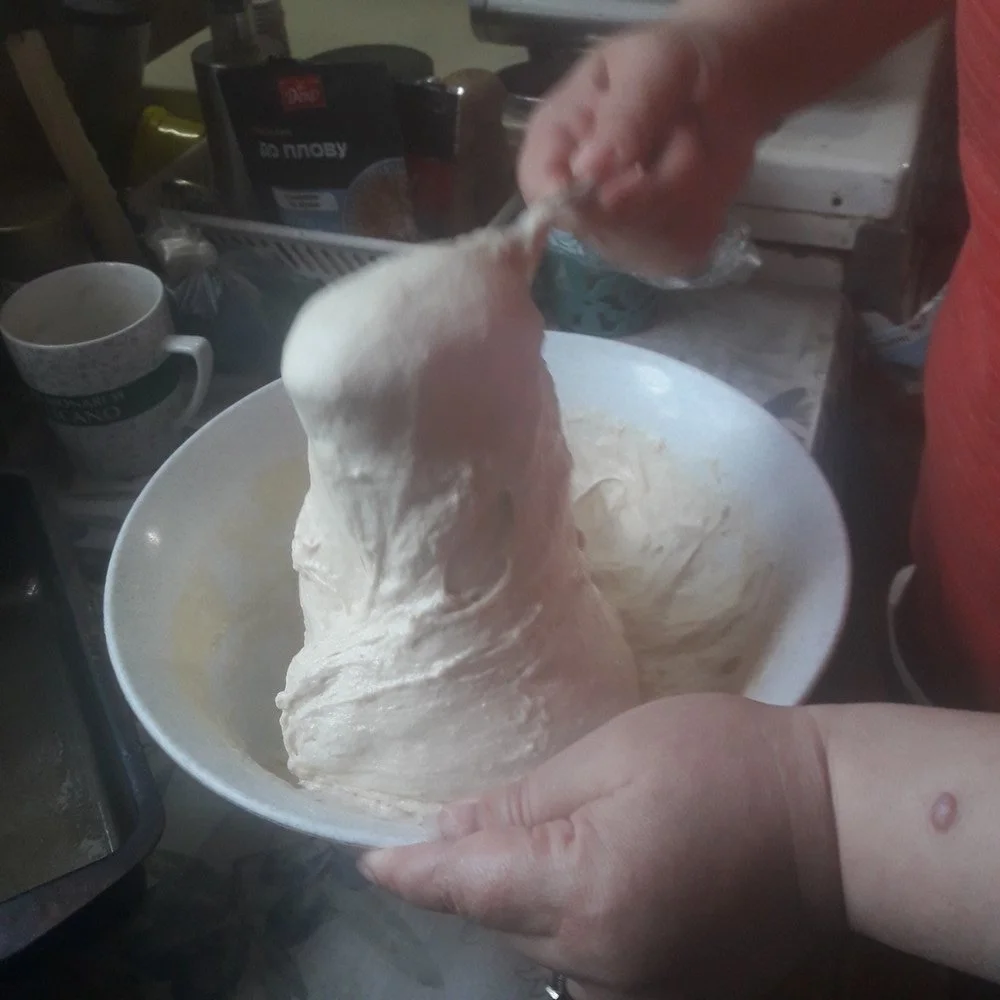
2. Add water. Knead the dough.
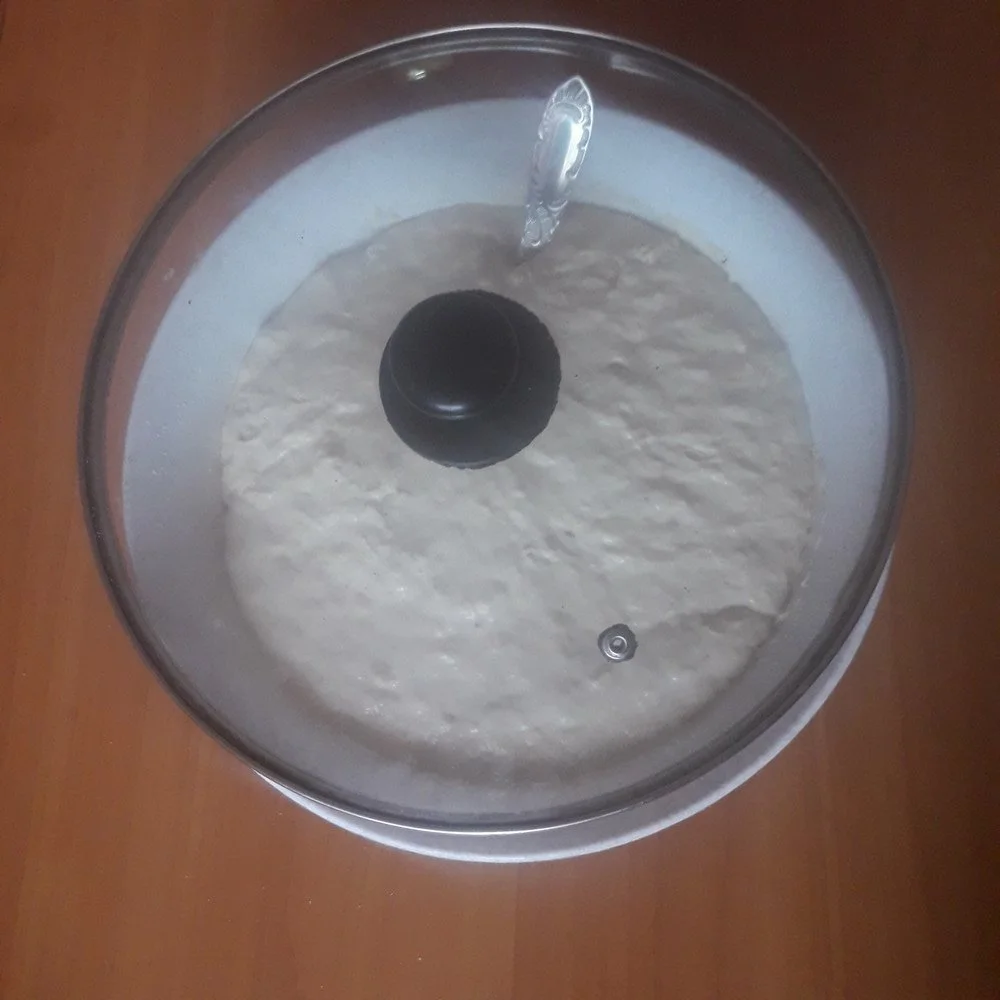
3. Cover the container with a lid and place it in a warm place so that the dough increases in volume.
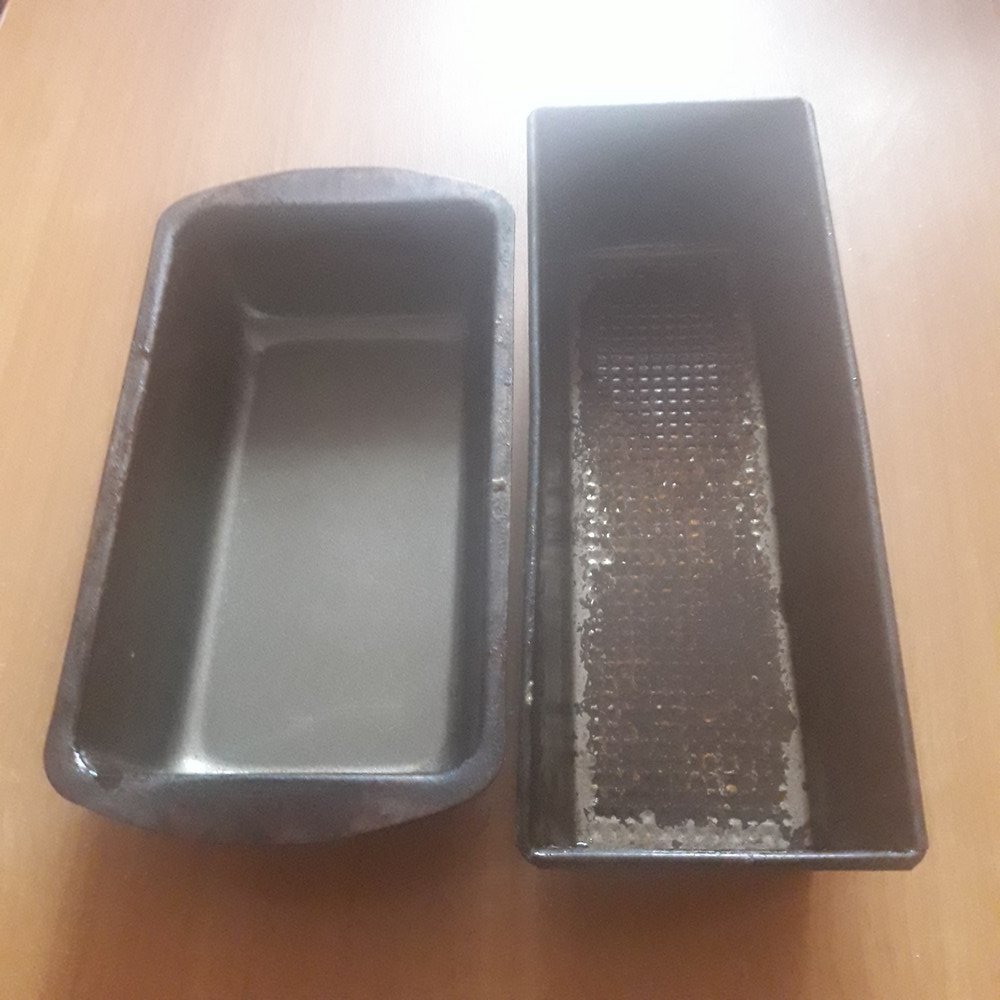
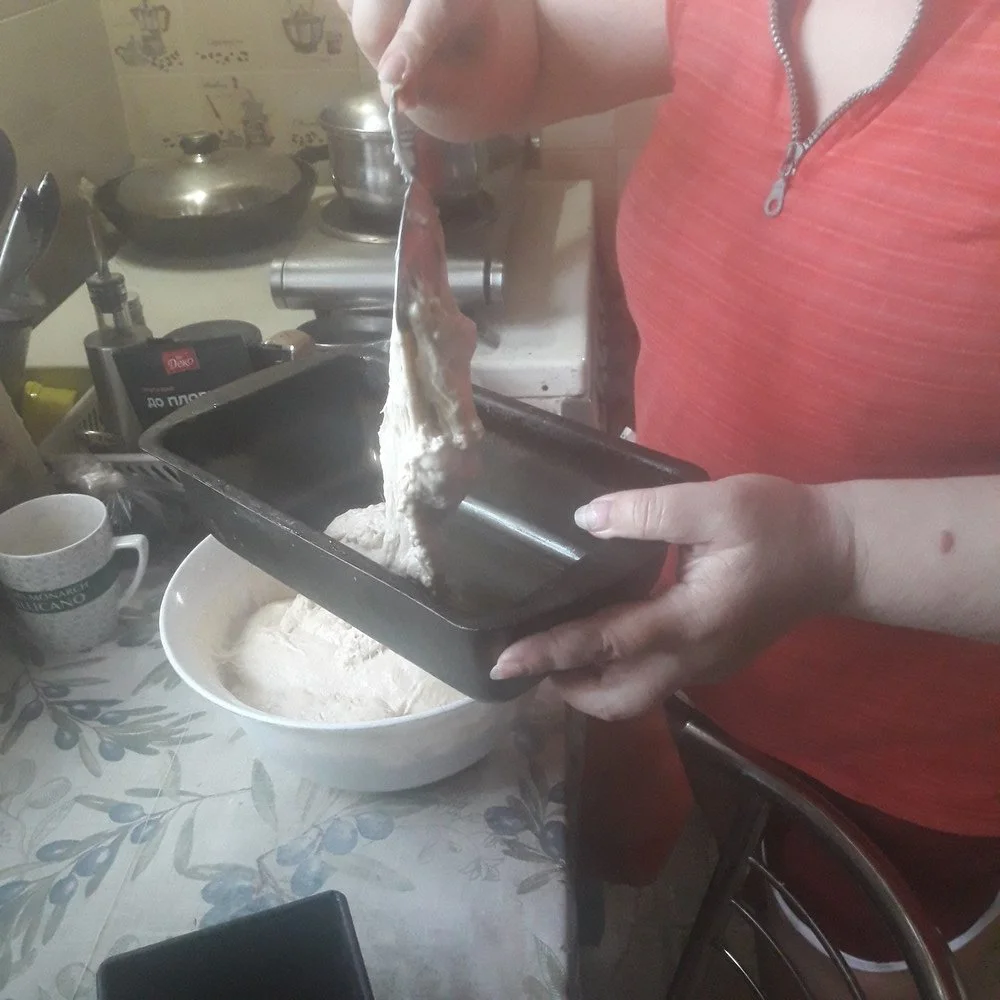
4. Divide the dough into the molds. Grease the molds with butter or shortening beforehand. Do not fill the molds completely with dough.
5. Wait until the dough rises to the edges of the molds.
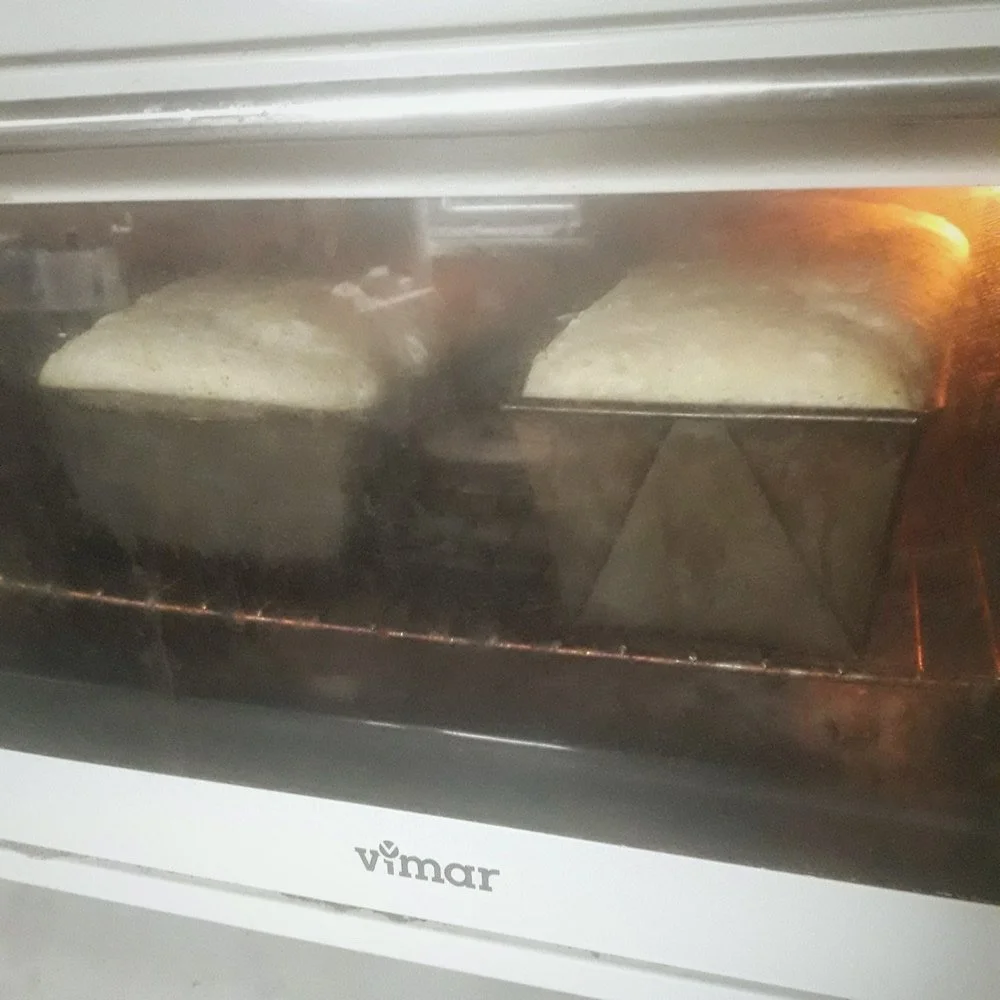
6. Place the dough in an electric oven with top and bottom heating.
7. Bake the dough at 356-392°F (180-200 degrees C) for 40-50 minutes.